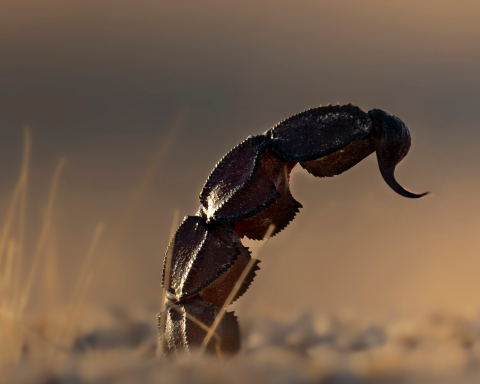


Could an AI model spend almost three days designing proteins to counter scorpion venom, with barely any human input? Anthropic says one did. In a post on its science blog dated October 20, 2026, the company describes how an internal research model, working inside Claude Science, ran a mostly autonomous design campaign for 64 hours.
The output was large. Using 12 design tools, the model produced 318,484 candidate minibinders, small proteins built to latch tightly onto a target, then co-folded and screened 553,052 pairings of design and toxin on computer before settling on a final list of 180. The research team added 31 more. Researchers gave one starting prompt and four follow-ups along the way, and the whole campaign used roughly 10,000 hours of GPU time.
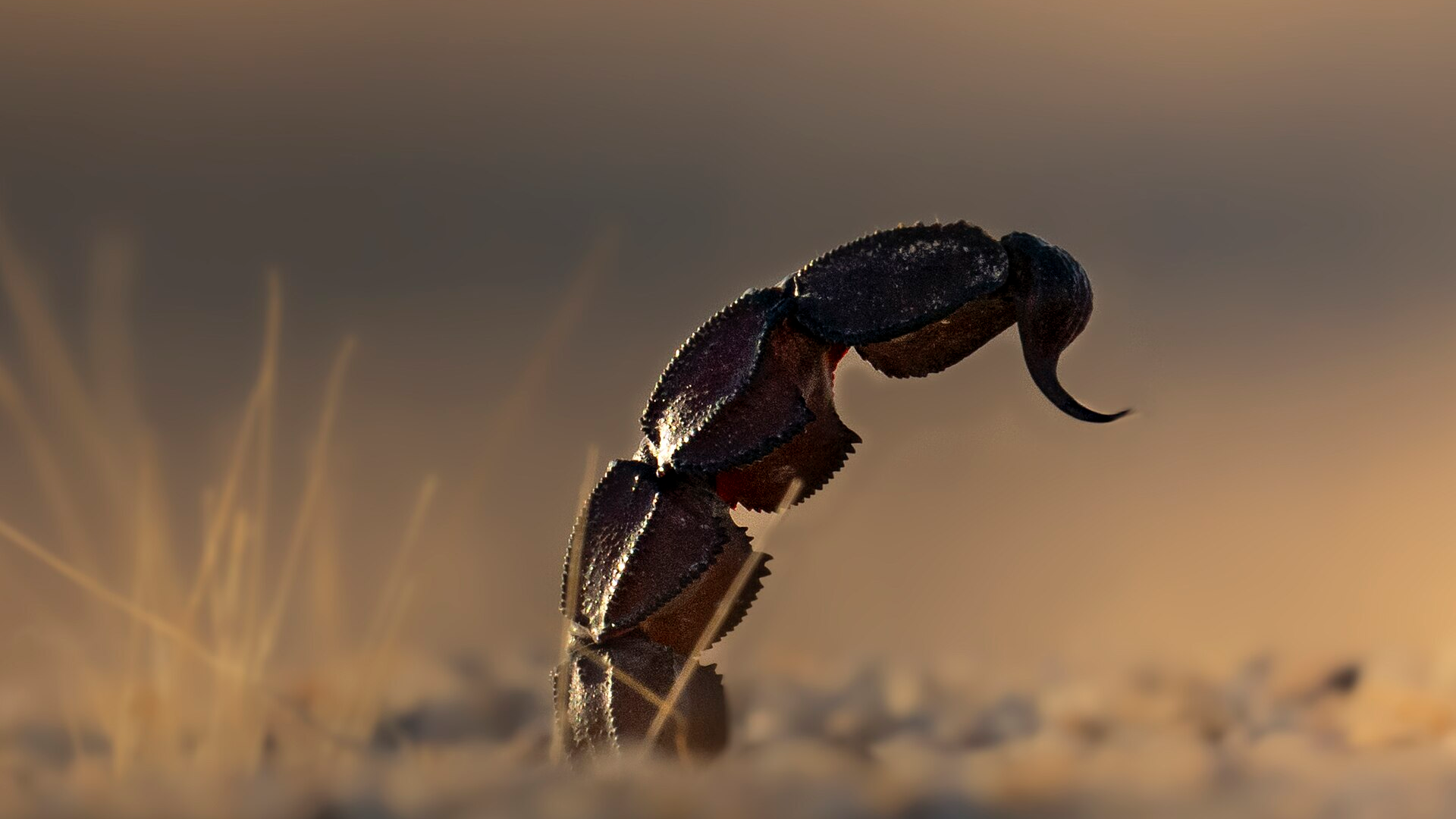
Five scorpion neurotoxins were in the frame, drawn from four parts of the world: Mexico supplied Cn2, Brazil Ts1, North Africa both AaH I and AaH II, and the Middle East LqhIII.
Lab work was handled by Adaptyv Bio and Twist Bioscience, which tested all 211 designs. Seventeen passed the binding criteria: seven against Cn2, four each against AaH I and AaH II, and two against LqhIII. The two strongest, both aimed at Cn2, bound in the single-digit nanomolar range. Designs meant to grab several toxins at once did not succeed against more than one, and no design cleared the bar for Ts1.
Why scorpions? According to Anthropic, at least 1.2 million people are stung each year, and stings cause over 3,250 deaths, mostly among children, while antivenoms are often expensive or hard to obtain.
The company is careful about what the results show. It says plainly that it does not claim to have produced an antivenom: only binding was measured, and none of the designs has been tested for neutralising toxins in cells or protecting animals. All 211 designs, with their predicted structures, scores and lab data, have been released on Hugging Face.