

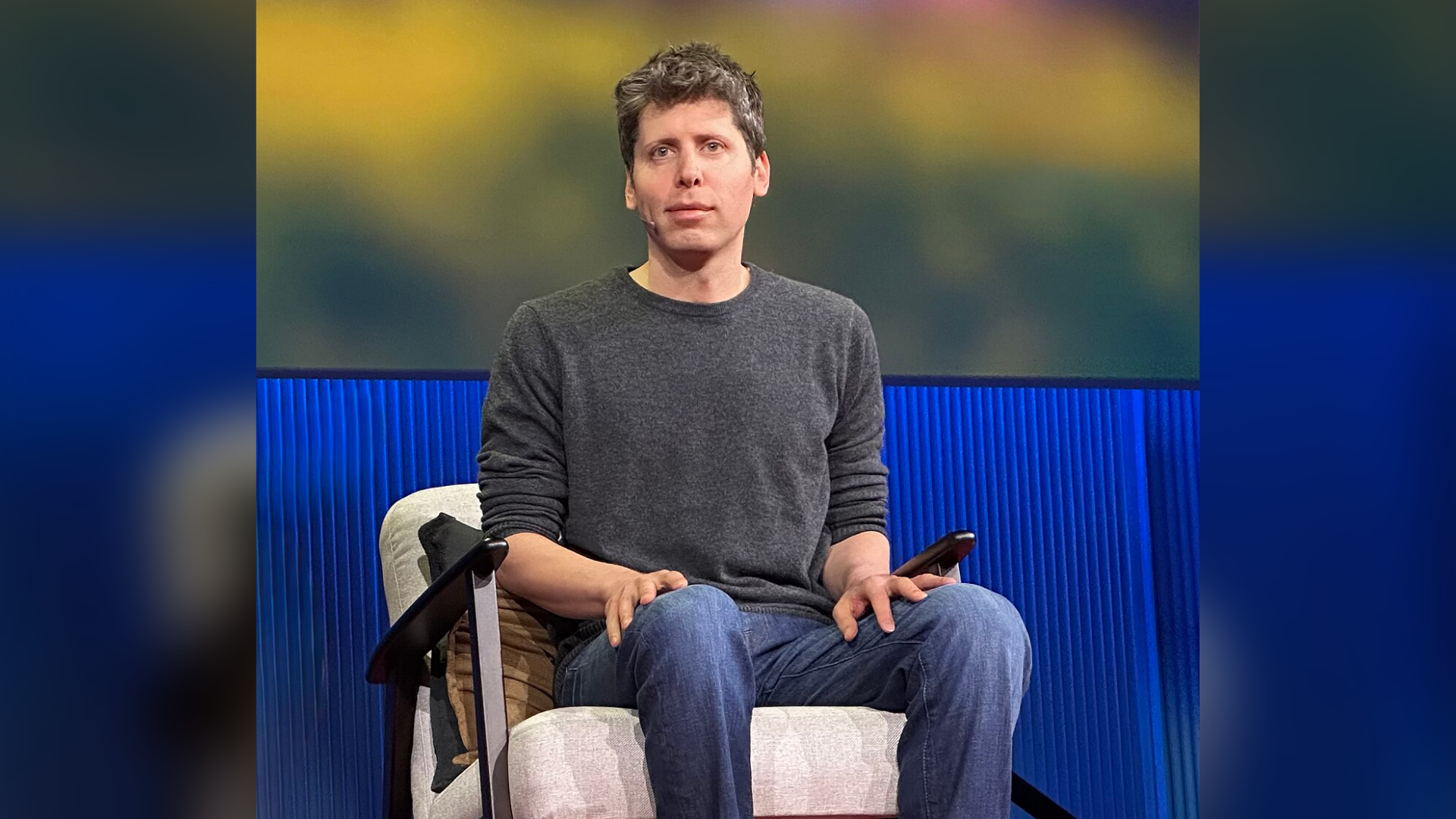
OpenAI chief executive Sam Altman says the company expects to show a working demonstration of its humanoid robot in 2027. He warns, though, that robots of this kind will not be a familiar sight in public for several more years. Altman first made the remarks in two interviews in September. They returned to the spotlight on October 17 as technology outlets looked at how far the company’s robotics plans have come.
Altman set out the timeline in a conversation with Fortune editor-in-chief Alyson Shontell for the Fortune 500 podcast, published on September 15. The host reminded him that he had predicted robots in 2027 in a blog post the year before, and that he had since confirmed OpenAI was building a humanoid, then asked whether that date still stood. “I think we’ll have a cool demo in 2027,” he replied, calling it “a great demo.” He added: “I don’t think there will be robots walking the streets for a few years longer, but we’ll have something impressive.”
Altman confirmed the plan on the Sources podcast, in an episode released on September 1. Asked whether OpenAI would build a humanoid robot, he answered: “We will.” The exact look of the machine, he said, was “less important than really figuring out … the brain that makes the robot work,” placing the company’s focus on the artificial intelligence that controls the body.
OpenAI has not said what the 2027 demonstration will include, what the robot will look like, or when it might go on sale. Its job listings, though, point to a wide hardware effort. Open roles cover motion control, state estimation, actuator control and whole-robot behaviour, along with work on custom motors, transmissions, sensing and thermal systems, and on the manufacturing and supply chain needed to build hardware at scale. One posting names a near-term goal of general-purpose robots that help skilled workers build infrastructure, with a personal robot for a wider range of everyday tasks as the longer-term aim.
The company is not new to the field. Its Dactyl research project trained a robotic hand to handle real objects, with the training carried out entirely in simulation. The same approach was later used to solve a Rubik’s Cube. In mid-October, OpenAI’s careers page listed 27 robotics openings.