

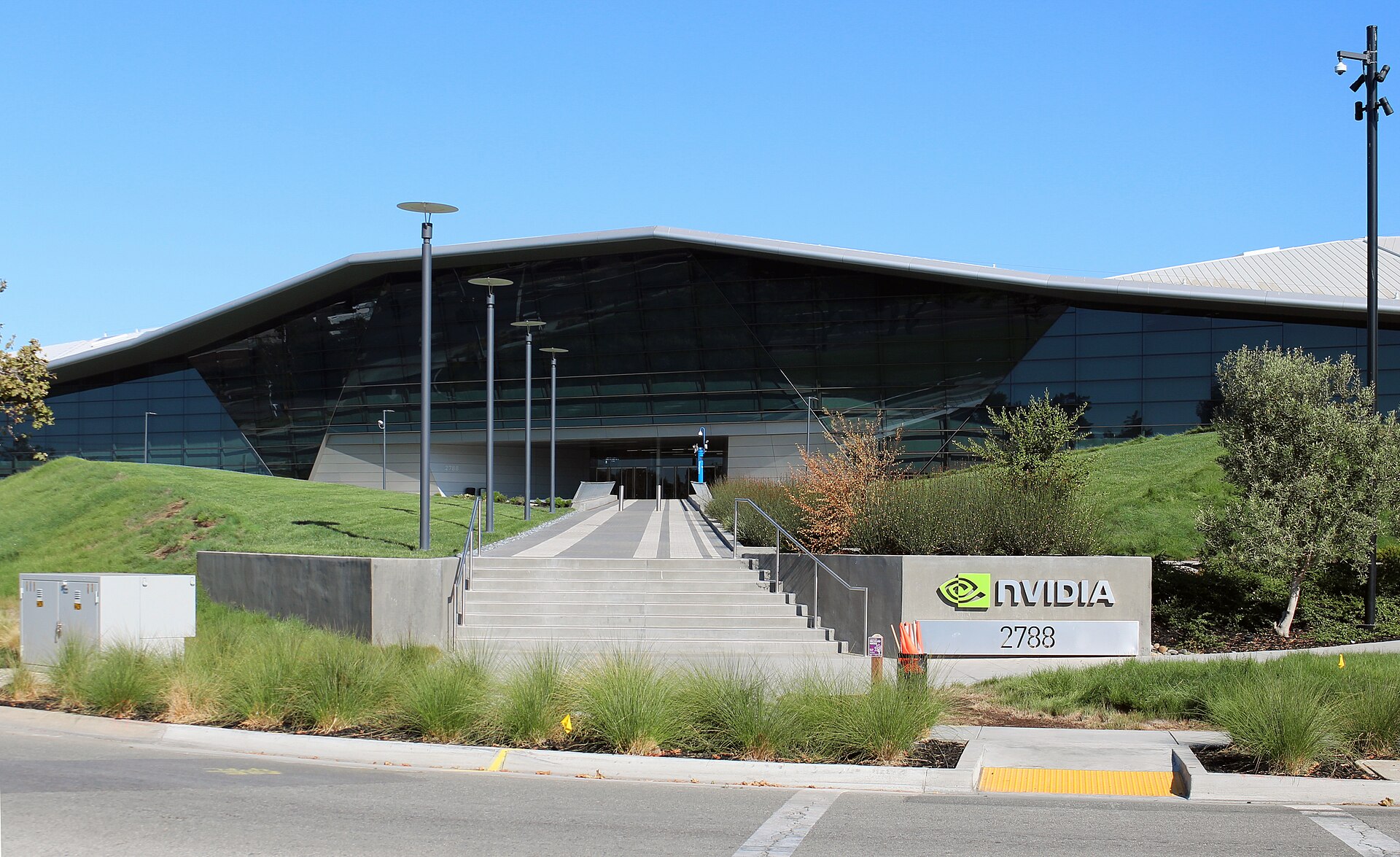
NVIDIA put its first RTX Spark laptops on sale on October 16. The range of slim Windows computers from ASUS, Dell, HP, Lenovo, Microsoft and MSI is designed to run artificial intelligence models and agents on the machine itself instead of relying on the cloud. The company says systems from more manufacturers will follow.
A single NVIDIA superchip powers each laptop, combining a Blackwell RTX graphics processor with a Grace processor and up to 128GB of shared memory, with up to 1 petaflop of AI computing power in the FP4 format. MediaTek worked with NVIDIA on the custom processor design. NVIDIA says the machines can run large language models locally, handle 3D scenes larger than 90GB and play demanding games at 1440p resolution above 100 frames per second.
NVIDIA set the starting price at $2,599, with configurations and prices varying by region.
The first models are the ASUS ProArt P14 and P16, the Dell XPS 16, the HP OmniBook Ultra and OmniBook X 14,
the Lenovo Yoga Pro 9n, the Microsoft Surface Laptop Ultra, and the MSI Prestige N16 and Prestige N16 Flip AI+.
They are sold through the makers’ websites and major retailers.
“RTX Spark brings the power of NVIDIA AI, RTX graphics and CUDA together with Microsoft Windows in one PC for creating, gaming and running personal AI agents,” said Jensen Huang, NVIDIA’s founder and chief executive. The laptops ship with guided installers for AI agents including GitHub Copilot, Hermes, OpenClaw, Perplexity, Pi and WorkBuddy,
so buyers need no command line to get started. Adobe’s Photoshop and Premiere support the platform natively through beta versions available at launch, and support in Substance 3D is due later.
For software developers, NVIDIA and Microsoft have prepared the first PyTorch build with CUDA for Windows on Arm. NVIDIA says the platform supports 97% of the 15,000 most used Python packages.
Games supported at launch include Cyberpunk 2077, Fortnite, Marvel Rivals, World of Warcraft and NBA 2K27, which uses NVIDIA’s DLSS 5 technology.
NVIDIA marked the launch with retail events in six cities: Berlin, Beijing, Istanbul, Seoul, San Francisco and Taipei. Huang appeared in person at the Berlin event.