

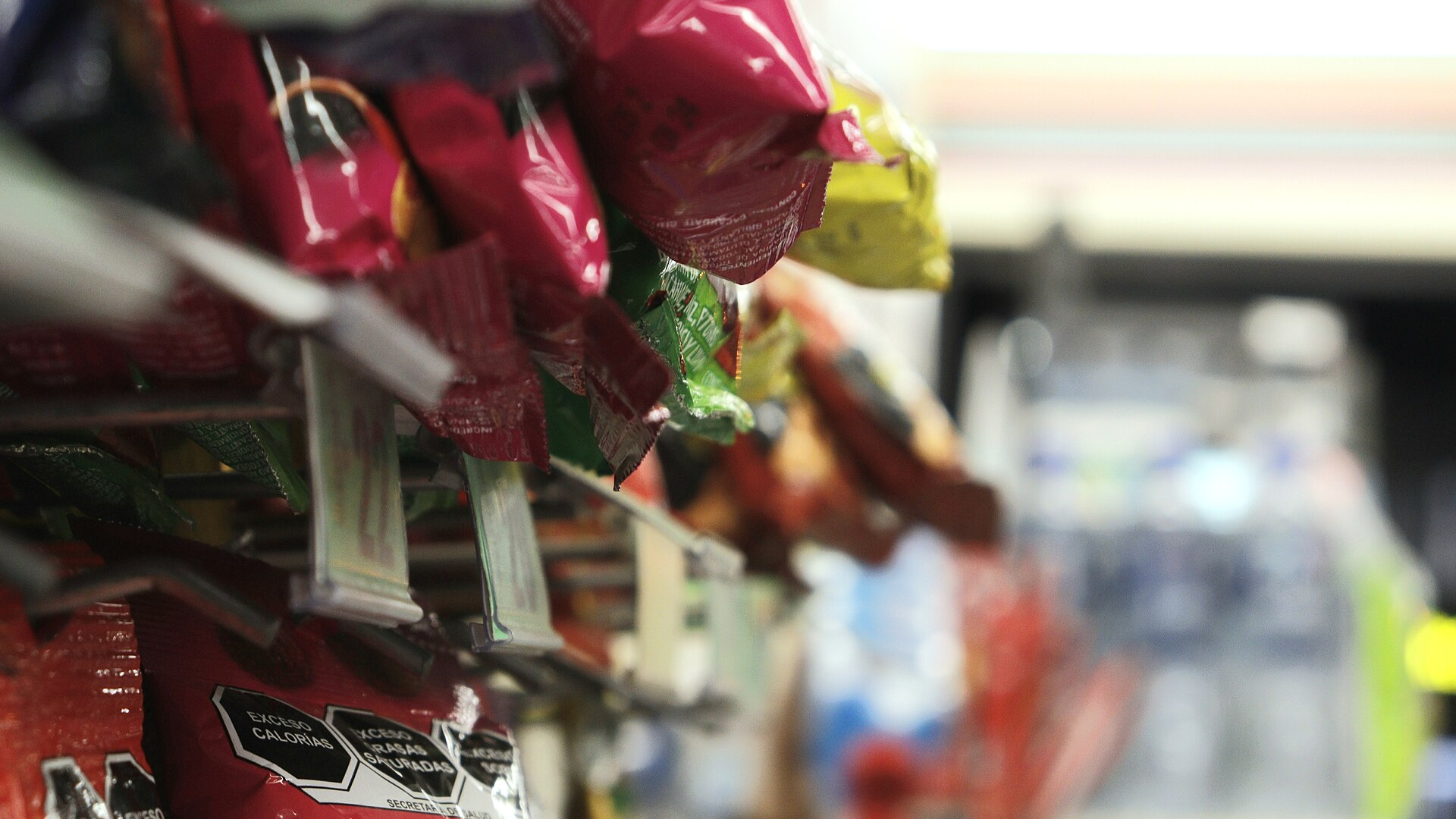
Is a packaged breakfast cereal as risky for the bowel as a hot dog? A US study that followed more than 460,000 people for almost two decades suggests the label "ultra-processed" tells only part of the story: overall intake of these foods was not associated with colorectal cancer.
The work comes from the US National Cancer Institute, with Erikka Loftfield as lead author, and was published in PLOS Medicine on 15 October. The team drew on the NIH-AARP Diet and Health Study, which signed up 461,682 cancer-free adults aged 50 to 71 in 1995 and 1996 and followed them to 2018, a median of 18.8 years. During that time 10,075 colorectal cancers were recorded.
The detail is where it gets interesting. Within the ultra-processed group, whole grains, fibre, dairy and calcium were tied to lower rates of the disease, with bread and breakfast cereals among the examples, while reconstituted and processed meat products were tied to higher rates. Swapping 10% of ultra-processed food by weight for minimally processed food was associated with a 2% lower incidence. Loftfield said these food-group findings are consistent with current dietary guidance for preventing colorectal cancer, which already advises limiting processed meat, a food the World Health Organization classes as carcinogenic.
The authors list clear limits. This was an observational study, so it shows associations rather than cause and effect. Diet was measured once, at the start, and later changes in eating habits were not captured, even as ultra-processed products became more common. Most participants were older white Americans, so the results may not hold for younger or more diverse groups.
The finding also sits uneasily with earlier work: a 2023 analysis pooling seven studies reported a 26% higher risk among the heaviest consumers of ultra-processed food. The new study was funded by the National Cancer Institute's intramural research programme.