


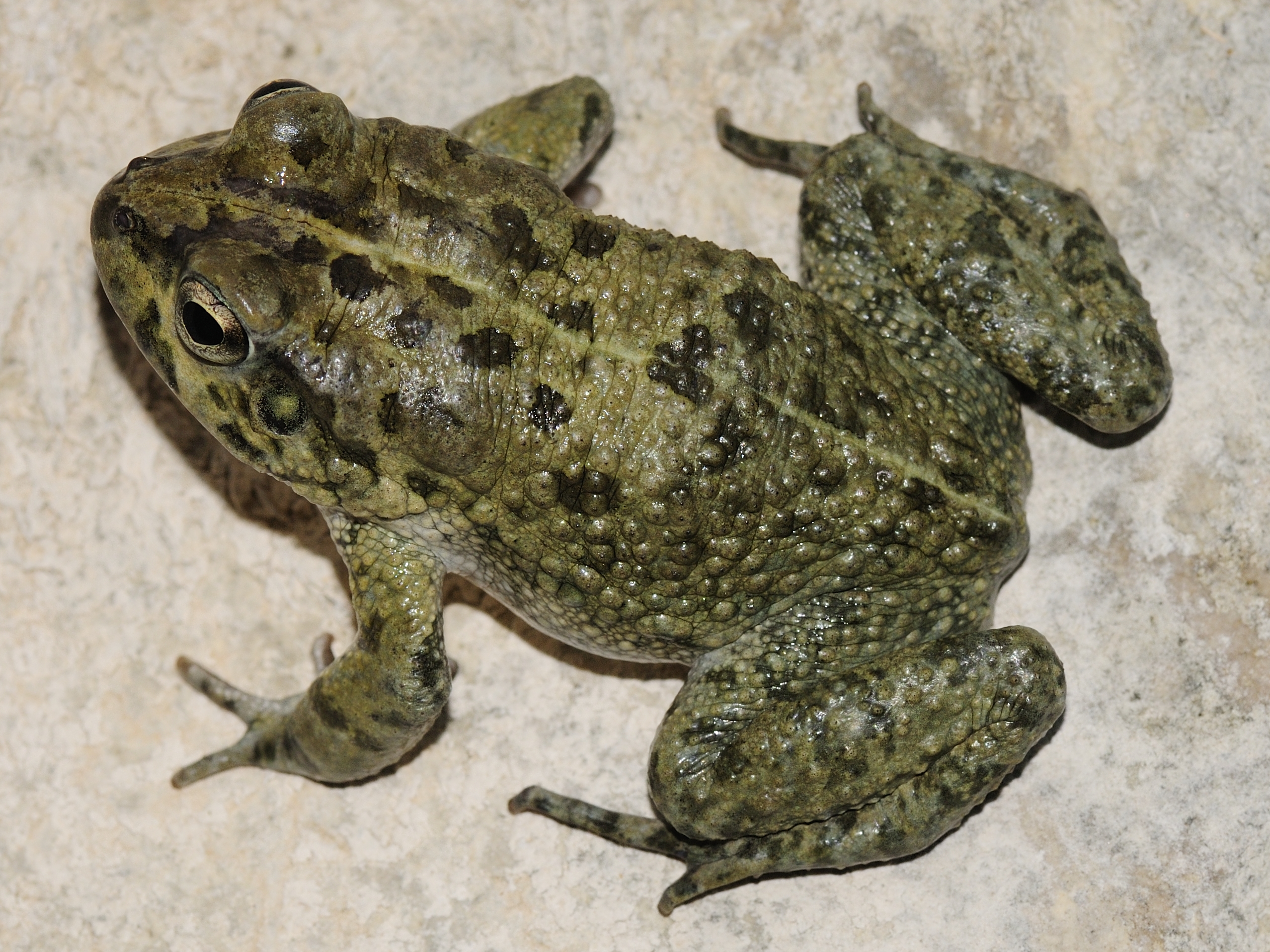
Scientists observe “reverse cannibalism,” with smaller tadpoles attacking a larger and more developmentally advanced individual
The King Salman bin Abdulaziz Royal Reserve Development Authority has recorded a significant scientific observation in the field of biodiversity research after environmental experts documented rare behavior among Arabian toads, described as “reverse cannibalism.”
The observation was made during a field environmental survey within the reserve, where researchers reportedly witnessed small tadpoles at an early stage of development attacking a larger individual that had progressed further through metamorphosis.
The unusual interaction attracted scientific interest because it appears to reverse the pattern commonly associated with cannibalistic behavior among amphibians.
A Rare Observation in the Natural Environment
According to a study published in the scientific journal Herpetology Notes, the observation represents the first documented case of this behavior in a natural environment, according to information released by the reserve authority.
The finding could provide researchers with valuable new insights into feeding dynamics and interactions between individuals of the same amphibian species.
What Is “Reverse Cannibalism”?
Cannibalism refers to an individual consuming or preying upon another member of the same species. Among amphibians, such behavior is commonly associated with larger or more developed individuals preying on smaller ones.
The behavior observed within the reserve, however, reportedly followed the opposite pattern, with smaller tadpoles attacking a larger individual at a more advanced developmental stage.
Researchers have described the phenomenon as “reverse cannibalism,” potentially opening new avenues of research into the environmental and biological conditions that may trigger such unusual behavior.
The Arabian Toad: A Species Native to the Arabian Peninsula
The Arabian toad is native to the Arabian Peninsula and is capable of adapting to mountainous and semi-arid environments where suitable water sources are available.
Although the species has been examined in laboratory studies, observations of its behavior in natural habitats remain comparatively limited, increasing the scientific value of detailed field documentation.
Such observations can help researchers develop a more comprehensive understanding of the species’ feeding behavior, development and interactions within its ecosystem.
Amphibians and Ecosystem Health
Amphibians are an important focus of environmental research because of their sensitivity to changes in water availability, climate and habitat conditions.
They also play important roles within food chains and broader ecosystems, meaning that monitoring their populations, distribution and behavior can provide scientists with useful information about environmental conditions and ecological change.
Research Across a Reserve Spanning More Than 130,000 Square Kilometers
The discovery comes as part of the King Salman bin Abdulaziz Royal Reserve Development Authority’s broader efforts to monitor wildlife and conduct environmental research across the reserve, which covers more than 130,000 square kilometers.
Research and monitoring teams work to document species, study wildlife behavior and track changes across natural ecosystems as part of wider efforts to conserve biodiversity and expand scientific knowledge of Saudi Arabia’s natural environments.
The documentation of this rare behavior highlights the scientific importance of continued field research and demonstrates how detailed observation of wildlife can reveal previously little-known aspects of biodiversity and animal behavior across the Arabian Peninsula.