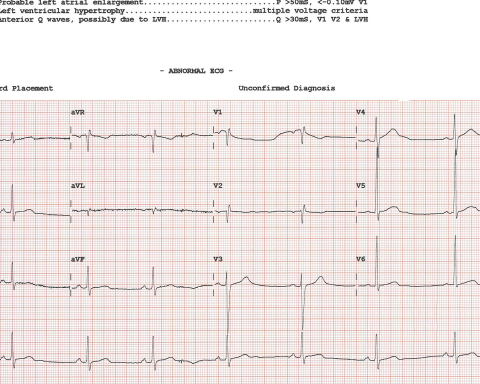


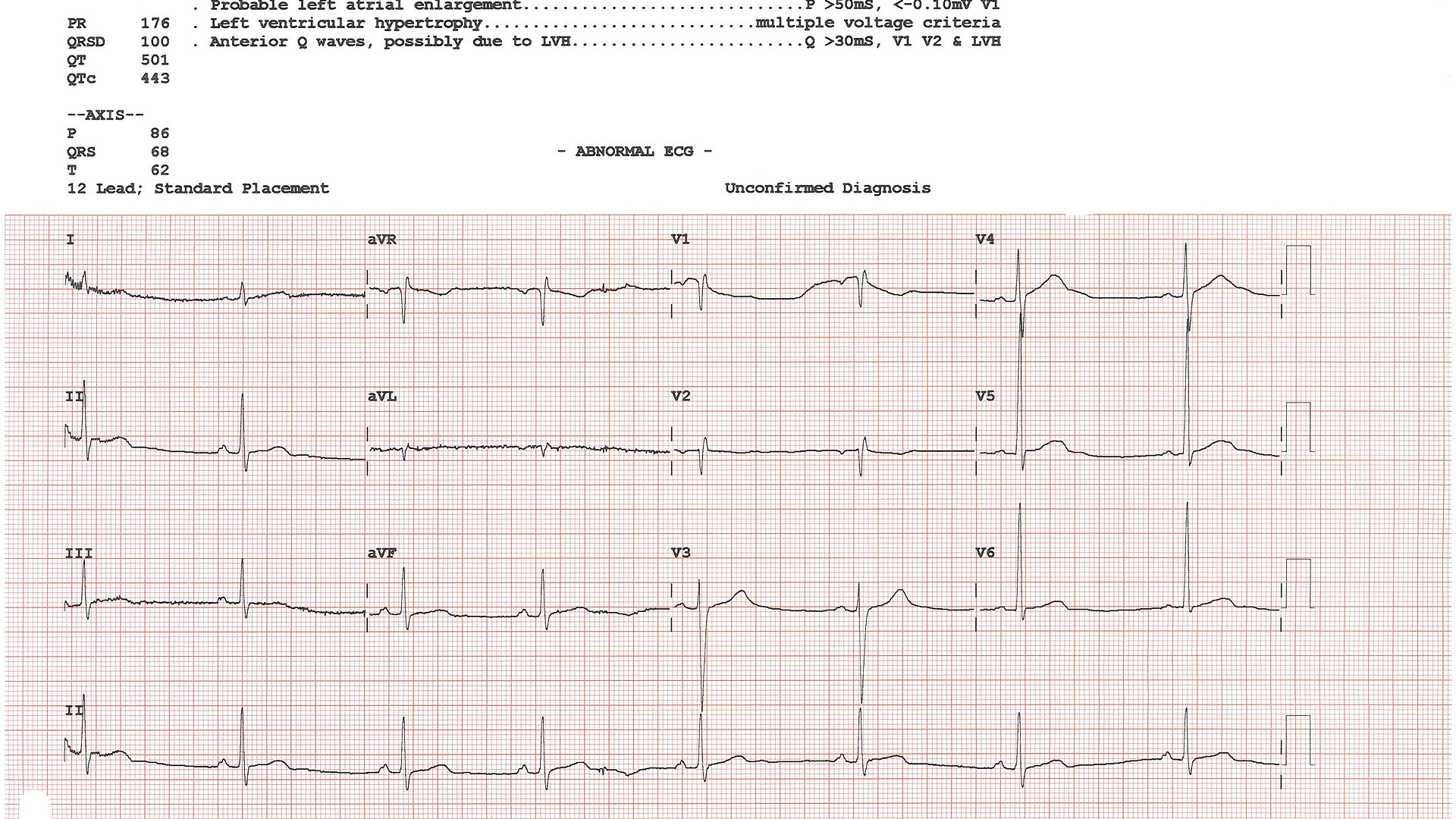
If you have ever had an electrocardiogram, the familiar printout of spikes and waves may contain a warning sign that doctors have not been trained to look for. A team at the University of California, Berkeley, used artificial intelligence to find a waveform pattern on routine ECGs that predicted sudden cardiac death, and say it had not been described in the medical literature before.
The study, led by Ziad Obermeyer, an associate professor at Berkeley's School of Public Health and an emergency physician, was published in Nature in June. SciTechDaily brought it back into the spotlight on 20 October.
The model learned from 441,614 ECGs recorded between 2010 and 2016 in Region Halland, a public health system in southwest Sweden, linked to death certificates so it could estimate the chance of sudden cardiac death within a year of each test. It was then run, without retraining, on separate data from Sharp HealthCare in San Diego and from National Taiwan University Hospital in Taipei.
Why does that matter to patients? Today, the main gatekeeper for an implantable defibrillator is ejection fraction, the share of blood the heart pumps out with each beat, yet many people who die suddenly have normal pumping. In the Swedish test data, the group the model rated highest risk had a 7% yearly rate of sudden cardiac death, against 4.6% for patients flagged by low ejection fraction. More than 86% of the model's high-risk patients would not have been picked up by ejection fraction.
The pattern itself involves a shift in the heart's electrical axis and, in one lead, a slurred ending to the main wave where a sharp downward stroke would normally appear.
For now, the tool is not part of routine care. The work is a retrospective, observational analysis, the biological mechanism behind the pattern is unknown, and the authors call for a randomised trial before it guides decisions on defibrillators. About two-thirds of the devices implanted in patients judged high-risk never deliver a shock.
The next phase, according to Berkeley, is to apply the algorithm to stored hospital ECGs, in partnership with Swedish, Taiwanese and American health systems, and offer flagged patients a continuous heart-monitoring patch. More than 300,000 people die of sudden cardiac arrest in the United States each year.