

The Saudi Times Presents the Global AI tech CEOs to Watch for 2026
By: Boudou Gueffai | Editor-in-Chief

Editorial contribution: Jude Albuthi
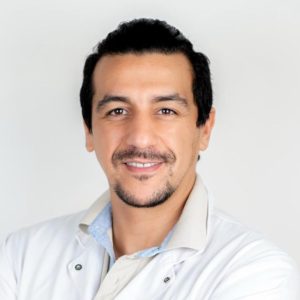
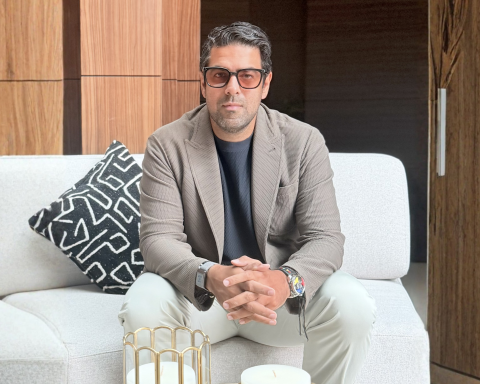
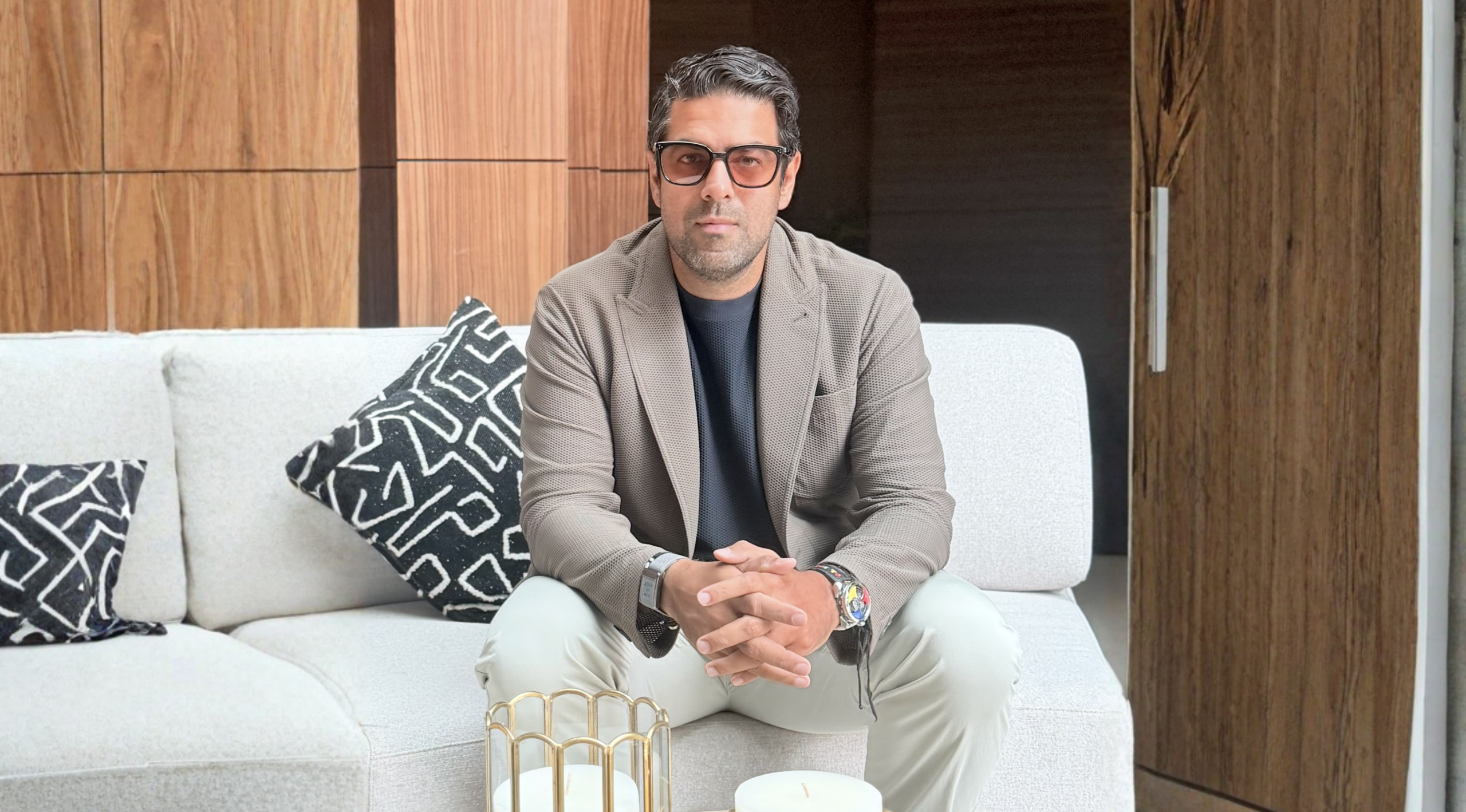
Meet Sachin Dev Duggal, Founder & CEO of SeKondBrain, Duggal is building the concept‑memory layer he believes will define the next decade of AI, and Saudi Arabia is a proving ground for context-aware intelligence. He is a serial entrepreneur, best known as co-founder and former “Chief Wizard” of Builder.ai, an AI-powered software development platform. The Saudi Times sat down with him for an exclusive interview.
He argues the next wave of AI won’t be won by ever‑larger models but by a shared meaning‑and‑memory layer that preserves context, traces decisions and lets knowledge compound. SekondBrain is building a new layer of AI infrastructure: concept‑memory for humans, teams and agents. Its concept graph links information by meaning rather than files or tokens, addressing the problem that today’s tools are fluent but forgetful. Duggal, who previously founded Builder.ai, is now focused on the industry challenge few are tackling: building systems that think in meaning, not just in tokens.
Sachin Dev Duggal doesn’t describe himself as a typical technologist.
“I started at 11, trying to fix my mother’s computer after I’d managed to blow it up.” he says with a laugh.
That early curiosity, mixed with a gift for mathematics and a restless appetite for hard problems, set him on a path from tinkering with DOS and building his first PC to building trading robots as a teenager and later founding companies that rethink how software serves people.
Today Duggal is focused on running his startup, SeKondBrain, that aims to do for organizational knowledge what maps did for exploration: turn scattered, forgetful data into a durable, shared memory. If today’s AI is fluent and forgetful, SeKondBrain’s premise is that the next wave will be won not by ever‑bigger models but by systems that preserve context, trace decisions and let knowledge compound over time.
“I wanted to remove the intimidation layer of technology,” Duggal explained to The Saudi Times. “People get hypnotized by benchmarks and brands. But language models alone don’t ‘know’, they start from zero every morning. Our most valuable asset is knowledge. If you can map how it evolves, you can compound it.”

A Builder’s Instinct
Duggal’s career reads like a sequence of problems‑driven departures. After a formative education in London’s Imperial College, which emphasized systems thinking.
“My high school stats teacher, Professor Reza, taught me calculus by asking me to draw boxes”,
He interned on projects that blended robotics, finance and practical software. He founded Builder.ai to simplify software creation. Now his focus is the second brain: a memory layer that works for humans, teams and autonomous agents.
“Companies have institutional dementia,” he says. “People spend a third of their time looking for things in emails, rebuilding work from scratch. We’re effectively converting scattered information into a digital version of your mind. We build a map of meaning, so we know where things live and how they evolved.”
This is the heart of SeKondBrain’s offering. Instead of indexing files or tokens, Duggal’s team constructs a concept graph that links information by meaning, recognizing how ideas shift over time, connecting context across sources, and surfacing the trace of decision‑making. The result is not only faster answers but auditable decisions and cumulative organizational learning.
Why The Memory Layer Matters
Duggal calls it the Memory Layer Thesis: context preservation is the critical gap the industry is ignoring. Large language models excel at pattern and fluency, but they do not, by default, retain institutional memory.
“Language is a method of transmission,” he says. “Reasoning is the map. If you want 1 + 1 to equal 3, to allow emergent value, you need systems that hold what came before.”
SeKondBrain’s approach is practical: aggregate across all sources, distill into concepts, and maintain the temporal relationships that show how knowledge has evolved. That means richer briefings, traceable recommendations and tools that actually save time rather than generate more noise.
Scaling Lessons and the Love of the Problem
The transition from Builder.ai to SeKondBrain was less about abandoning success and more about falling in love with the next problem.
“You know it’s time to move when you can’t stop thinking about the question,” Duggal says.
Builder made software creation accessible. SeKondBrain aims to make the outcomes, decisions, context, and memory, accessible too. His leadership style reflects that thesis: systems thinking, a focus on long‑term infrastructure, and a discipline that prizes clarity over clever prompts.
“People spend too much time writing the prompt instead of thinking,” he notes.
“Complex ideas require a greater amount of thinking. If you build the bridge, the systems, workflows, memory, the rest follows.”
Saudi Arabia as a Proving Ground
Duggal sees real opportunity in Saudi Arabia’s Vision 2030 push.
“This isn’t a cosmetic transformation,” he says. “It’s a giant rebuild of capability, people, and infrastructure. Saudi Arabia isn’t just investing in AI that can speak Arabic, it needs AI that understands context, culture, and meaning.”
For Duggal, markets that understand their own context deeply will be the ones to export meaningful innovation.
He believes cities like Riyadh and Jeddah can think like the next Silicon Valley if they couple ambition with local grounding.
“Talent is evenly distributed, access to intelligence is not. Build with intent, not imitation. Take your context to the world.”

A Message to Future Builders
Across continents and industries, a single through‑line defines Duggal’s work: making intelligence accessible and useful.
“Education is the modern-day religion,” he says. “We’re entering an age of abundance where access matters more than scarcity. The leaders who matter will not just use AI, they’ll ask better questions, connect different disciplines, and preserve the human fabric around knowledge: values, memory, culture and judgment.”
That human fabric is exactly what SeKondBrain aims to encode. Duggal’s final advice to the next generation of technical leaders is crisp:
“Build with intent. Don’t copy someone else’s valley. Understand your context so deeply you can create something original and take it global.”
Why Watch Him In 2026?
Sachin Dev Duggal isn’t chasing headline models or benchmark numbers; he’s assembling a substrate that could make AI genuinely useful for institutions. SecondBrain’s concept‑memory vision aligns with the needs of governments, sovereign funds, and corporations that want AI to do more than answer queries, they want it to remember, to explain, and to evolve. That’s why Duggal rightly ranks among the global AI CEOs to watch in 2026: he brings a builder’s conscience to machine intelligence, insisting that technology amplify human memory rather than erase it.
Sachin Dev Duggal’s work at SeKondBrain points to a simple but powerful truth: AI’s next frontier is not bigger models but better memory, systems that preserve context, culture and judgment so knowledge can truly compound. His vision demands that technology amplify the human fabric of knowledge, turning abundant information into usable wisdom rather than mere noise.
“My advice to the next generation is to build with intent, not imitation. The world does not need another copy of Silicon Valley, London, or Shenzhen, it needs people who understand their own context deeply enough to build from it and are ambitious enough to take that meaning to the world. AI will make information abundant, but abundance without context can quickly become noise. The real opportunity is to preserve the human fabric around knowledge, the values, memory, culture, judgment, and nuance that make intelligence useful rather than merely impressive. I think we are moving into an age of the polymath again, where technology, philosophy, design, science, and human behaviour can no longer be separated. The leaders who matter will not simply be those who can use AI, but those who can ask better questions, connect different worlds, and build systems that help people, companies, and nations think with more clarity, trust, and purpose.”
– Sachin Dev Duggal
As artificial intelligence enters a pivotal new chapter, leaders like Sachin Dev Duggal are helping shape its future, not only by driving innovation, but by championing a more responsible and human-centered approach to the technology. His vision aligns closely with Saudi Arabia’s ambition to become a global leader in AI and emerging technologies under Vision 2030. Saudi Arabia, with Vision 2030’s investments in capability, people, and infrastructure, is ready to be the global hub for AI developers. With LEAP 2026 set to welcome thousands of entrepreneurs, investors, policymakers, and some of the world’s most influential technology leaders to Riyadh, the Kingdom is once again preparing to host the global tech community in its capital. As the world’s attention increasingly turns to Saudi Arabia, leaders like Duggal will continue to help shape the conversations that define the future of artificial intelligence and the next wave of technological innovation.