

Saudi Arabia’s technology sector has achieved unprecedented growth in 2026, with new startups, landmark international investments, and a wave of innovative projects fundamentally transforming the Kingdom’s digital landscape. The scale of the expansion — spanning cloud computing, artificial intelligence, fintech, cybersecurity, and digital infrastructure — represents the most significant period of technology-sector development in the country’s modern history.
Vision 2030 Driving Digital Transformation
The remarkable expansion of Saudi Arabia’s technology industry reflects the cumulative success of Vision 2030 initiatives specifically designed to diversify the economy, reduce dependence on oil revenues, and establish the Kingdom as a regional and global hub for technology and innovation. Government support has been both financial and structural: regulatory frameworks have been modernised to welcome technology investment, new licensing regimes have lowered barriers to entry for international companies, and substantial public capital has been directed toward digital infrastructure development.
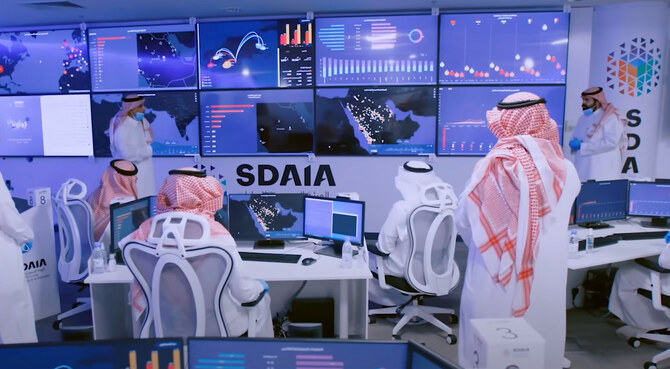
The results are increasingly visible. Cloud computing infrastructure has expanded rapidly, with hyperscaler facilities now serving not only Saudi Arabia but much of the broader Middle East and North Africa region. Data centre investment has accelerated, attracting billions of dollars in capital and creating thousands of high-skilled technical jobs. Smart city initiatives, including those embedded within NEOM and other giga-projects, are deploying technology at a scale that few global cities have attempted.
International Companies Choose Riyadh
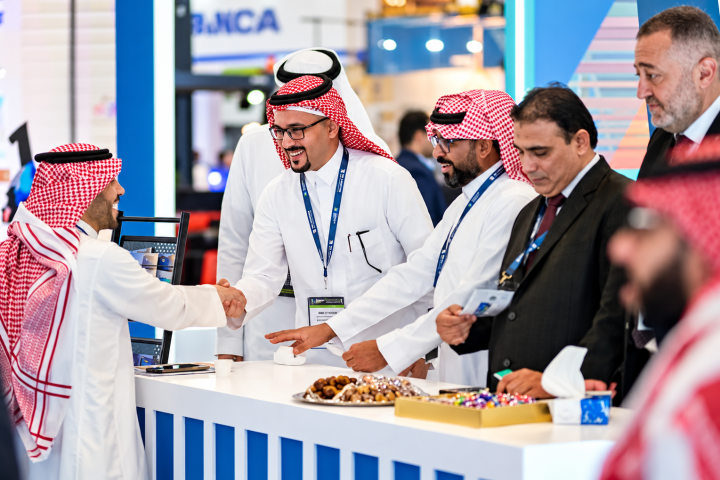
Major international technology companies have established or significantly expanded their regional headquarters in Riyadh and Jeddah, bringing advanced technologies, global best practices, and substantial capital to the Kingdom. Companies spanning cloud services, enterprise software, semiconductor design, and digital platforms have recognised Saudi Arabia not merely as a customer market but as a strategic operational base from which to serve the entire region.
These headquarters bring far more than offices and employees. They create ecosystems — supply chains, partner networks, academic linkages, and innovation programmes — that generate economic activity well beyond the companies themselves. The presence of global technology leaders in Riyadh has also had a signalling effect, encouraging additional international companies to consider the Kingdom for their own regional expansion plans.
Local Startups Reaching New Heights
The domestic startup ecosystem has matured significantly, with several Saudi-founded technology companies achieving major funding milestones and expanding their operations across the wider Middle East. Sectors including e-commerce, health technology, logistics, financial services, and educational technology have produced notable success stories that are attracting international venture capital attention and inspiring a new generation of Saudi entrepreneurs.
Government-backed programmes including those run through the Public Investment Fund, Monsha’at, and various sector-specific accelerators have provided critical early-stage support, mentorship, and capital access that have allowed promising startups to scale more quickly and confidently than would otherwise have been possible. The results are beginning to show in the form of companies that are competing — and winning — against regional and international competitors.
Building the Human Capital Pipeline
Sustaining this growth trajectory requires a continuous pipeline of qualified technology professionals, and Saudi Arabia has invested heavily in ensuring that supply keeps pace with demand. Universities and technical institutes across the Kingdom have expanded their technology, engineering, and data science programmes, often in partnership with leading global institutions. Boot camps, online learning platforms, and corporate training programmes have broadened access to technology skills beyond traditional university pathways.
The result is a growing cohort of Saudi professionals equipped to work across the full spectrum of technology roles — from software development and cybersecurity to data science, product management, and technology entrepreneurship. This human capital investment is arguably the most important long-term driver of the sector’s sustained competitiveness.
A Confident Outlook
With world-class infrastructure being built, international companies committed to the market, a maturing startup ecosystem, and a strengthening talent pipeline, Saudi Arabia’s technology sector enters the second half of 2026 with strong momentum and well-grounded optimism. The Kingdom’s trajectory as a regional technology leader looks increasingly assured — a transformation that will have lasting implications for its economic future and its role in the global digital economy.