

By Izabella Rekiel
In northern Saudi Arabia, far from the developing skyline of Riyadh and the sprawling coastline of Jeddah, lies a region shaped by wind, time, and resilience. Dubbed the land of generosity, Ha’il is also a treasure trove of heritage. Its landscapes, its history, and cultural identity remains deeply rooted yet increasingly more open to the world.
As Saudi Arabia continues its transformation into a global tourism destination, much of the attention has focused on high-profile locations such as Alula and the Red Sea. Yet beyond these headline sites, Ha’il is emerging as a compelling alternative.
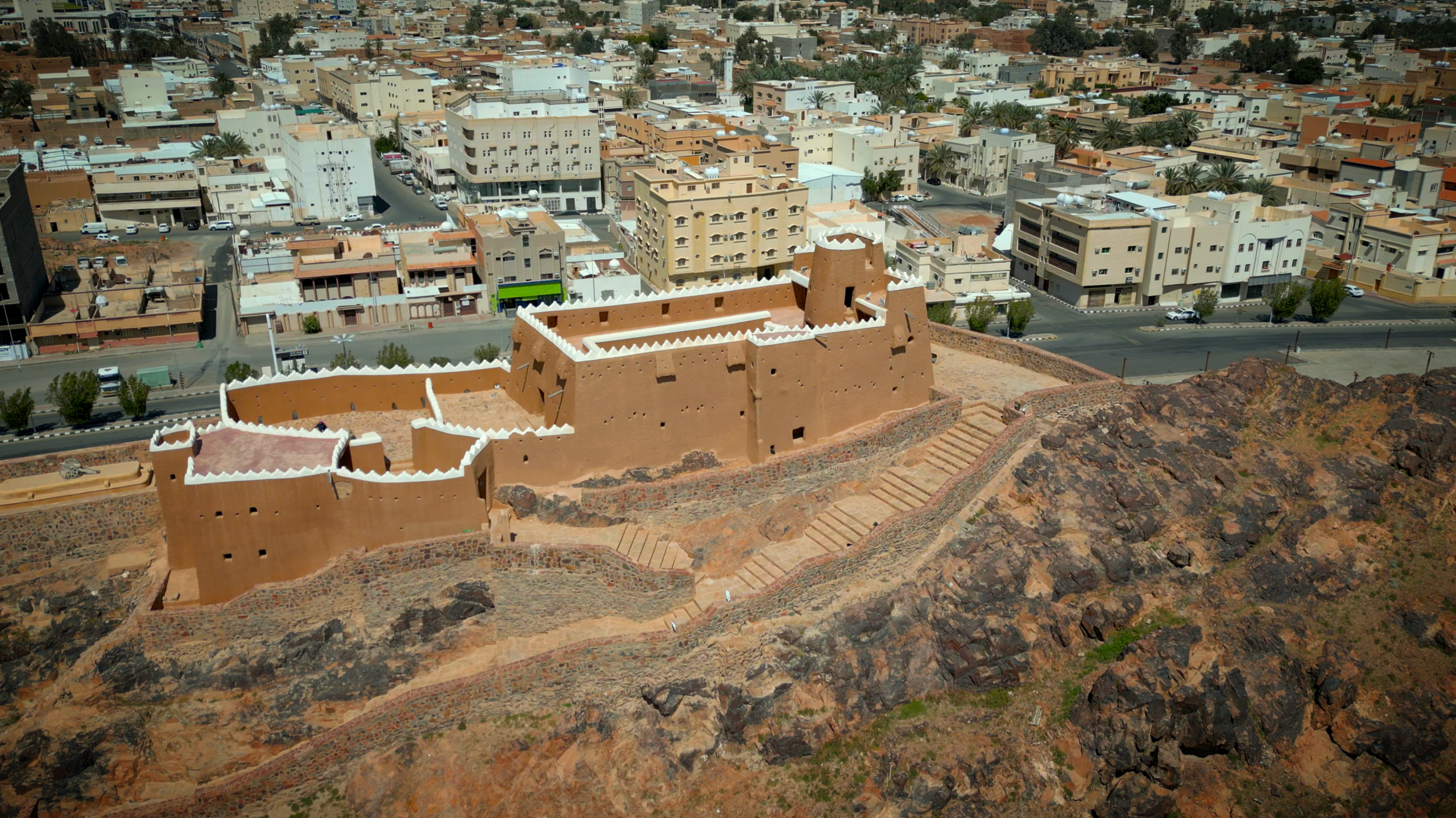
Al Qishlah Palace, A’arif Fort and Barzan Souq stand among Ha’il’s most recognisable landmarks. But the region’s true appeal extends far beyond its urban heritage.
A Landscape Defined by Contrast
Ha’il’s geography is one of its most striking features. The region sits at the intersection of mountain ranges and vast desert expanses. The rugged formations of Jabal Shammar – which includes the twin ranges of Aja and Salma – rise against the horizon, while the sweeping red sands of the Al Nafud Desert stretch outward in shifting patterns shaped by the wind. Adding further diversity to the landscape is Harrat Hutaymah, a volcanic field of ancient basalt flows and volcanic cones that serves as a reminder of the powerful geological forces that shaped northern Arabia over millions of years.
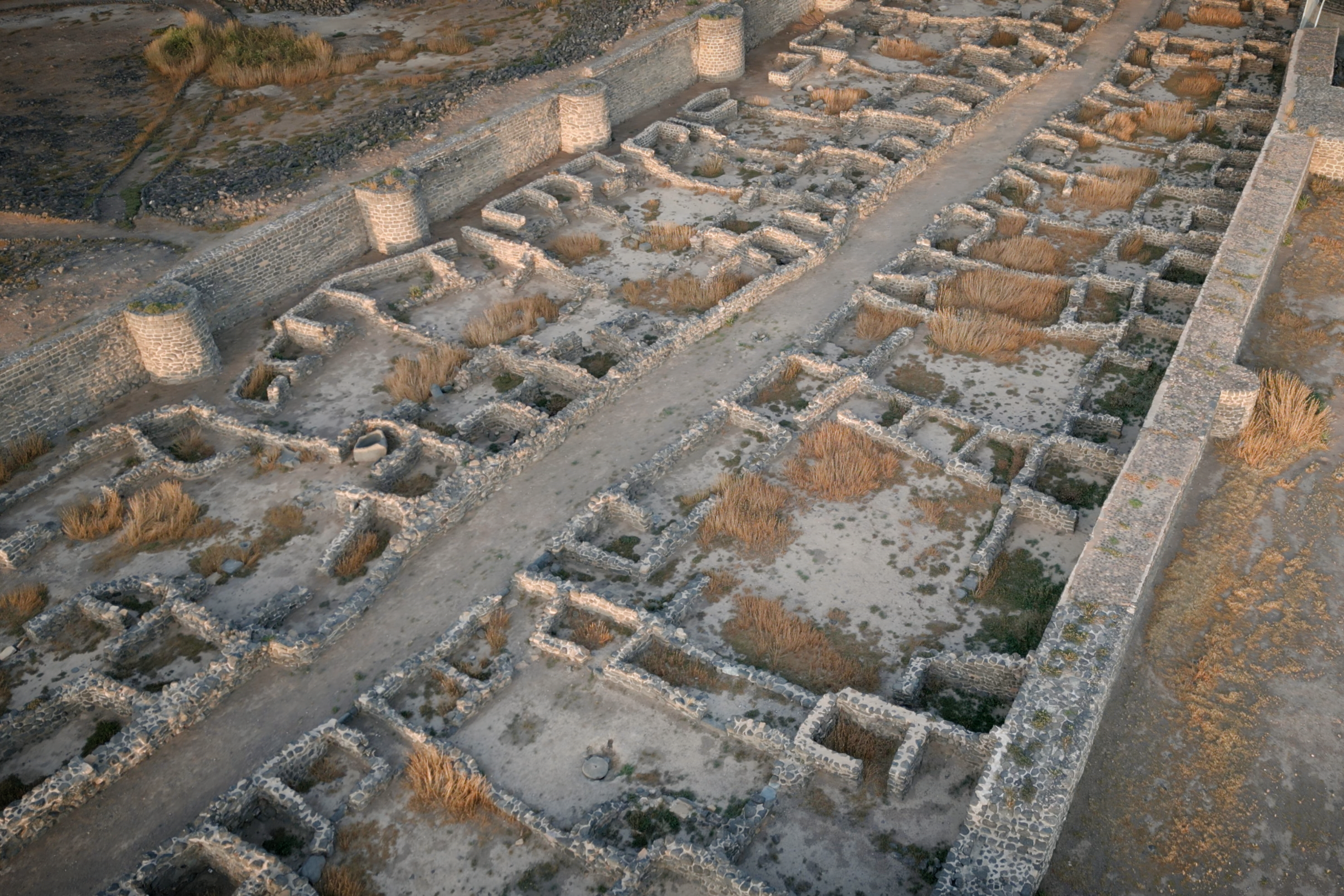
Remarkably the crater houses a centuries-old ghost town – the historic village of Tabah was built inside the crater of an ancient volcano. It now stands preserved and part of the tourist attractions of Salma UNESCO Global Geopark.
Annual heavy rains transform Ha’il’s deserts into a major social and cultural gathering space. Fleeting greenery emerges, wadis fill and sweep down with ferocity, and waterfalls cascade dramatically into valleys. Locals head into the dunes to camp, share meals and experience the desert transformed into a temporary oasis. These seasonal changes, combined with the region’s mountains, deserts and volcanic landscapes, have helped shape both the natural environment and the cultural identity of Ha’il for thousands of years.
A Living Cultural Heritage
Beyond its natural beauty, Ha’il holds a distinct place in the cultural history of the Arabian Peninsula. Historically, it served as a key station along ancient trade routes, linking different parts of the region and facilitating the exchange of goods, ideas, and traditions.
Ruins from Darb Zubaydah, one of the most important pilgrimage and trade routes in the Islamic world built by Zubaydah bint Ja’far, the wife of Abbasid Caliph Harun Al Rashid in the late 8th Century, still stand across much of the Ha’il region. The path from Kufa, Iraq to Mecca included wells, reservoirs, pools, dams, and rest stations. Zubaydah’s Trail and its stations are on the official UNESCO Tentative List.
The archaeological site of Faid, a major station on the route and also part of the Salma UNESCO Global Geopark , is immortalised by fortified structures and water systems dating back approximately 1,300 years. The walled city highlights how advanced and organised the pilgrimage network was for its time. The visitor centre at the site offers interactive exhibits, artifacts, and historical insights.
The trade legacy is still visible today in the region’s strong Bedouin heritage, where values of hospitality, storytelling, and community remain central. Visitors to Ha’il often remark on the warmth of the locals and the enduring importance of poetry and oral tradition – elements that continue to shape local identity.
Traces of Ancient Civilizations
One of Ha’il’s most significant yet underappreciated assets lies in its archaeological richness. The region is home to some of the oldest known evidence of human activity in the Arabian Peninsula.
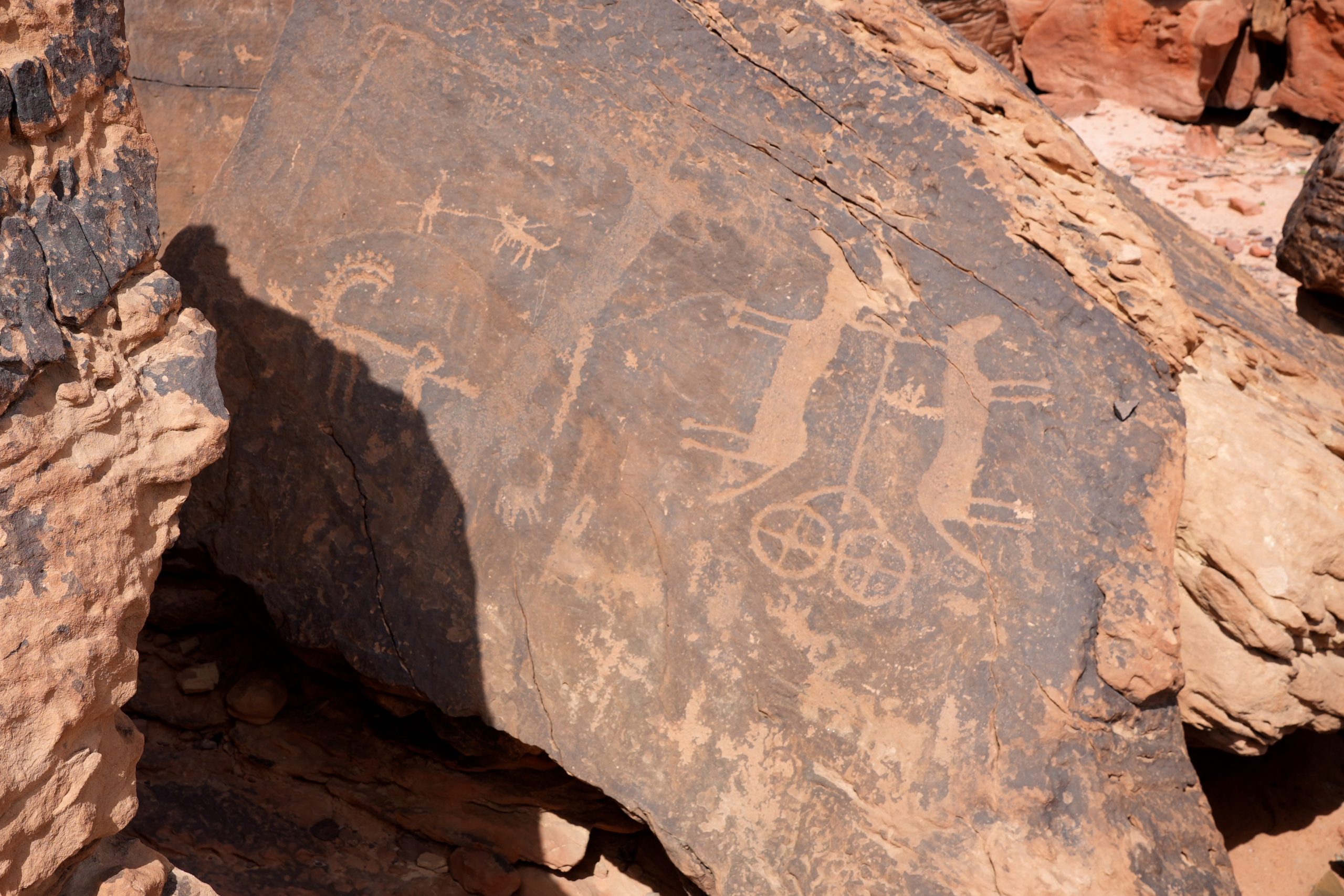
Sites such as Jubbah Rock Art and Shuwaymis Rock Art offer a window into prehistoric life, with carvings that date back thousands of years. These UNESCO-recognized locations depict scenes of hunting, animals, and early human interaction with the environment, providing invaluable insight into how communities once lived and adapted in this landscape.
Umm Sinman is one of the most historically significant sites, located near the oasis town of Jubbah, north west of Ha’il city. Once situated beside an ancient lake, the area was a significant stop on ancient caravan routes for 2000 years. Highly active under the kingdoms of Qedar and Tayma, then utilized frequently by the Nabataeans. Following the rise of Islam in the 7th century, the route transitioned from a pure trade network into an active Hajj pilgrimage corridor connecting travelers from Central Arabia to northern hubs.
Today, Umm Sinman’s rock faces preserve thousands of carvings and inscriptions that document hunting scenes, animals, and daily life dating back millennia. The site offers remarkable insight into how climate, water, and migration shaped human settlement in northern Arabia long before the modern era. A visitors centre installed and serviced by the Heritage Commission is open for tourists and includes indepth information and tours of the site.
Further south, about 3-4 hours drive from Ha’il City , Shuwaymis Rock Art presents another extraordinary window into the region’s prehistoric past – with petroglyphs dating to the early Neolithic period (7000 – 10,000 BC) . Spanning over 50 square kilometers, Shuwaymis is surrounded by volcanic formations and desert valleys. The archaeological zone is fully guarded and for access, needs prior planning with local guides.
Among Ha’il’s lesser-known cultural landmarks is Yatib Mountain, a striking site east of Ha’il city. Jabal Yatib contains an extensive concentration of rock art and inscriptions. Archaeological surveys have documented dozens of panels featuring hundreds of petroglyphs depicting horse riders, camels, hunting scenes, ibexes, ostriches, palm trees, and human figures, alongside ancient Thamudic inscriptions. A visitors centre is currently under construction.
Together with the rock art of Jubbah and Shuwaymis, these sites reinforce Ha’il’s growing importance not only as a tourism destination, but as one of the Arabian Peninsula’s most valuable open-air archaeological landscapes.
Poetry, Literature and Legend
Ha’il occupies a special place in the Arab literary imagination, where history, poetry and folklore converge. The region is closely associated with Hatim al-Tai, the legendary pre-Islamic poet whose extraordinary generosity became immortalised in Arabic literature and oral tradition. Visitors can still explore sites connected to his legacy, including the remains of his reputed home near Tuwaren.
Ha’il is also home to one of Arabia’s most enduring legends: the tale of Aja and Salma. According to local tradition, the two mountain ranges that dominate the region’s landscape were named after two lovers whose story ended in tragedy – similar to Romeo and Juliet. Though versions of the legend vary, the tale has been passed down through generations and remains deeply embedded in local folklore.
From Caravan Routes to Rally Stages
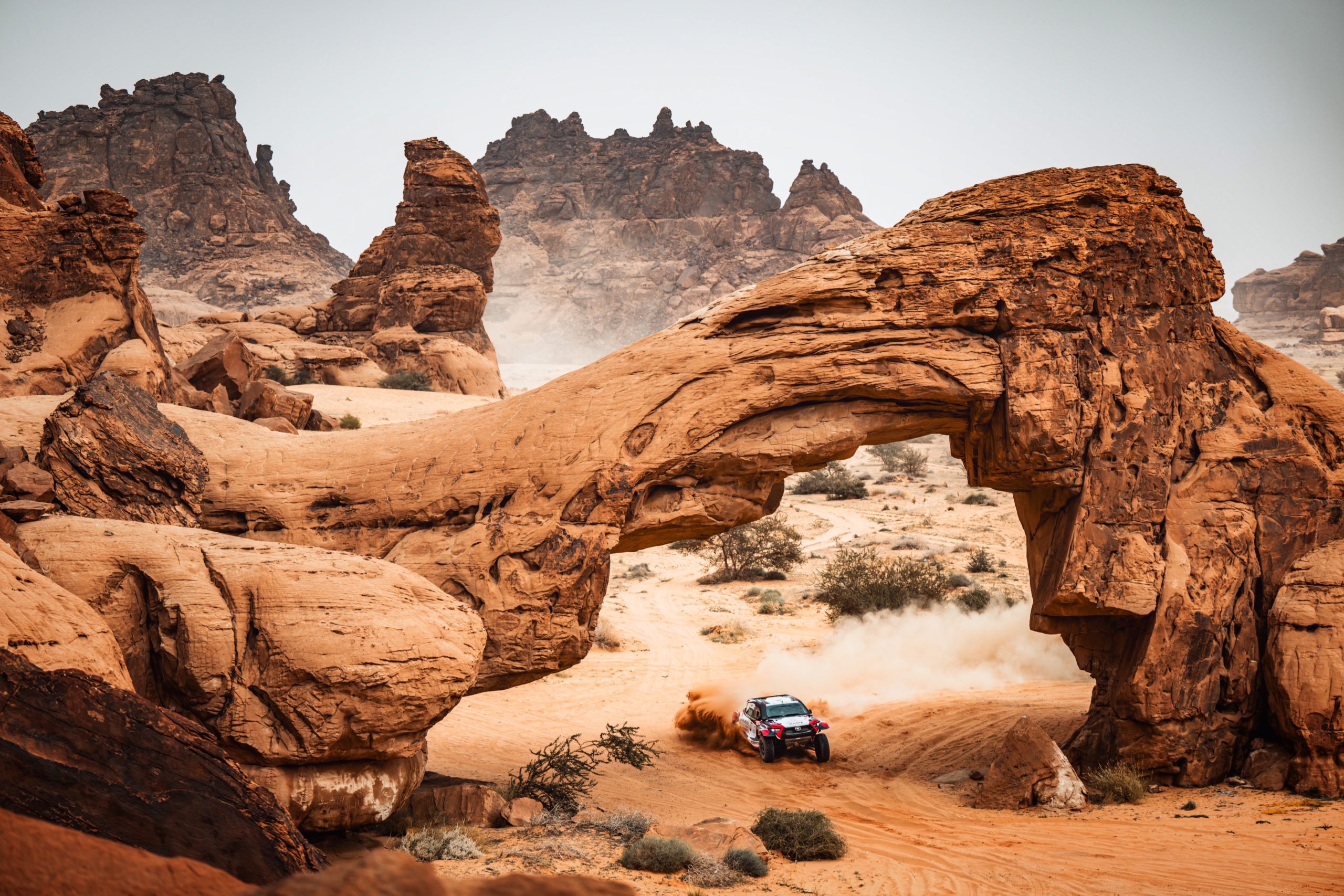
In recent years, Ha’il has emerged as one of Saudi Arabia’s premier destinations for motorsport, particularly off-road racing and desert rally competition. The region’s vast dunes, rugged terrain and dramatic desert landscapes provide a natural arena for endurance racing, attracting both professional competitors and adventure enthusiasts.
International events such as the Hail Toyota International Rally, Rally Jameel and the Dakar Rally have brought global attention to the region, showcasing Ha’il’s unique geography to audiences worldwide. As Saudi Arabia continues to expand its sporting and tourism sectors under Vision 2030, Ha’il has established itself as a key hub for motorsport, where challenging terrain, cultural heritage and outdoor adventure converge.
The Road Less Travelled
For those willing to venture beyond the familiar, Ha’il presents an opportunity to experience a side of Saudi Arabia that remains largely untouched. In a rapidly changing tourism landscape, Ha’il stands quietly, but confidently – as one of the Kingdom’s most compelling emerging destinations.
Suited to a new generation of travelers seeking meaningful experiences. Cultural explorers, adventure seekers, and those interested in history and archaeology will find a destination that rewards curiosity and patience.
Published by Boudou Gueffai