

Riyadh once again cemented its place at the heart of the global gaming conversation on the 29th and 30th of June as the Global Games Show 2026 brought together industry leaders, developers, investors, esports pioneers, content creators and innovators for two days of insight, collaboration and forward-thinking discussion.
Held alongside the Global AI Show and the Global Blockchain Show over two days, the event reflected the growing convergence of technologies that are transforming not only how games are made, but how they are experienced, shared and monetised. Together, the three events created a dynamic platform where business leaders, entrepreneurs and creators explored the future of digital entertainment through the lens of innovation.
The Saudi Times was present across a packed programme of keynotes, panel discussions and fireside chats. One message was clear: gaming has evolved far beyond entertainment. Today, it is a driver of technological innovation, economic growth, education, social impact and global collaboration.
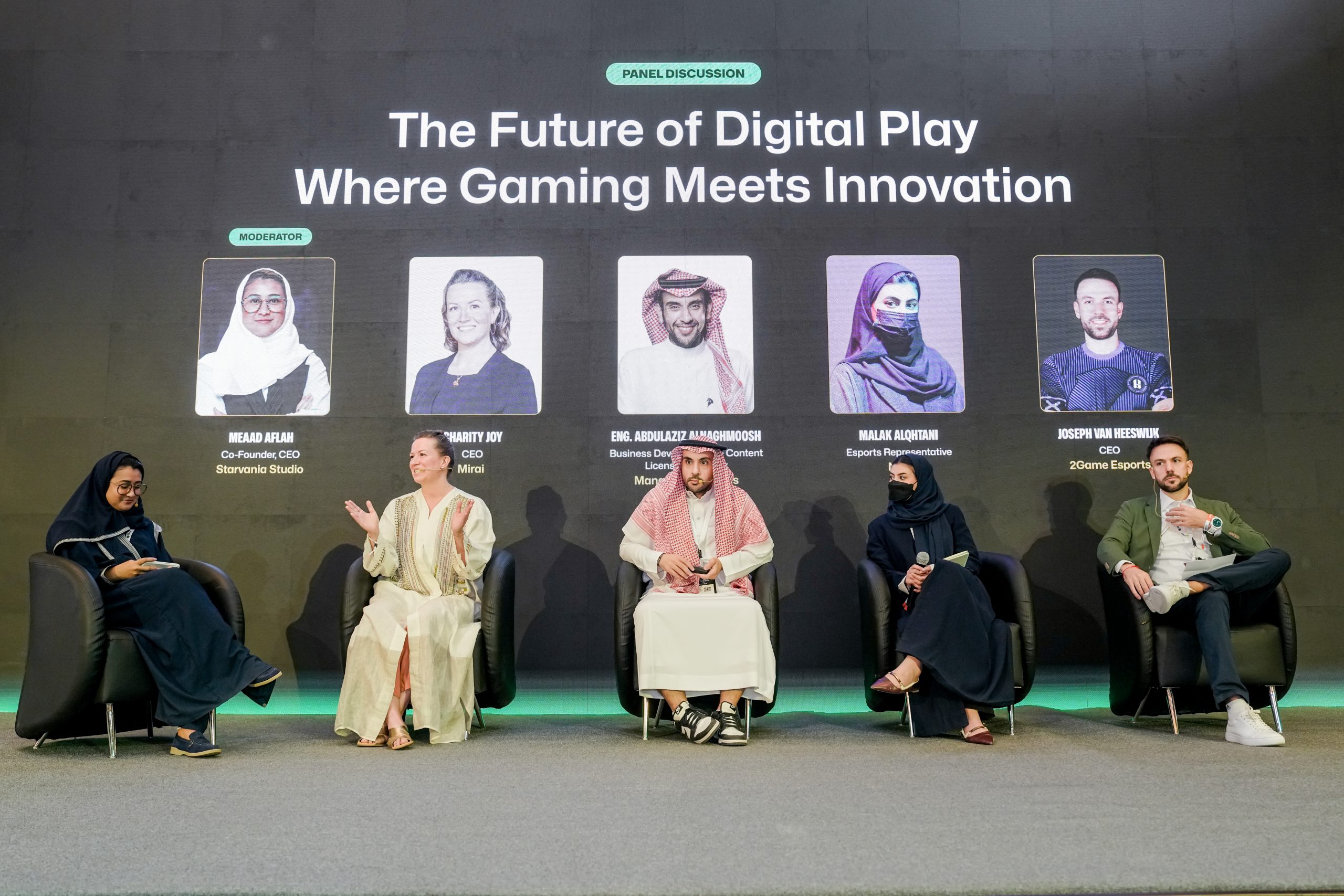
Artificial intelligence dominated many of the conversations, with speakers examining how AI is reshaping every aspect of game development. From creating expansive virtual worlds and intelligent non-player characters to personalising player experiences and streamlining production, AI is rapidly becoming an essential creative partner. Rather than replacing developers, industry experts agreed that the technology is enabling studios to work smarter, innovate faster and deliver richer experiences for players.
Another recurring theme was the evolution of live experiences and fan engagement. As digital and physical worlds become increasingly intertwined, audiences expect more interactive ways to connect with events and brands.
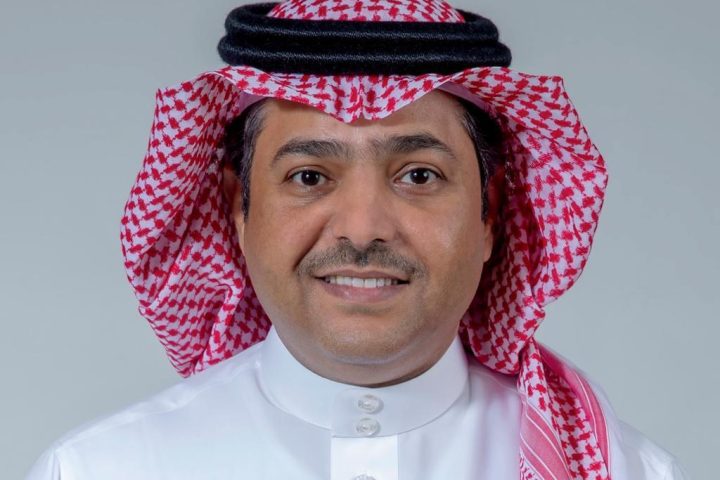
Speaking during one of the panel sessions, Nadeem Bakhsh, CEO of Webook, captured this shift with a simple yet powerful observation.
“Eighty percent of an audience will be on their phones at an event.”
His remarks highlighted the importance of designing experiences that embrace digital engagement rather than compete with it. Whether through live content, interactive features or social media participation, the future of events lies in creating moments that extend beyond the stage and into every attendee’s digital experience.
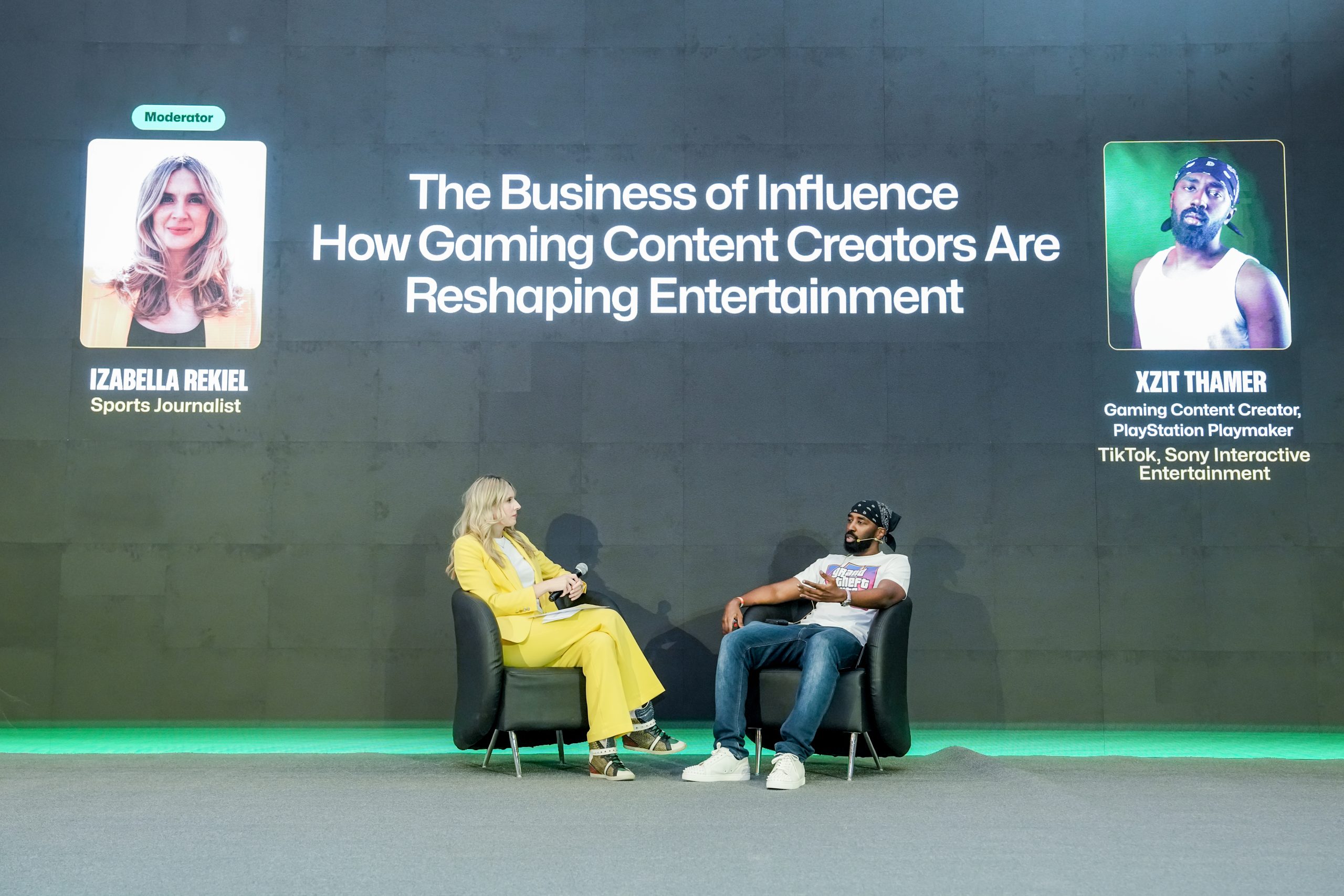
The creator economy was another major focus throughout the event. As gaming influencers continue to shape communities, drive engagement and influence consumer behaviour, creators have become integral to the industry’s growth.
Among the standout speakers was Xzit Thamer, Saudi Arabia’s leading gaming content creator, who offered practical advice to aspiring creators hoping to turn their passion into a profession.
“Be adaptable. Be consistent. Act on feedback.”
Though concise, the message served as a reminder that success in the gaming industry is built on continuous learning, resilience and the ability to evolve alongside rapidly changing platforms and audiences.
The show also explored gaming’s expanding role as a force for positive social impact. In her keynote, From Players to Changemakers: How Gaming Communities Are Shaping the Future, Virginia Villar Arribas, Director of the Private Sector Partnerships Service at the UN World Food Programme, demonstrated how one of the world’s leading humanitarian organisations is harnessing the power of gaming communities to support its mission.
She explained how the World Food Programme is leveraging games and digital platforms to connect with younger generations, raise awareness of humanitarian challenges and inspire meaningful action.
Her keynote reinforced one of the event’s most compelling messages: gaming has become much more than entertainment. It is increasingly serving as a platform for education, advocacy and community-building, proving that virtual experiences can have a tangible impact in the real world.
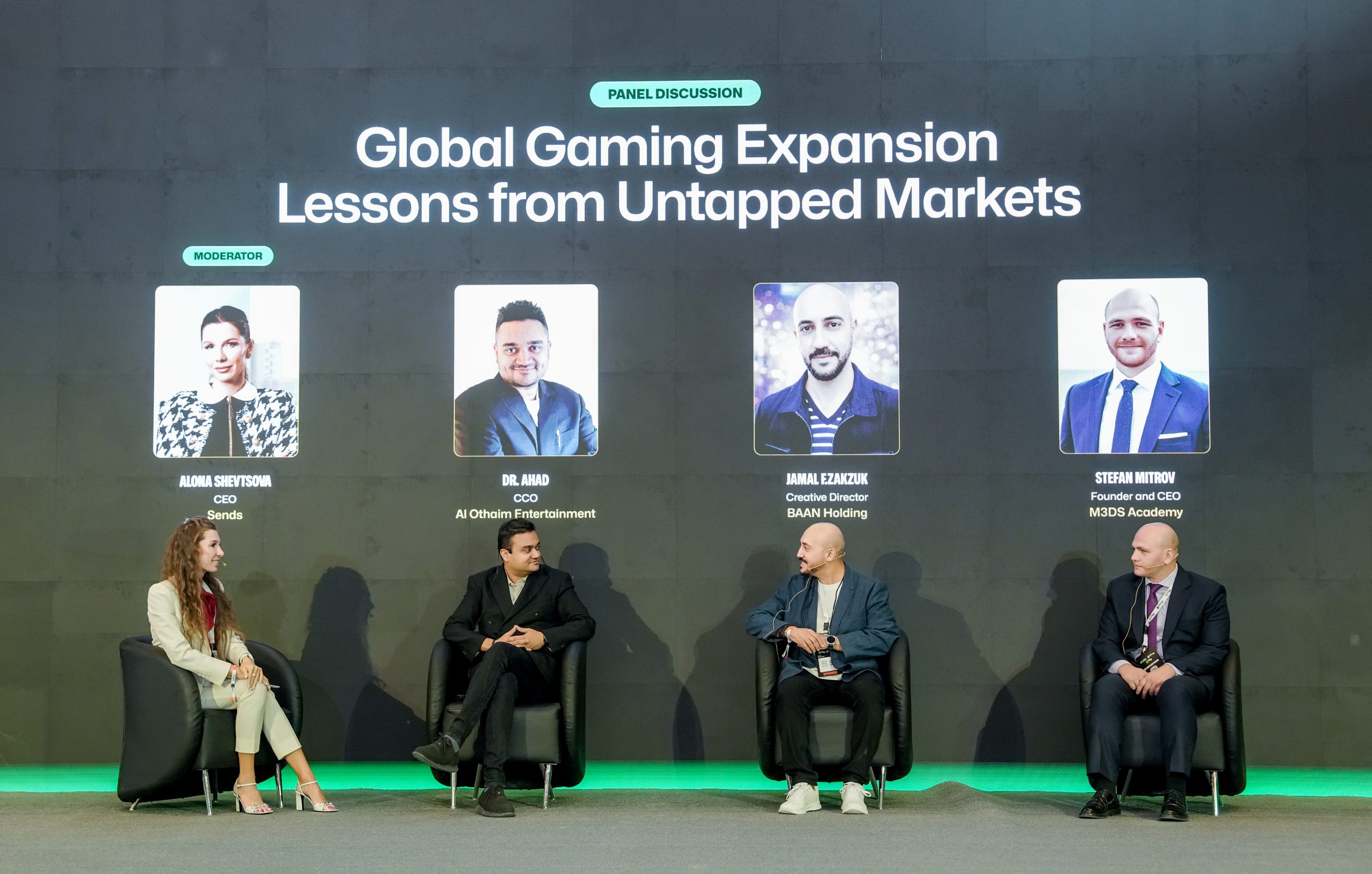
Investment and business growth remained central themes throughout the two-day programme. Publishers, venture capital firms, developers and entrepreneurs explored emerging opportunities across independent game development, esports, creator platforms and next-generation technologies. Networking sessions and business matchmaking underscored the show’s importance as a venue where partnerships are formed, ideas are exchanged and future investments begin.
Education also featured prominently, with speakers highlighting the importance of building ecosystems that prepare the next generation of developers, designers and entrepreneurs. As the gaming industry continues to expand, collaboration between governments, educational institutions and private industry will be essential to developing the talent needed to sustain long-term growth.
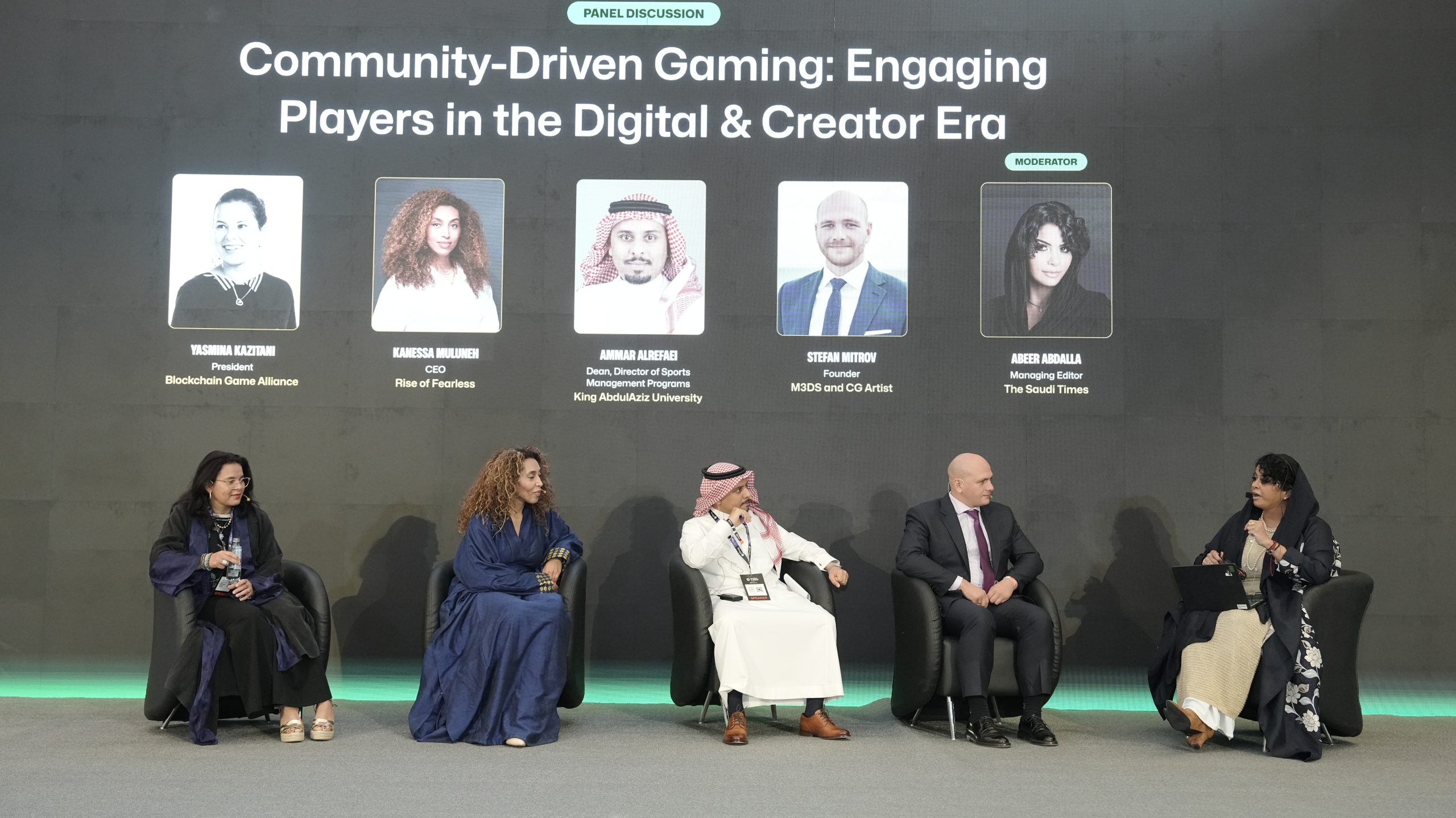
Another standout discussion shone a spotlight on Africa’s rapidly emerging gaming ecosystem. Kanessa Muluneh, CEO of Rise of Fearless – a mobile battle game in Africa – highlighted the continent’s youthful population, growing digital connectivity and thriving creator communities as key drivers of future growth. As mobile gaming continues to accelerate across Africa, she emphasised the immense opportunities for investment, localisation and talent development, positioning the continent as one of gaming’s most exciting frontiers.
For Saudi Arabia, the significance of the Global Games Show extends far beyond hosting another international conference. The event reflects the Kingdom’s broader ambition to become a global leader in gaming and digital entertainment as part of Vision 2030. Through strategic investment, international partnerships and a commitment to nurturing local talent, Saudi Arabia is building an ecosystem designed to support every aspect of the gaming value chain – from development and publishing to esports, technology and entrepreneurship.
If one takeaway defined the event, it was this: gaming is no longer simply an industry centred on play. It is a global ecosystem driving innovation, business, education and social impact. And as that ecosystem continues to grow, Riyadh is firmly establishing itself as one of the places where its future is being written.