

What if a PTSD treatment were tuned to the patient's own brain activity rather than a standard setting? That is the idea behind MeRT, a system from California-based Wave Neuroscience that the US Food and Drug Administration cleared in June as an add-on treatment for adults with post-traumatic stress disorder. It was developed with the Texas A&M University Institute of Biosciences and Technology, and its trial figures drew fresh attention this week in science coverage of a university report.
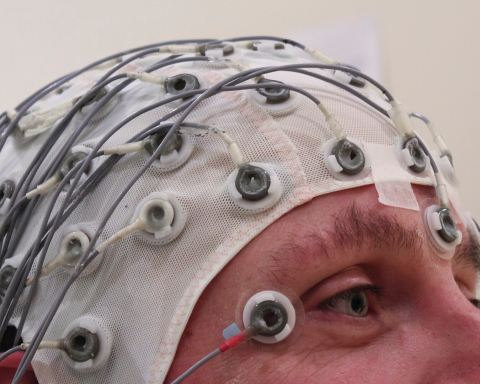
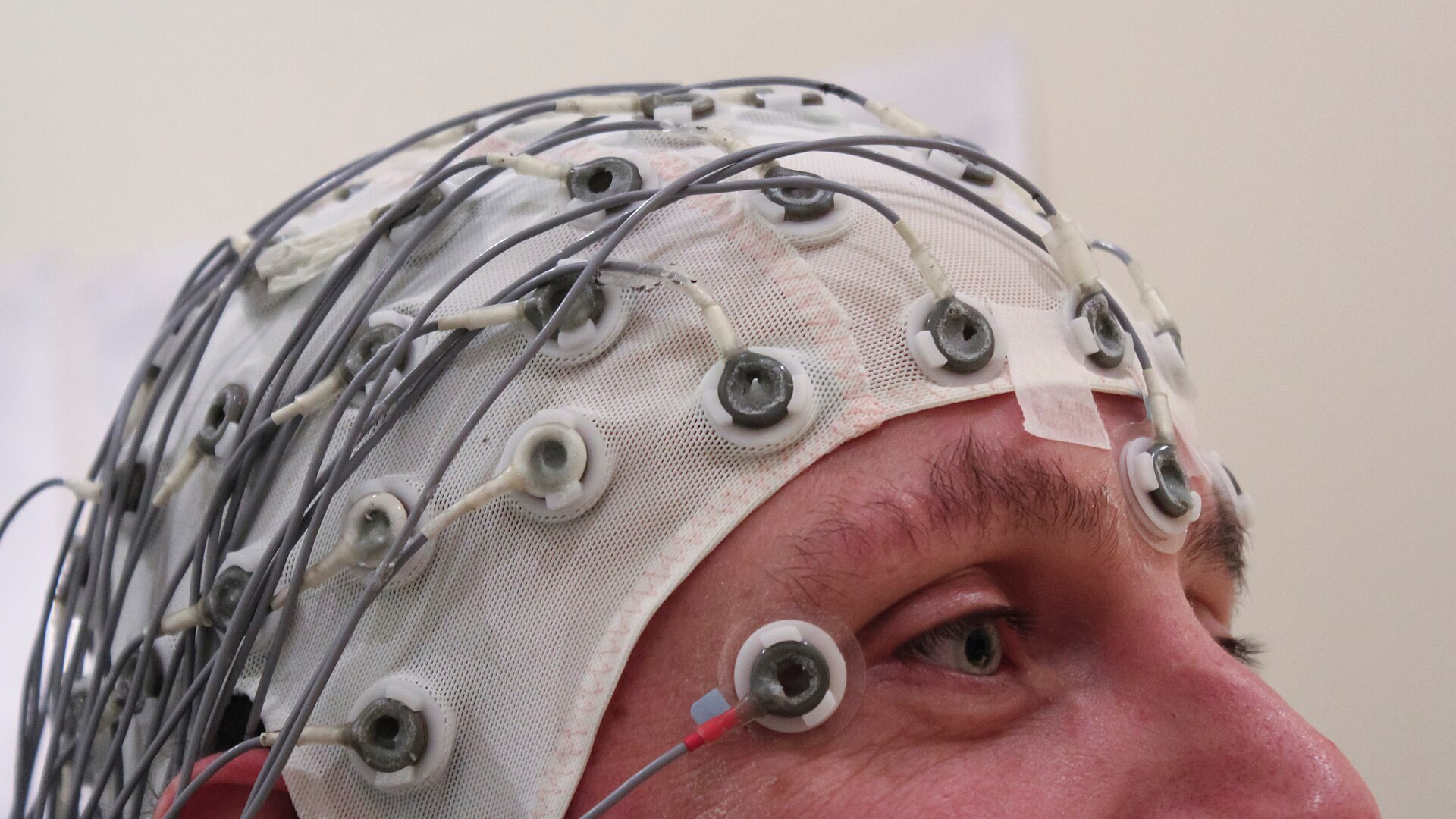
How does it differ from ordinary magnetic stimulation? Clinicians first record an EEG to map the patient's brain activity, then an AI-derived algorithm sets the stimulation parameters for that individual instead of a fixed protocol used for everyone. Treatment runs five sessions a week for five to six weeks.
What did the trial show? The double-blind, randomised, sham-controlled study ran at several sites under principal investigator Dr Kenneth Ramos, with 158 participants from the general public, some of them military, in its main phase. According to Dr Erik Won, Wave's chief medical officer, symptoms fell by 52% and 68% of patients reached remission.
Why does it matter? Dr Israel Liberzon, a professor of psychiatry at Texas A&M and the study's lead PTSD specialist, said patients now have a non-medication option alongside drugs; the FDA has approved only two medicines for the condition. The device had received breakthrough device designation in 2024.
Is the question settled? Not yet. The headline numbers come from the company, the full results have not been published in a peer-reviewed journal, and independent psychiatrists point out that clearance confirms the device meets requirements for its intended use, not that it outperforms existing treatments.