

If you care for someone with Parkinson's disease, you may have wondered whether daily walks, housework or a weekly game of tennis really change anything. A US study that followed patients for up to seven years offers an encouraging but careful answer: those who were more active lost thinking skills and movement more slowly, and people active for more than eight hours a week showed almost no average decline in cognition.
The research was published on 7 October in Neurology, the journal of the American Academy of Neurology. It was led by Dr Dong-Woo Ryu of the University of Cincinnati and The Catholic University of Korea, with Dr Alberto Espay, who holds the Gardner Family Center chair in Parkinson's and movement disorders research at Cincinnati, among the authors.
The team followed 294 people with mild to moderate Parkinson's, average age 66, enrolled in the Cincinnati Cohort Biomarker Program, a long-running study of the disease. Each participant estimated how many hours a week they spent being active at work, at home and in hobbies, and every year they took a test of thinking and memory and an assessment of their Parkinson's symptoms.
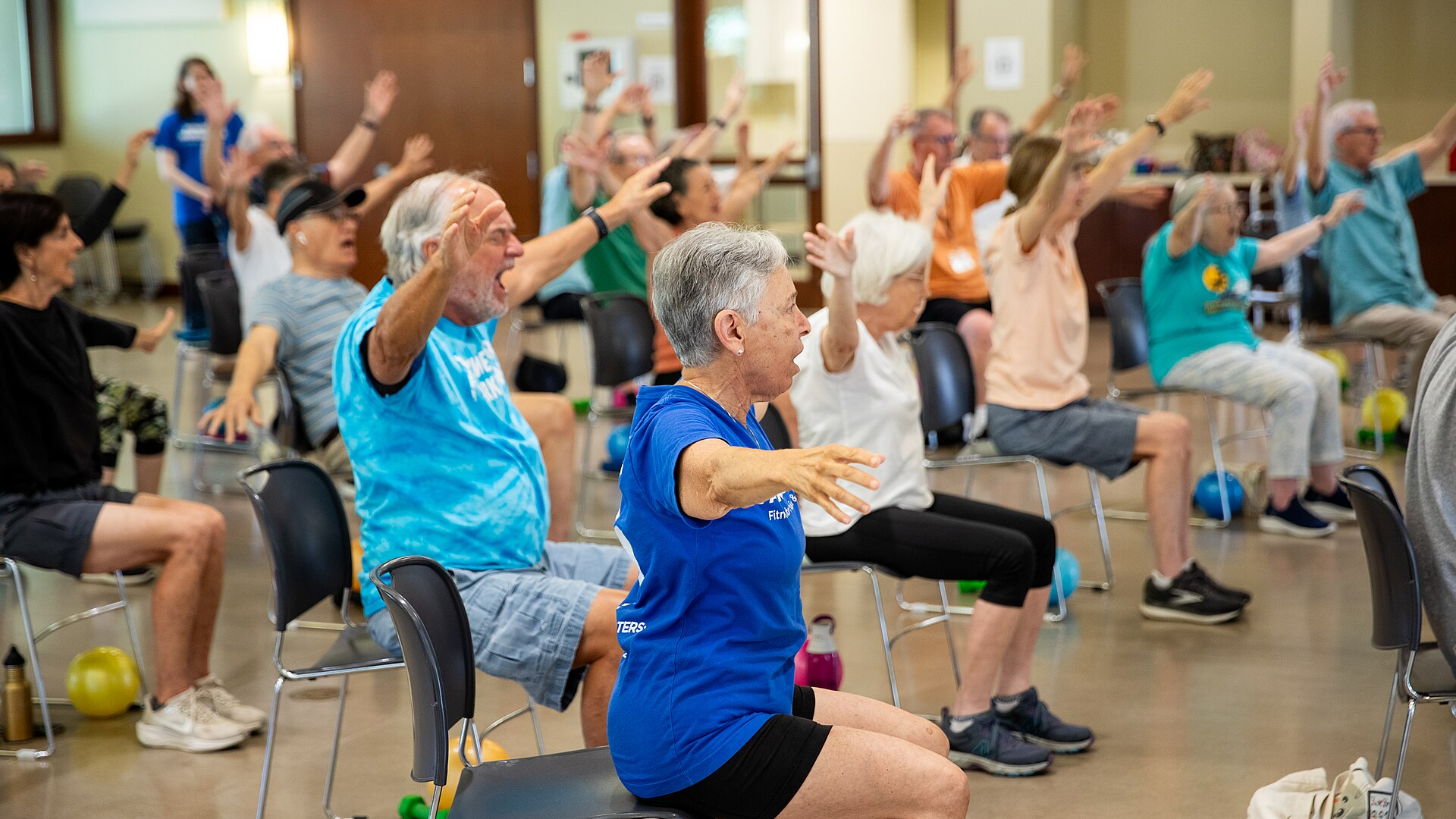
Activity was counted broadly. Brisk walking, light swimming, doubles tennis, vacuuming and mowing the lawn were classed as moderate, while jogging, fast cycling, team sports, singles tennis, shovelling and carrying heavy loads were vigorous. By total time, people fell into three groups: up to four hours a week, four to eight hours, and more than eight.
On the cognitive test, scored from 0 to 30, the least active group lost an estimated 0.478 points a year on average, the middle group 0.090 and the most active group just 0.007. On the motor scale, which runs to 132 with higher scores meaning worse symptoms and averaged 23 at the start, the low group's scores rose by 0.143 a year, while the estimates for the middle and high groups moved down, by 0.225 and 0.783.
After adjusting for age, sex and how long people had had the disease, the most active group still declined more slowly in both thinking and movement than the least active. Higher scores on all three measures the researchers used, total time, activity volume weighted for intensity, and time spent in vigorous activity, were each tied to slower decline. Ryu said physical activity may carry a dual benefit for movement and cognition, and that the gaps between groups could grow more meaningful over time.
The limits matter. The study is observational, so it shows an association and cannot prove that activity slows the disease. Activity was self-reported and may not always be accurate, and most participants had good thinking and memory when they joined, so the authors urge caution and call for further studies, noting that the differences between groups were small.
Long follow-up is what made the work possible. Espay said the paper exists because hundreds of people agreed to keep coming back year after year. The study was funded by the Gardner Family Foundation and the Precision Medicine in Neurodegenerative Diseases Fund.