


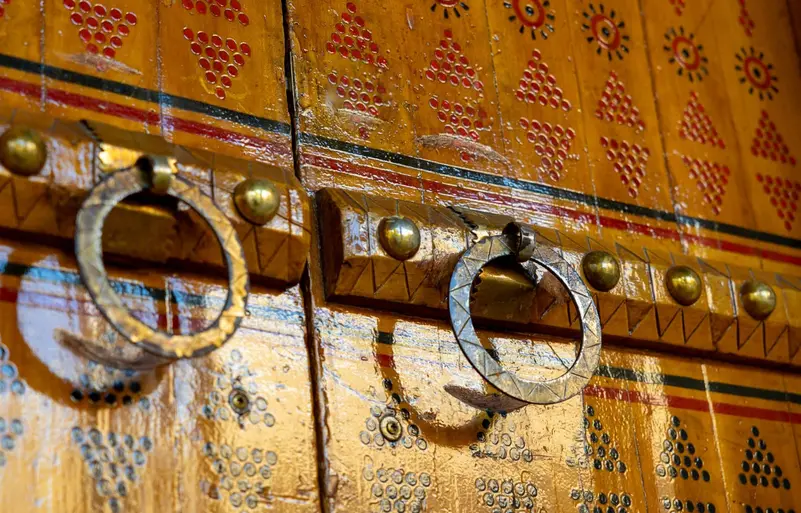
In a significant step toward preserving Saudi Arabia’s cultural heritage and safeguarding traditional crafts, the Royal Institute of Traditional Arts (Wirth) has announced the opening of registration for its apprenticeship program in traditional carpentry and Najdi door craftsmanship.
The initiative reflects the institute’s commitment to preserving authentic Saudi crafts while transforming them into sustainable professional pathways that contribute to the Kingdom’s growing creative economy and cultural development goals under Saudi Vision 2030.
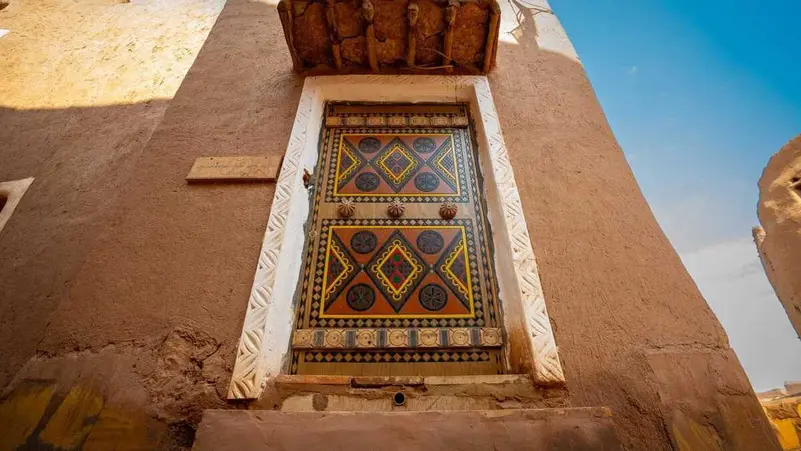
Najdi Doors: Icons of Saudi Architectural Heritage
Traditional Najdi doors are among the most recognizable elements of central Saudi Arabia’s architectural identity. For generations, they have been admired for their intricate geometric and floral carvings, handcrafted details, and distinctive artistic character.
Far more than functional architectural components, these doors represent a rich artistic tradition that reflects the cultural values, social history, and craftsmanship of the Najd region.
Crafted from high-quality wood and adorned with detailed hand-carved decorations, Najdi doors have long served as symbols of elegance and cultural expression in traditional homes and historic buildings.
An 18-Month Hands-On Learning Experience
The apprenticeship program offers participants an intensive 18-month practical training experience at the institute’s headquarters in Unaizah, located in the Qassim region.
Students will receive comprehensive hands-on instruction within specialized workshops, learning traditional woodworking techniques, Najdi door construction methods, decorative carving skills, and finishing processes.
The curriculum combines traditional craftsmanship with modern design and production techniques, ensuring that participants develop both historical knowledge and practical expertise.
Learning Directly from Master Craftsmen
One of the program’s defining features is its apprenticeship-based learning model, which allows trainees to work directly alongside experienced craftsmen and specialists in Saudi traditional arts.
This approach provides participants with valuable opportunities to acquire specialized skills and techniques that have been passed down through generations and are difficult to preserve through conventional classroom education alone.
The program also offers deeper insight into the cultural and historical significance of Najdi craftsmanship, helping participants understand the broader context behind these artistic traditions.
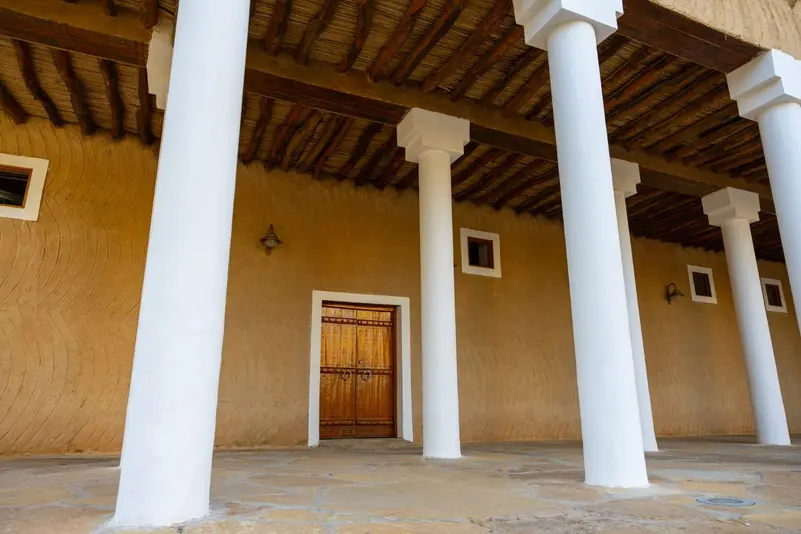
Preserving Heritage While Supporting the Creative Economy
The initiative forms part of Wirth’s broader strategy to preserve Saudi Arabia’s traditional arts and ensure their continued relevance in modern society.
By preparing a new generation of skilled artisans, the institute aims to create sustainable career opportunities within the cultural and creative sectors while protecting valuable heritage practices from disappearing.
The program also supports national efforts to expand cultural industries and encourage entrepreneurship in heritage-related fields, contributing to economic diversification and cultural sustainability.
Classes Begin in August
The program is scheduled to begin on August 23, 2026, and is offered free of charge to Saudi citizens.
Participants will have the opportunity to gain professional-level expertise in one of the Kingdom’s most distinctive traditional crafts while helping preserve an important part of Saudi Arabia’s architectural and artistic legacy.
Through initiatives such as this, Wirth continues to play a leading role in protecting traditional Saudi craftsmanship, ensuring that centuries-old skills remain alive and relevant for future generations while contributing to the growth of the Kingdom’s cultural and creative landscape.














