

By Izabella Rekiel
High Five is The Saudi Times’ weekly look at five sports stories, developments and events shaping the Kingdom’s sporting landscape. From emerging talent and grassroots programmes to international stars, technology and homegrown competition, each week we look at what’s happening, why it matters and what to watch next.
1.Saudi Arabia goes home with record 17 medals from Asian Games
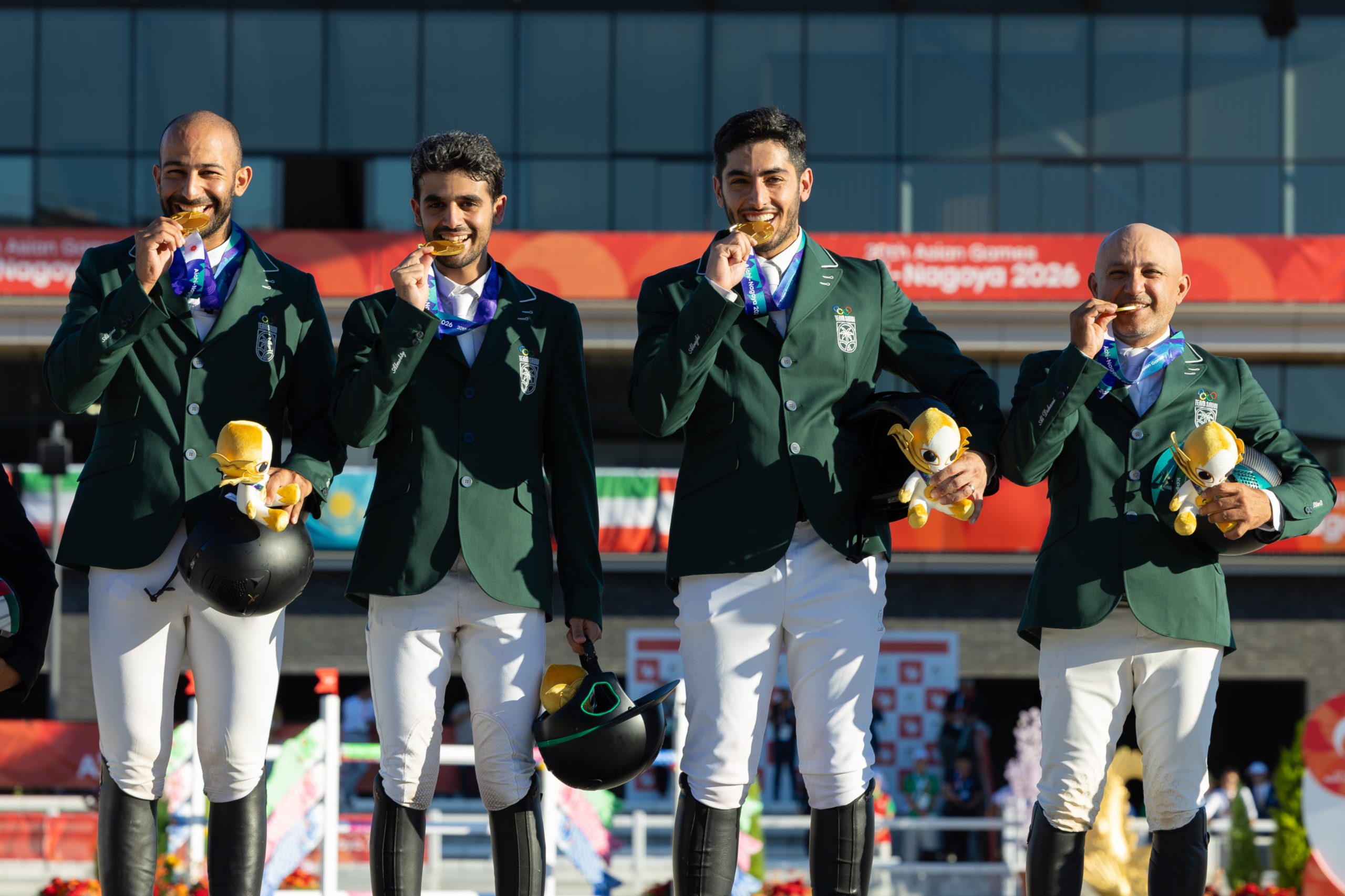
Saudi Arabia finished the Aichi-Nagoya 2026 Asian Games with a record 17 medals – four gold, three silver and 10 bronze. This places the Kingdom 18th in the final medal table. The tally is Saudi Arabia’s highest in Asian Games history, surpassing the previous record of 14 medals won at Doha 2006.
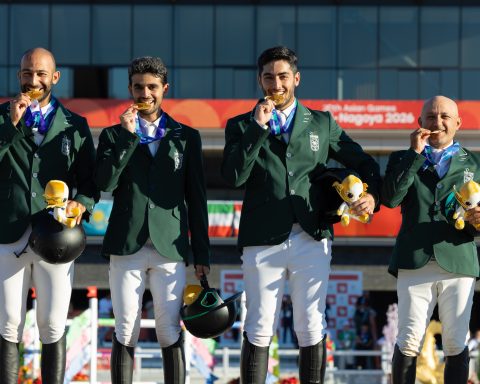
The campaign ended with another gold on Sunday, as Ramzy Al-Dahami won the individual show-jumping title, adding to the team gold he secured alongside Khaled Al-Mubti, Abdulrahman Al-Rajhi and Saad Al-Ajmi earlier in the Games. Al-Dahami now has six Asian Games medals across his career, including five gold and one bronze.
Saudi Arabia’s other two golds came in jiu-jitsu, with brothers Omar Nada winning the under-94kg title and 19-year-old Abdullah Tariq Nada taking gold in the under-85kg category. Abdullah was competing at his first Asian Games.
The Games also produced a pivotal result for Saudi female athletes, with Dina Ahmed Mustafa winning bronze in the women’s over-68kg karate kumite – described as the Kingdom’s first Asian Games medal for an adult female athlete.
Why it matters: The 17-medal haul represents Saudi Arabia’s strongest Asian Games performance to date, with gold medals coming across equestrian and jiu-jitsu and medals spread across several disciplines. It also highlights the growing contribution of younger athletes, including Abdullah Nada, alongside established competitors such as Al-Dahami.
What’s next: With the Asian Games now concluded, attention turns towards the Los Angeles 2028 Olympic cycle, with qualification pathways already beginning across individual sports. The Nagoya results give Saudi federations and athletes an early benchmark as they build towards LA28, where the Kingdom will look to build on its participation in Paris 2024.
2.Saudi fighters make their mark at PFL MENA 11
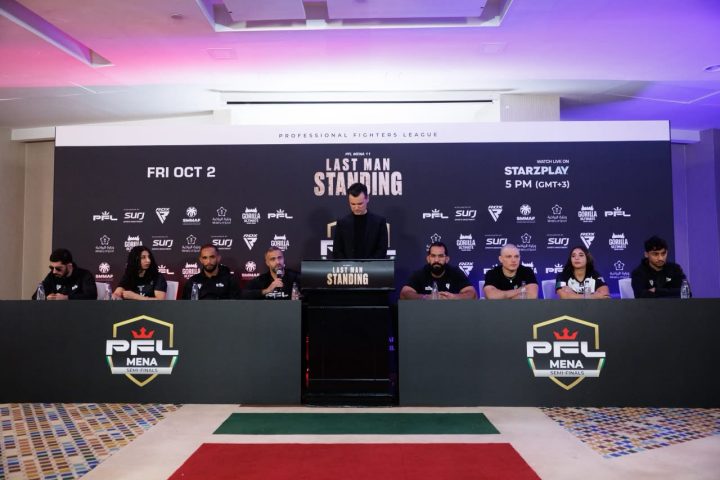
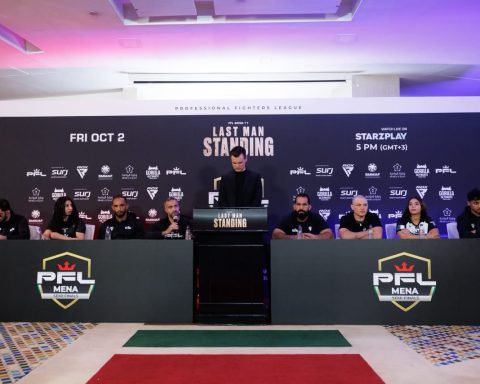
PFL MENA 11 brought its 2026 semifinal stage to Riyadh on October 2. Fighters competed for places in the promotion’s championship finals across the featherweight, lightweight and welterweight divisions.
Saudi Arabia produced a three-win night, as Mostafa Rashed Nada, Fatima Al Ammari and Alridah Alnemer all came away victorious at Boulevard Riyadh City.
The headline bout saw Saudi Arabia’s Mostafa Nada defeat Egypt’s Osama Elsaidy in their third meeting, the last of their trilogy. Mostafa’s win puts him through to the PFL MENA final and keeps a Saudi fighter in contention for the regional title.
The results came as the Saudi MMA Federation reported a phenomenal increase in registered national MMA competitors over the past year, from 162 to 420 athletes, with more than 25 women now competing nationally.
Why it matters: PFL MENA is becoming an increasingly visible platform for fighters from across the region, while Riyadh continues to host major stages of the promotion. For Saudi Arabia, Nada’s progression keeps local representation alive in the championship picture.
What’s next: Mostafa will compete in the PFL MENA 2026 season final on December 11 at Dhahran Expo in Al Khobar. The event will also feature Saudi welterweight Ahmed Albrahim against 2025 PFL MENA champion Mohammad Alaqraa.
3.Saudi racing pigeons take world number 1
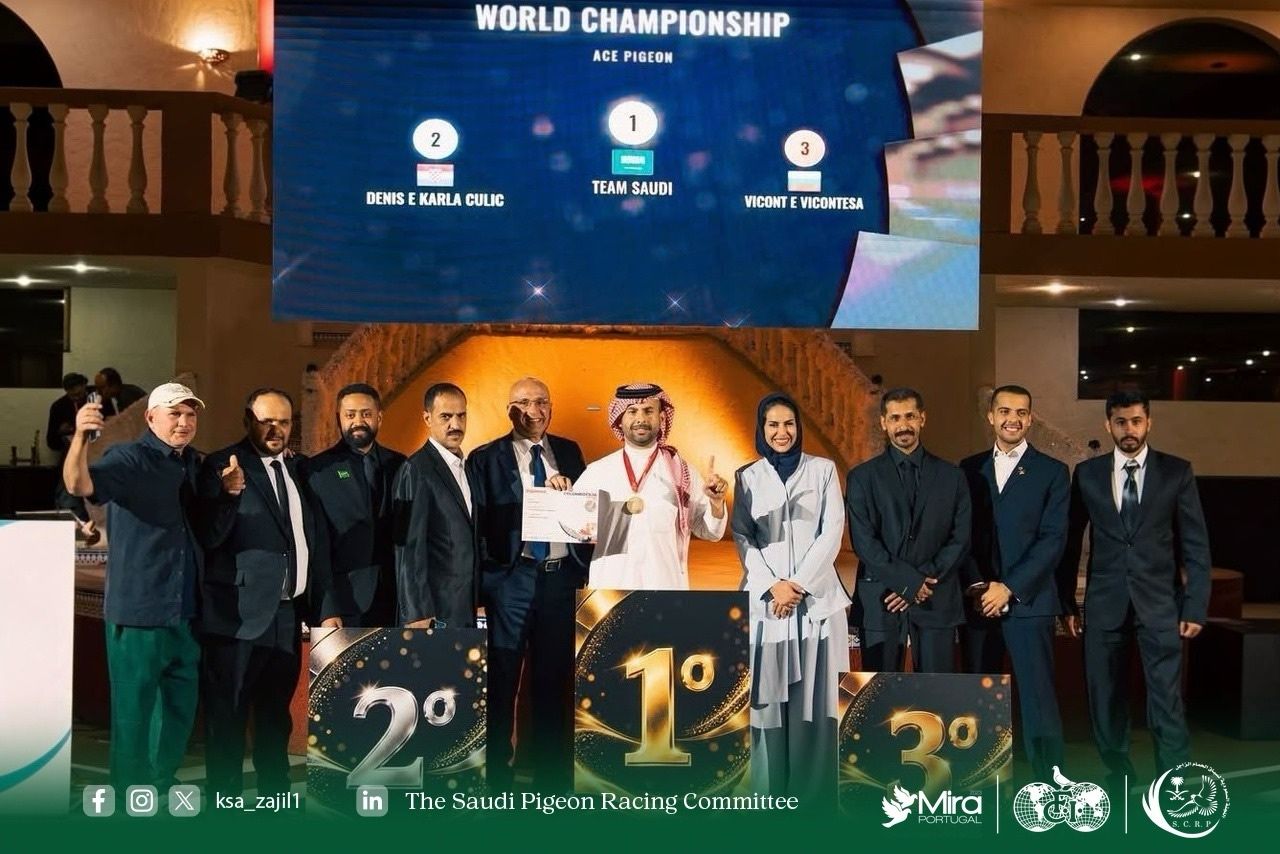
Saudi Arabia has claimed first place globally in the Ace Pigeon category at the FCI World Championship for racing pigeons, held on September 26 at the Mira International venue in Portugal. The Saudi team also recorded ninth and 23rd place finishes in the global standings.
The result highlights a less familiar part of the Kingdom’s competitive sporting landscape, with racing pigeons having an established following.
Why it matters: The result puts a niche Saudi sport on an international stage and adds another discipline to the growing range of sports represented by Saudi competitors abroad.
What’s next: The result provides a platform for further international competition as Saudi participation in the sport continues to develop.
4.F4 and GT racing hit Jeddah
The Aramco F4 Saudi Arabian Championship opened its third season at Jeddah Corniche Circuit, with Round 1 last week, from October 1-3. The championship featured 15 drivers representing eight teams. It will expand to six rounds this season, including four rounds in Jeddah before moving to Lusail in Qatar.
The weekend also marked the debut of Motor Mania GT, a new Saudi-promoted GT series that will run as a support category. Its inaugural season features a 12-car multiclass grid, with manufacturers including Ferrari, McLaren, Radical and Ginetta expected to be represented.
Why it matters: Alongside providing a competitive platform for young drivers, the F4 championship is part of the development pathway for Saudi and regional motorsport talent.
What’s next: Round 2 returns to Jeddah on October 7-8, before the championship heads into its remaining rounds later in the year.
5.Saudi Arabia reaches Gulf Cup final after Qatar shootout
Saudi Arabia has reached the Arabian Gulf Cup final after defeating Qatar 3–2 on penalties following a goalless 120 minutes at Alinma Stadium in Jeddah on October 3.
The result extends Saudi Arabia’s run in the tournament to four matches unbeaten. The Green Falcons had already topped Group A with three wins from three, defeating Kuwait 1-0, Oman 3-0 and Iraq 2-0. They will face UAE in the final on October 6.
Saudi goalkeeper Mohammed Al-Owais played a key role in the shootout, while Abdullah Al-Hamdan, Mohammed Kanno and Mukhtar Ali converted Saudi Arabia’s three successful penalties. Mukhtar Ali scored the decisive kick to send the hosts through.
Why it matters: The result puts Saudi Arabia into its first Gulf Cup final since 2019, where they lost against Bahrain 1-0.
What’s next: Saudi Arabia will face the United Arab Emirates in the final on October 6 at King Abdullah Sports City in Jeddah. The UAE reached the final after beating Oman 1 – 0, with Ousmane Camara scoring the only goal.