Prince Saud Al-Farhan Al-Saud
The Quiet Force: The Prince Who Builds in Silence
Prince Saud bin Abdulaziz, Entrepreneur, Philanthropist, and Architect of Saudi Arabia’s Future
Interviewed & published by: Boudou Gueffai | Editor-in-Chief
Exclusive Interview
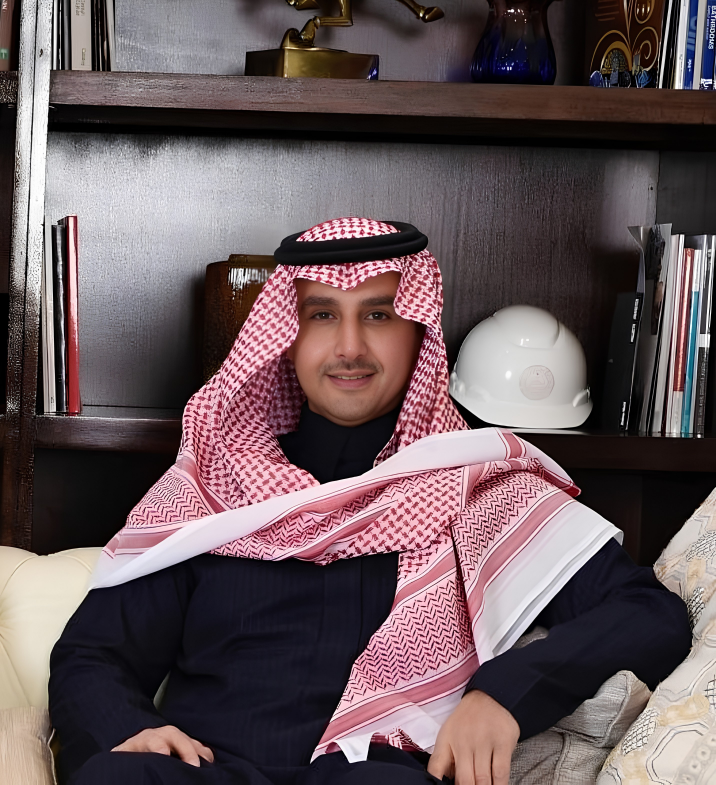
There are leaders who fill every room they enter, and there are those who shape the room before anyone notices they’re there. His Highness Prince Saud bin Abdulaziz bin Fahd Al-Farhan Al-Saud belongs firmly in the second camp.
The Saudi Times met him at his private residence in Riyadh on a quiet afternoon. The setting told you everything before he even spoke. A garden that felt still, Japanese style mixed with Arabian desert vibes, the kind of calm that takes years to get right, where the air itself doesn’t rush. No noise. Nothing extra. Staff moving with perfect precision, sparkling water with ice ready. Just clarity. Looking into his private space, you catch glimpses of art, sophistication, but mostly this organized world where everything sits exactly where it should, down to the millimeter. It’s the space of someone who decided long ago what actually matters.
The Prince is quiet in ways that count. Not reserved, measured. Not shy – selective. Every word he says has been thought through. Every sentence carries weight from someone who’s done the work and wants his story to inspire others. From Saudi Arabia to the world, this is the story of a prince who moves quietly but does more for his Kingdom.
Prince Saud Al-Farhan Al-Saud
The Quiet Force: The Prince Who Builds in Silence
Prince Saud bin Abdulaziz, Entrepreneur, Philanthropist, and Architect of Saudi Arabia’s Future
Exclusive Interview
There are leaders who fill every room they enter, and there are those who shape the room before anyone notices they’re there. His Highness Prince Saud bin Abdulaziz bin Fahd Al-Farhan Al-Saud belongs firmly in the second camp.
The Saudi Times met him at his private residence in Riyadh on a quiet afternoon. The setting told you everything before he even spoke. A garden that felt still, Japanese style mixed with Arabian desert vibes, the kind of calm that takes years to get right, where the air itself doesn’t rush. No noise. Nothing extra. Staff moving with perfect precision, sparkling water with ice ready. Just clarity. Looking into his private space, you catch glimpses of art, sophistication, but mostly this organized world where everything sits exactly where it should, down to the millimeter. It’s the space of someone who decided long ago what actually matters.
The Prince is quiet in ways that count. Not reserved, measured. Not shy – selective. Every word he says has been thought through. Every sentence carries weight from someone who’s done the work and wants his story to inspire others. From Saudi Arabia to the world, this is the story of a prince who moves quietly but does more for his Kingdom.
Discipline as Foundation
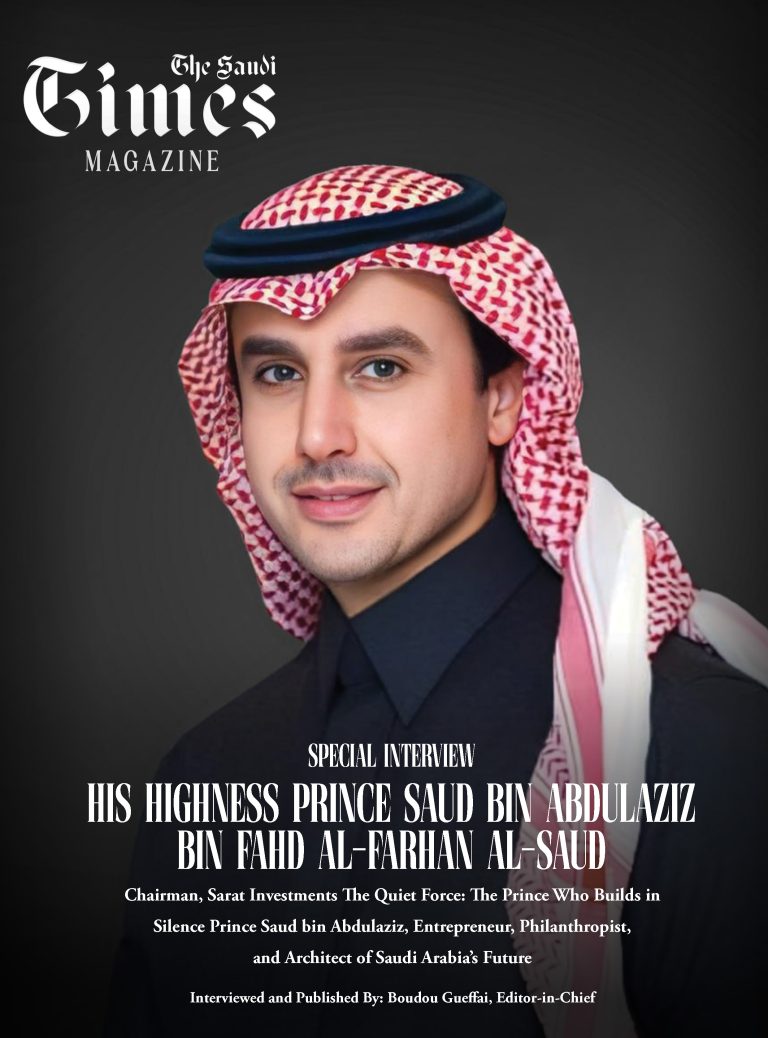
Before the investments, before the portfolio, before Sarat, there was the military.
“I joined the military at a young age,” Prince Saud told The Saudi Times. “I was awarded the discipline trophy at graduation. That experience shaped how I handle everything in life to this day. Whatever I take on, I give my all.”
It’s a sentence worth sitting with for a moment. In a world that loves disruption, Prince Saud is built on something older and more lasting: commitment. The discipline trophy wasn’t the destination, it was the blueprint.
That blueprint shows up in every decision he’s made since. Intentional. Structured. Quietly relentless
Sarat Investments: Building with Vision
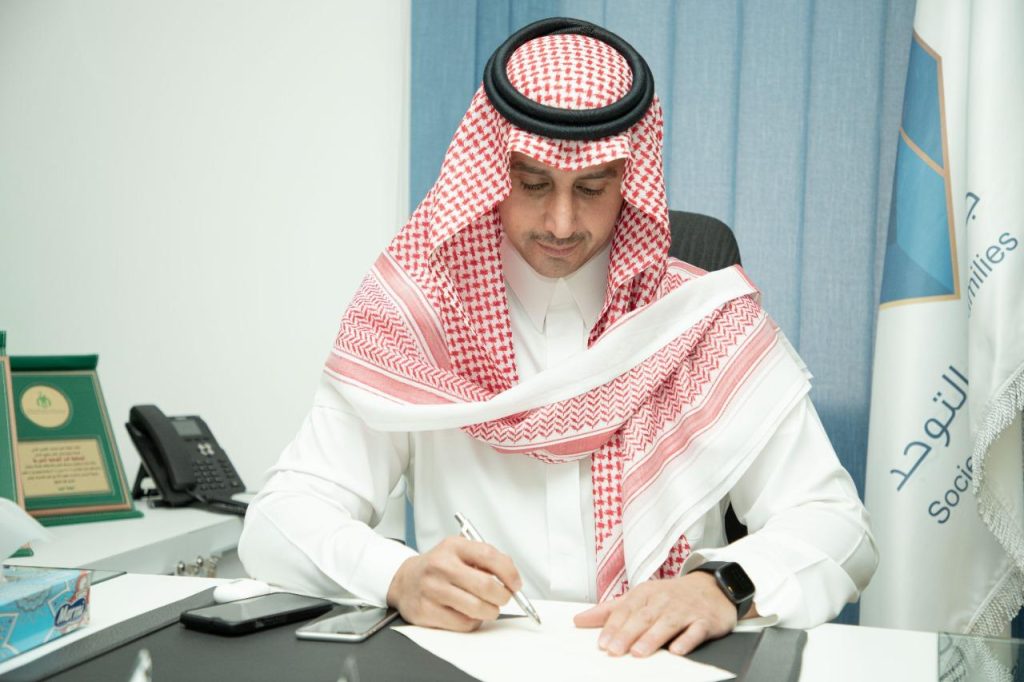
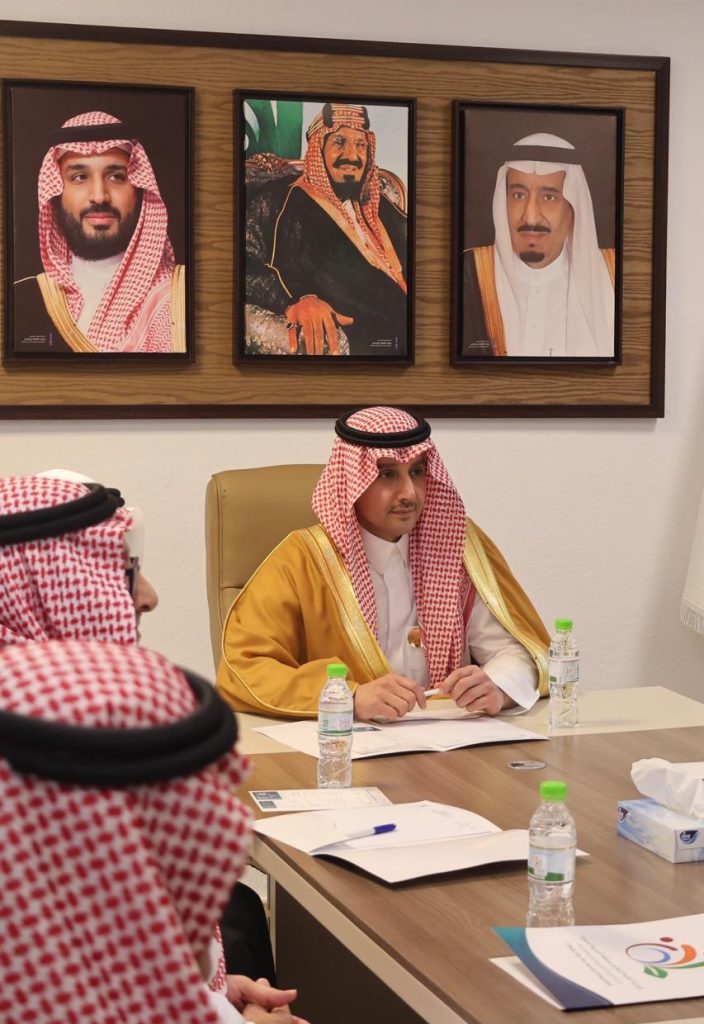
Sarat Investments, the family-owned boutique holding firm Prince Saud chairs, is not a typical investment company. It was designed to be something more precise.
“We established Sarat to not only invest strategically but also to guide global players entering Saudi Arabia,” he explained. “Our structure allows startups and blue-chip enterprises to land successfully, benefit from our network, and scale with local insight. This is our bread and butter. We bring knowledge, financing, execution, and most importantly, vision.”
The portfolio shows just how wide that vision goes. Nobu Hotels, with their flagship property in the Eastern Province, bringing world-class hospitality to one of the Kingdom’s most dynamic areas. Gas infrastructure servicing over 14,000 kilometers of pipeline across Saudi Arabia’s residential and commercial network. KCTC, a publicly listed logistics company handling shipment and warehousing on a national scale. And Dune Vault, a pure data infrastructure play that’s positioning Saudi Arabia as a hyperscale destination for the region’s digital future.
Sectors that matter. Partnerships built to last.
The Saudi Advantage
Prince Saud speaks about Saudi Arabia the way someone does when they have studied it deeply and believe in it completely.
“Saudi Arabia has the advantage,” he said. “Security, labor, solar energy, a strategic location. These ecosystems are ready for any hyperscale. We are not preparing anymore. We are executing.”
It’s a statement that cuts through the noise of a thousand Vision 2030 presentations. Saudi Arabia isn’t pitching itself anymore. It is currently building. And Prince Saud is building right alongside it.
Identity as Competitive Edge
What separates his approach from pure commercial ambition is a conviction that innovation must be rooted in who you are.
“We are not here to copy. We are here to lead with our own story,” he said. “Other nations built themselves with far fewer tools. Saudi Arabia has the talent, the ecosystem, and the determination to break through ceilings others thought impossible.”
His is not a loud legacy. It is not built for visibility. It is built to last.
A Legacy of Giving
The most revealing chapter of Prince Saud’s story has nothing to do with investment returns.
“What started as awareness soon turned into action,” he told The Saudi Times. “We did not just want to provide support. We wanted to build sustainable systems that could change lives.”
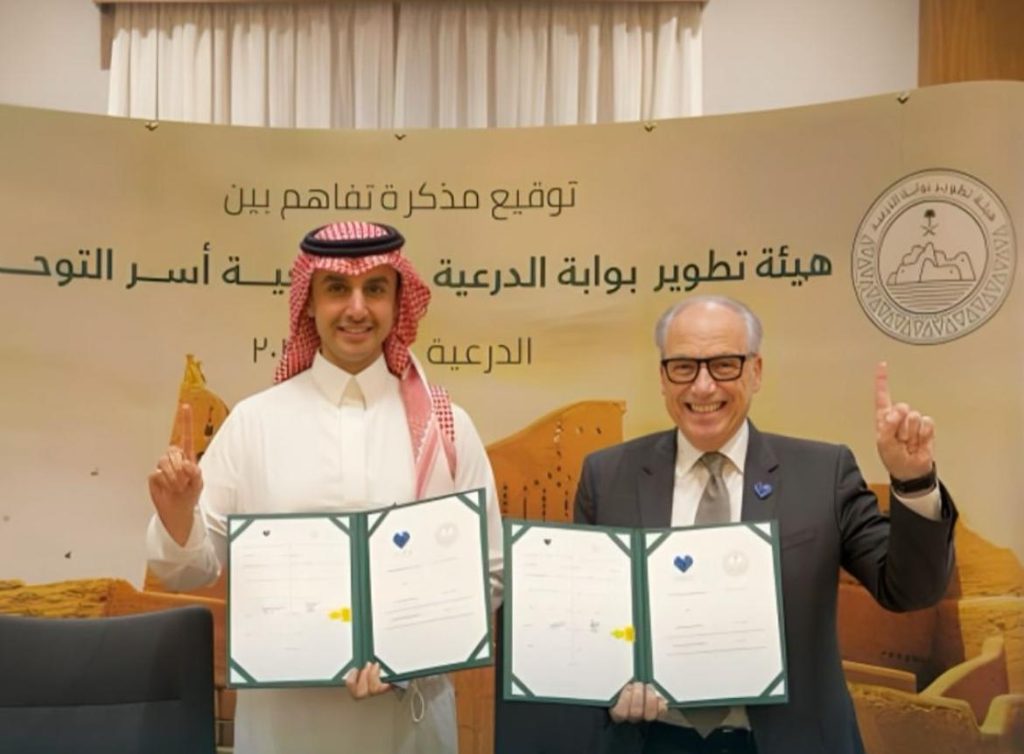
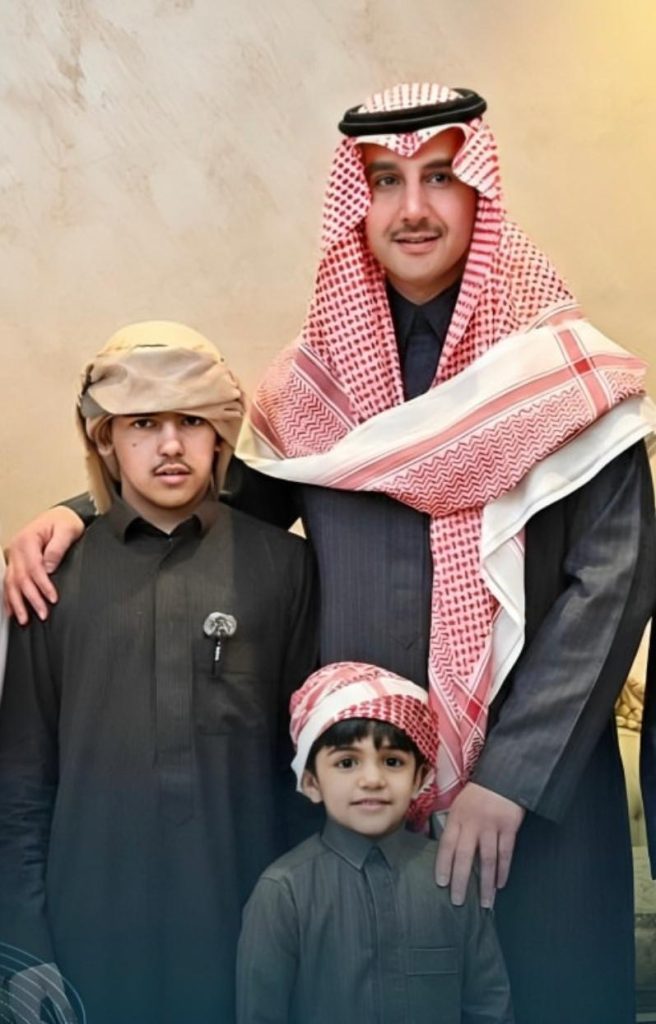
Under his leadership, Saudi Arabia launched the world’s first endowment fund for autism, with autism foundations across the Kingdom investing together. The initiative has reached more than 14,000 families through digital platforms, medical and educational services, and community development programs.
He also led the development of Autism Cities – purpose-built environments covering 100 square kilometers, bringing together therapy centers, inclusive schools, housing, recreational facilities, and family support systems in one self-contained model. The concept is simple in its humanity: keep families together. Take away the logistical burden. Give people back their dignity.
“It integrates the individual and their family into society as a single unit,” he explained. “It reduces logistical burdens and empowers families to live with dignity.”
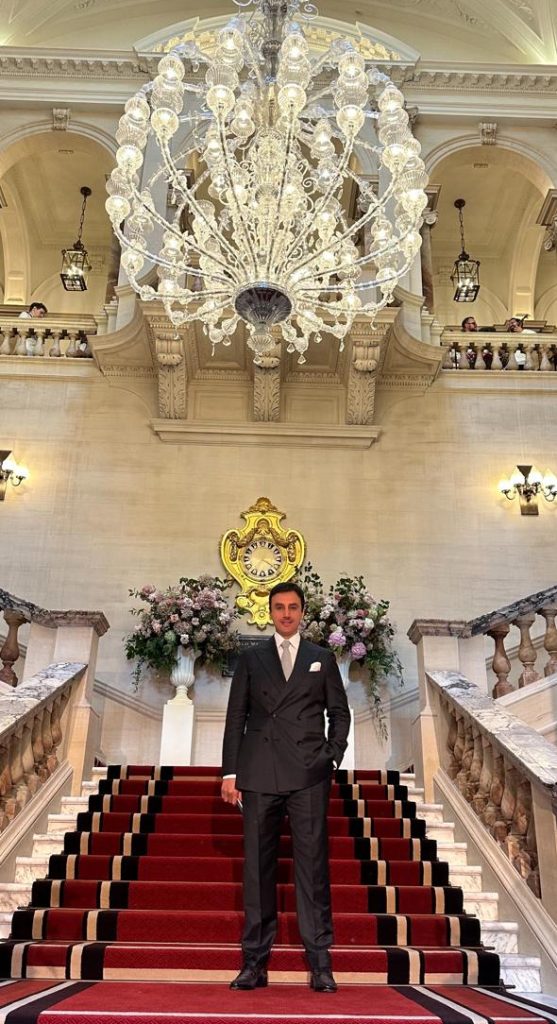
Every April, Sarat leads the Blue Month campaign, a national initiative that raises awareness and rallies support for autism across the Kingdom. His work got global recognition too – the CSR Award at Kensington Palace for the Autism Convoy, a mobile initiative that traveled to 50 remote communities providing screening, diagnosis, and treatment where none existed before.
“This cause found me,” Prince Saud said quietly. “And I committed to it with my heart. It is not a campaign. It is for life.”
How He Leads
When asked how he manages such a diverse range of projects, his answer was characteristically simple.
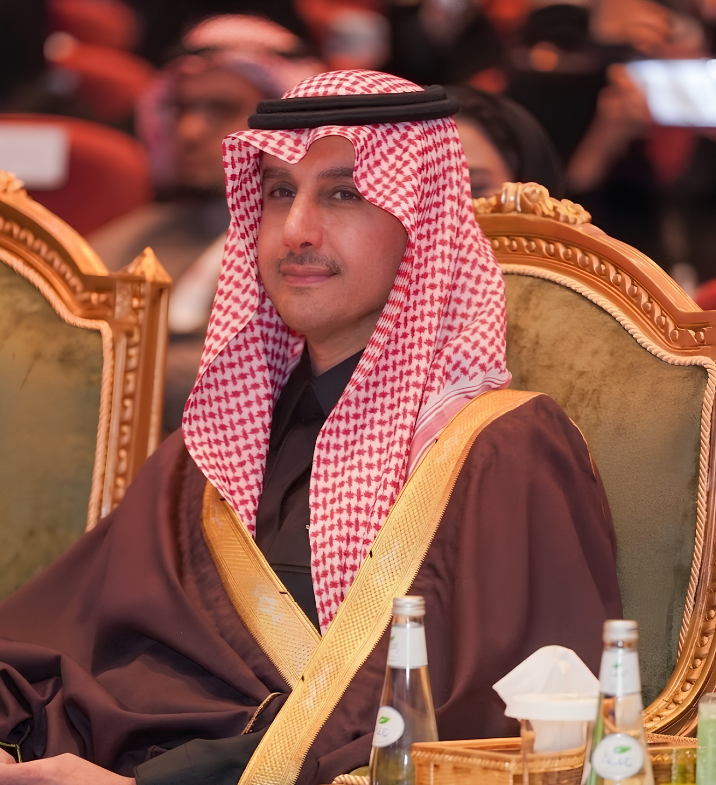
“Efficiency,” he said. “I dedicate time to each business every day. Focused energy and precision. I keep a selective approach to new commitments because excellence requires attention.”
“Success is about choosing the right people. But it is also about building talent from within. We celebrate both potential and experience at Sarat.”
Chocolate, Culture, and the Art of Storytelling
Among Sarat’s newer ventures is one that surprised us. The development of the Kingdom’s largest luxury chocolate hall in Bujairi Terrace, in the historic heart of Diriyah.
“This is more than chocolate,” Prince Saud said, with the closest thing to a smile he’d shown all afternoon. “It’s about storytelling through food. We’re collaborating with one of France’s oldest chocolatiers to create a multisensory experience. Chocolate mastery, live cooking, community engagement.”
The project includes masterclasses, culinary events, cafes, and retail, offering gourmet chocolate from accessible to ultra-luxury. It’s quietly exactly the kind of thing no one expected from a man whose name shows up on data infrastructure deals.
“It’s cultural diplomacy through taste and hospitality,” he said.
A Kingdom Already There
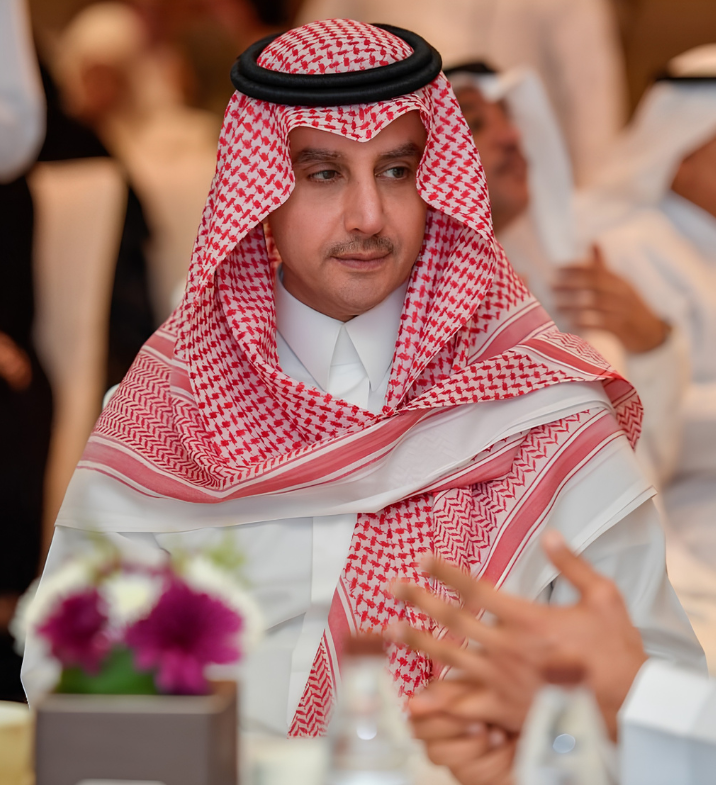
We are already achieving Vision 2030’s goals, years ahead of schedule. The new generation is more educated, more aware, and globally ready. Saudi Arabia is not adapting. It is leading,” Prince Saud told The Saudi Times.
When asked by The Saudi Times about advice for entrepreneurs, he was direct: “Everything you need is already here. The government, the private sector, and society all want to support innovation and shared success. Do not overcomplicate it. The pathways are open, transparent, and ready.”
“Work on yourself first,” he emphasized to The Saudi Times. “Knowledge is your greatest tool. Build it before anything else.”
A Final Word
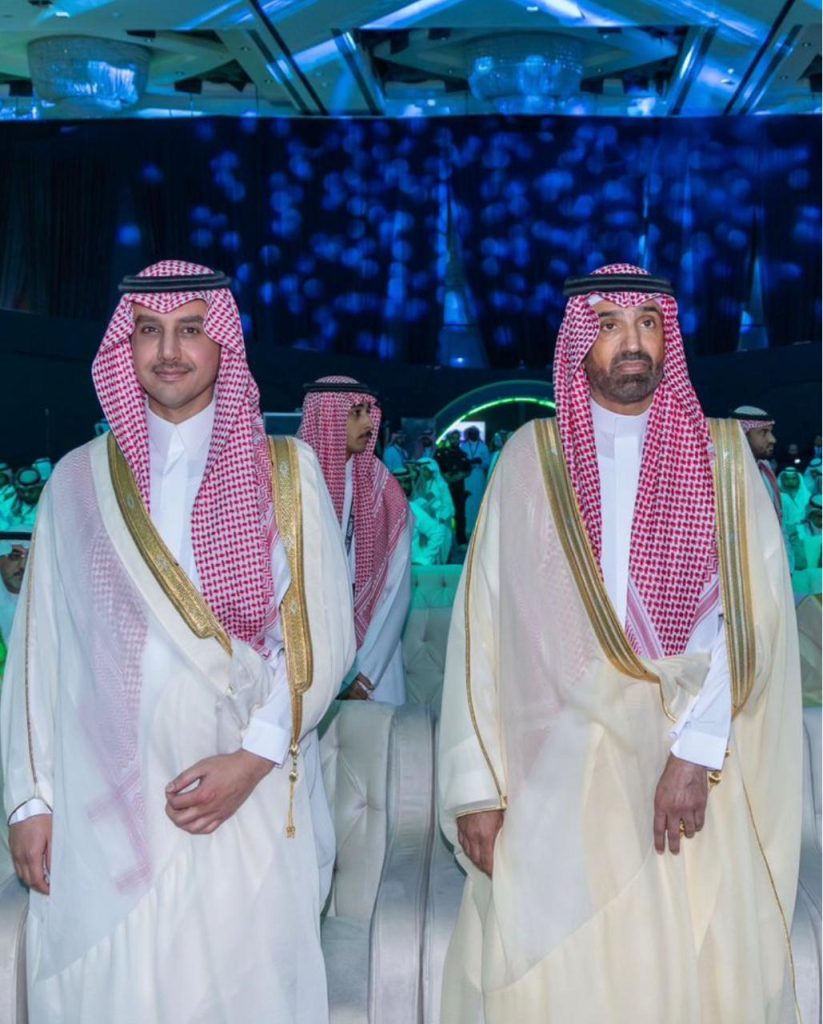
As the afternoon light settled over the garden and the interview wrapped up, Prince Saud left us with something that stayed with us long after we’d left his residence.
“We all know today, Saudi is the future,” he told The Saudi Times, matter-of-fact. “We’re living through historic momentum. This country isn’t just transforming. It’s leading. To anyone with ambition, creativity, and responsibility, I say: come to Saudi Arabia. Our future needs you.”
He paused, then added: “I want to thank The Saudi Times for showing the world the true story of Saudi Arabia. A country of progress, dignity, vision, and values.”
“I feel blessed to be part of this arena.”
It was a gracious ending from a man who rarely seeks the spotlight. And maybe that’s exactly why it hits so hard. Saudi Arabia’s invitation to the world isn’t an announcement anymore. It’s already happening. And men like His Highness Prince Saud bin Abdulaziz bin Fahd Al-Farhan Al-Saud are why.
This is what royal leadership looks like when it’s not trying to be seen. Prince Saud doesn’t give speeches about change, he just changes things. He doesn’t talk about compassion, he builds entire cities for families with autism. He doesn’t debate the future, he invests in it, from data centers to chocolate halls, from gas pipelines to Nobu hotels. The military discipline that earned him that trophy decades ago now runs through everything he touches. But it’s wrapped in something else: a deep understanding that real power moves quietly, that true influence doesn’t need a megaphone.
In a Kingdom sprinting toward tomorrow, the quiet prince isn’t trying to keep up. He’s already there, laying the groundwork for what comes next. And that’s the thing about leaders who shape rooms before entering them, by the time you notice what they’ve built, they’re already building something else.