

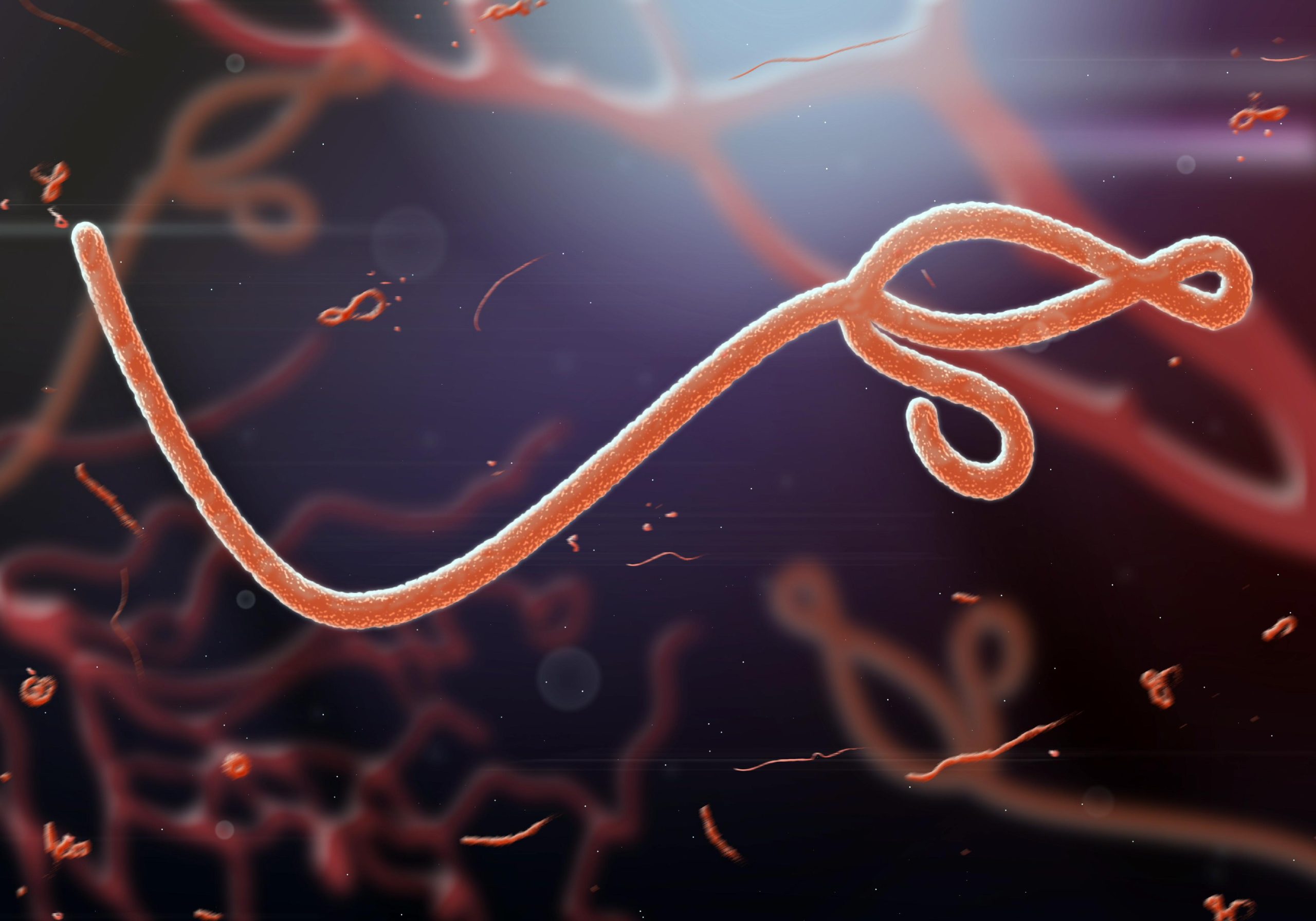
World Health Organization has warned that the current Ebola outbreak in Central Africa had been spreading silently for months before the first confirmed case was officially detected, raising concerns about wider transmission and increasing difficulties in containing the disease.
According to WHO officials, the virus had already been circulating within local communities for several months before the first confirmed infection was identified on May 15, allowing the outbreak to spread without sufficient health monitoring or early intervention.
Hundreds of Suspected Cases and Deaths
The World Health Organization has recorded nearly:
- 600 suspected cases.
- 139 deaths linked to the outbreak.
Cases have primarily been reported in Democratic Republic of the Congo and Uganda.
Researchers from Imperial College London and WHO estimate that the actual number of infections could exceed 800 cases and may reach 1,000 in the worst-case scenario.
Rare Ebola Strain Without Treatment or Vaccine
Health experts are particularly concerned because the outbreak involves the rare “Bundibugyo” strain of Ebola, for which there is currently no approved treatment or dedicated vaccine.
Existing Ebola vaccines developed by:
- Merck
- Johnson & Johnson
were designed mainly to combat the more common and deadly “Zaire” Ebola strain rather than the current variant.
Fatality Rate Could Reach 50%
Professor Joanne Liu of McGill University said the situation resembles the global Ebola crisis between 2014 and 2016, when no targeted treatments or vaccines were available.
She warned that the Bundibugyo strain carries a fatality rate ranging between 30% and 50%, posing a major threat to already fragile healthcare systems across affected regions.
Concerns Over Continued Spread
Tedros Adhanom Ghebreyesus stated that infection numbers are expected to continue rising due to the prolonged undetected spread of the virus before its official discovery.
WHO advisory teams are currently discussing vaccine development priorities and possible protective measures for frontline healthcare workers facing high infection risks during the outbreak.
A Renewed Global Health Challenge
The outbreak serves as another reminder of the growing global challenges posed by infectious diseases and epidemic preparedness, especially in regions with weak healthcare infrastructure and limited early detection capabilities.