


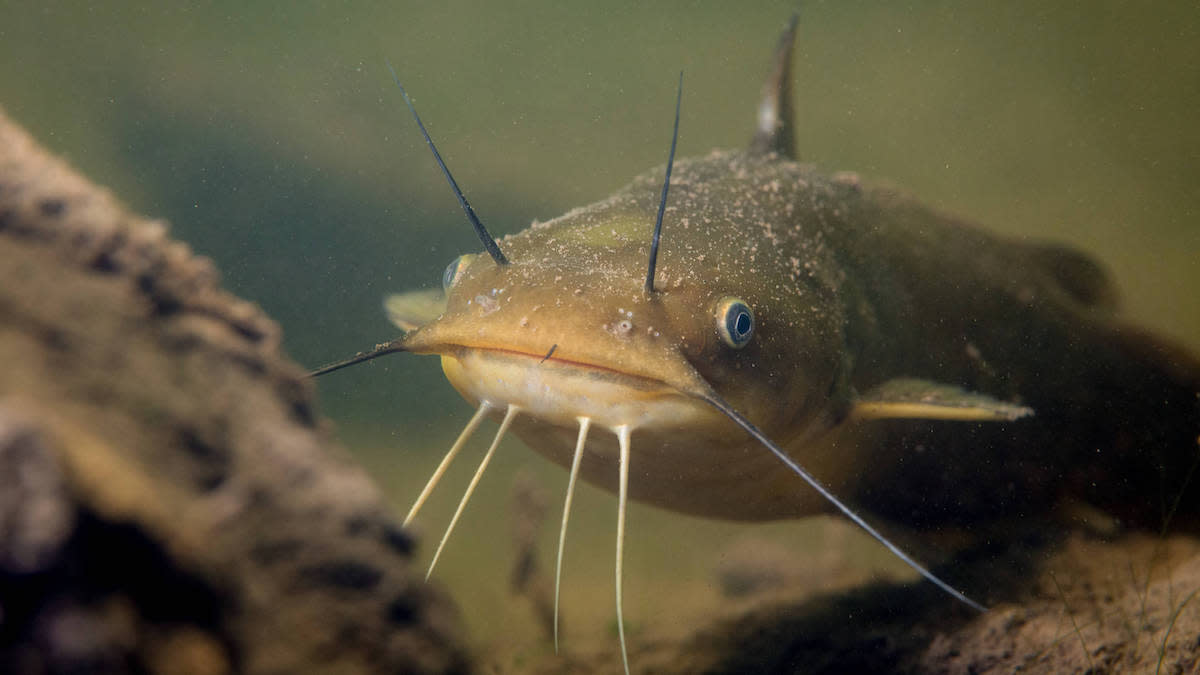
Scientists have identified the fourth known contagious cancer in the world—and the first ever documented in freshwater fish—after discovering that living cancer cells can spread directly between brown bullhead catfish.
The findings, published in the journal Nature, reveal an exceptionally rare form of cancer transmission in which the cancer cells themselves act as the infectious agent rather than a virus or bacterium.
A Mystery That Began in a Lake
The discovery traces back to 2012, when researchers found brown bullhead catfish with unusual black lesions in Lake Memphremagog, which spans the United States and Canada.
Within a few years, similar tumors appeared in 25% to 40% of the lake’s brown bullhead population, prompting an extensive scientific investigation.
Researchers initially suspected pollution or infectious pathogens, but years of genetic sequencing failed to identify any virus, bacterium, or environmental contaminant responsible for the disease.
Living Cancer Cells Spread the Disease
Genetic analysis revealed that the tumors shared nearly identical DNA while remaining genetically distinct from the fish carrying them.
The evidence showed that the cancer itself is clonal—meaning living cancer cells move from one fish to another and continue growing inside a new host.
This makes it one of only a handful of contagious cancers ever identified in nature.
Beyond a Single Lake
Additional surveys detected the disease in multiple freshwater locations across the United States and Canada, suggesting the cancer has spread well beyond its original discovery site.
Scientists believe human activity, including the movement of fish or contaminated equipment between waterways, may have contributed to its geographic expansion.
Why the Discovery Matters
Researchers emphasize that there is no evidence this cancer can infect humans, and the disease appears limited to specific freshwater fish species.
However, the discovery provides valuable insight into one of biology’s rarest phenomena and could help scientists better understand how cancers evolve, spread, and survive in living organisms, while also supporting future wildlife disease monitoring and conservation efforts.