


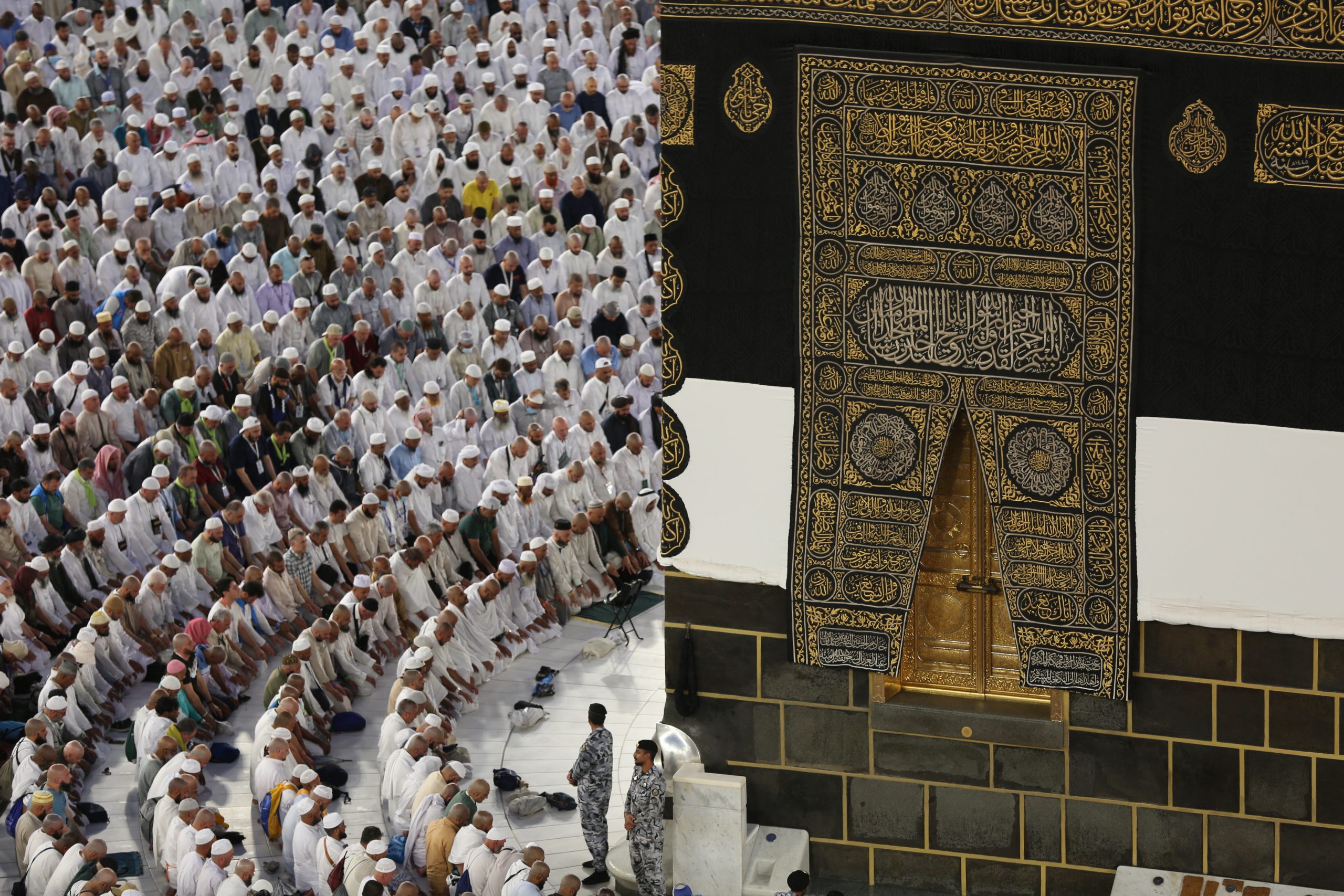
Saudi authorities reviewed the latest security, health, transportation, and logistics preparations for Hajj during the second press briefing held by the Unified Hajj Media Operations Center.
Spokespersons from the ministries of interior, health, and transport highlighted key operational updates aimed at ensuring a smooth and safe pilgrimage season.
The Ministry of Interior confirmed the smooth arrival of pilgrims through all entry points, including pilgrims arriving from 10 countries under the Makkah Route initiative, as well as the successful transfer of pilgrims to Mina for the Day of Tarwiyah.
Security authorities said artificial intelligence and advanced technologies were used to monitor entry points and manage crowds, leading to the arrest of 231 illegal transport operators and 246 fake Hajj campaigns, alongside a noticeable decline in regulatory violations.
The Ministry of Health announced that the health situation remains stable and free from epidemics, revealing that more than 1.09 million healthcare services have been provided so far.
These services included 28,817 emergency cases, 222 cardiac catheterizations, 13 open-heart surgeries, and hundreds of additional medical procedures.
Preventive measures such as misting systems, shaded walkways, and drone delivery of medical supplies within five minutes helped reduce heat stress risks, with all 28 reported heat exhaustion cases making full recoveries.
Meanwhile, the transport and logistics sector activated more than 100 operational plans supported by over 46,000 personnel, while air operations provided 2 million seats across 12,000 flights.
Land transportation operations included 33,000 inspected buses and 5,000 taxis serving pilgrims, while the Haramain High Speed Railway increased capacity by 11 percent to serve 2.2 million pilgrims.
The Al-Mashaaer Al-Mugaddassah Metro also transported around 2 million pilgrims, with adjusted schedules designed to speed movement between Mina and Arafat.
Logistics operations additionally handled 1.2 million tonnes of cargo, processed 2.6 million livestock, and delivered 470,000 bags to 380,000 pilgrims under the “Hajj Without Luggage” initiative.
Infrastructure upgrades also included road-cooling technologies near railway stations and the testing of a self-driving bus near Quba Mosque in Madinah.














