


Saudi Arabia’s Heritage Commission has announced the results of the fourth excavation season at the Hulayit Archaeological Site in Al-Dawadmi, revealing significant architectural and archaeological discoveries that reinforce the site’s status as one of the Arabian Peninsula’s earliest gold mining centers.
According to the commission, archaeologists uncovered parts of a complete early Islamic settlement featuring a mosque, marketplaces, and workshops, demonstrating that Hulayit was not only a gold mining location but also a thriving community with active commercial and economic life more than 1,300 years ago.
The excavation also revealed 18 architectural units, along with a carved stone weight marked “Ratl” (a historical unit of measurement), providing evidence that standardized commercial weighing systems were already in use during that period.
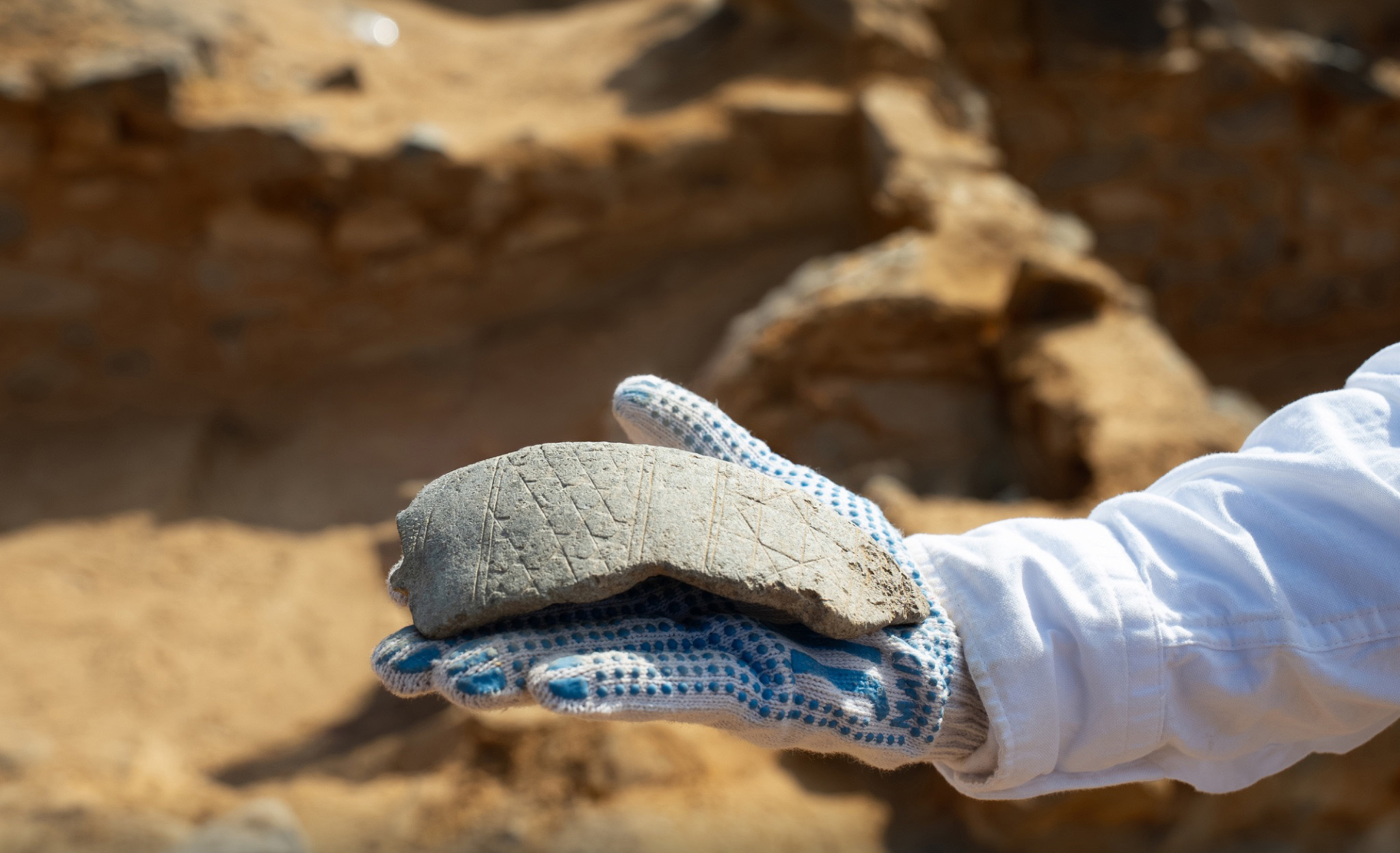
Researchers also discovered pottery, stone and glass artifacts, jewelry, and personal ornaments, offering valuable insights into the daily lives of the settlement’s inhabitants and the industries connected to gold mining, trade, and craftsmanship.
The Heritage Commission stated that these findings provide a deeper understanding of early Islamic mining and commercial activities while highlighting Hulayit’s importance as both a production center and a permanent settlement that contributed to regional economic development.
The discoveries form part of the Kingdom’s broader efforts to preserve archaeological heritage, document its rich history, and promote cultural tourism in line with Saudi Vision 2030, which places strong emphasis on protecting and showcasing the nation’s historical and cultural legacy.














