

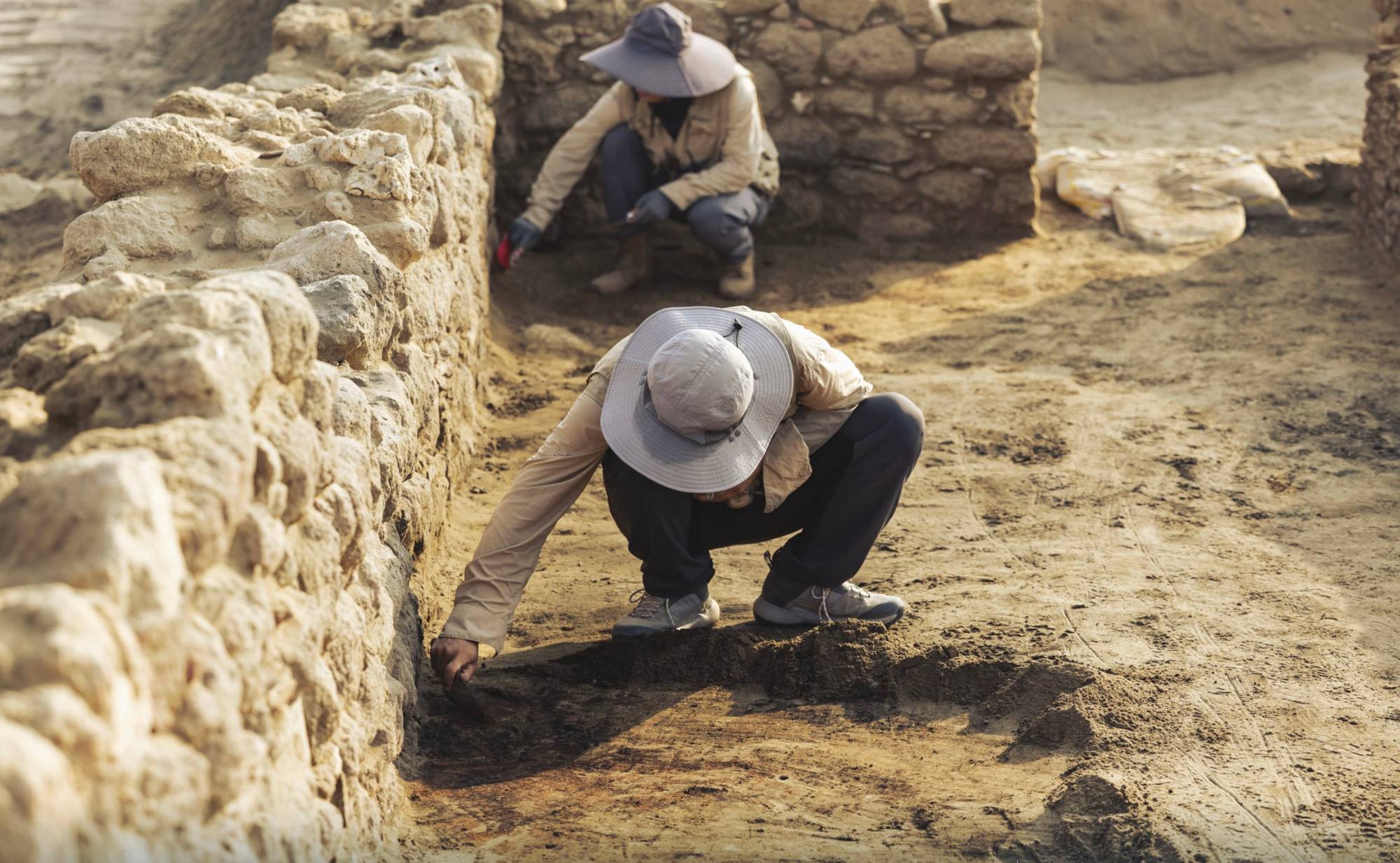
Saudi Arabia’s Heritage Commission has announced the findings of the fourth archaeological season at the Al-Serrain site in Al-Lith governorate, within the Makkah region — uncovering a striking array of discoveries that paint a vivid picture of an ancient coastal city at the heart of global trade.
The announcement, made through the Saudi Press Agency on Tuesday, marks the latest chapter in an ongoing joint mission with China’s National Cultural Heritage Administration, a partnership that has grown into one of the most significant bilateral heritage collaborations in the region.
An Ancient Port City Comes to Life
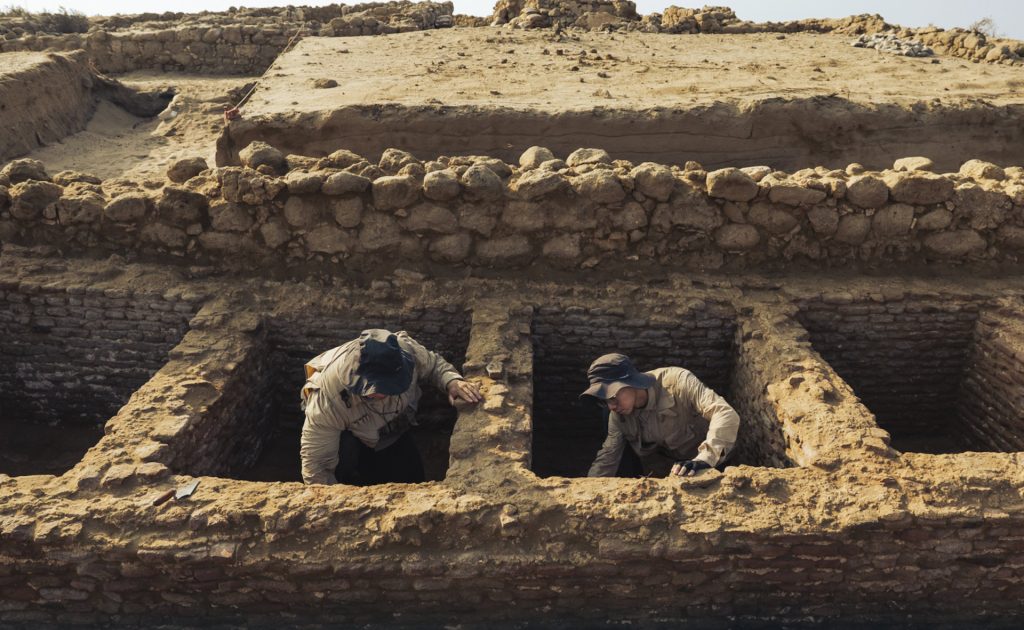
Excavations during the fourth season revealed structural extensions across multiple areas of the site, with researchers uncovering residential units, service facilities, storage rooms, and pottery kilns that reflect the rhythms of everyday life more than a thousand years ago.
Among the most significant finds were the remains of a mosque on the southwest side of the site, alongside a wall structure encircling the settlement along its southern, northern, and western perimeters. The discovery allows historians to better understand the spatial organisation and urban boundaries of what was once a thriving port settlement.
Artifacts recovered during the season included pottery in a wide range of forms, clay incense burners, stone tools, agate beads, and glass fragments. Organic materials such as shells and animal bones were also documented, offering deeper insight into the dietary and commercial patterns of the site’s inhabitants.
A Chinese Jar Fragment from the Song Dynasty
The standout discovery of this season was a fragment of a Chinese ceramic jar bearing the remnants of a decorative stamp with Chinese characters, traced back to the Northern Song Dynasty, which flourished between 960 and 1127 CE.
The artifact is considered direct archaeological evidence of active trade between southern China and the Red Sea coast during the Islamic era — a physical link in the chain of a maritime Silk Road that connected Arabia to East Asia centuries before the modern world.
Heritage authorities described the find as a remarkable indicator of the depth of Al-Serrain’s commercial reach, placing the site firmly within a network of civilisations that spanned continents.
A Key Node on the Maritime Silk Road
The Al-Serrain site is believed to have been one of the most prominent ports on the Red Sea coast, with its peak of cultural and economic activity occurring during the fourth and fifth Islamic centuries — roughly corresponding to the tenth and eleventh centuries CE.
Situated at the mouth of a seasonal valley in Al-Lith, the site benefited from a natural geography that made it well-suited for human settlement, trade, and navigation. It served as a connecting point between Yemen, Makkah, East Africa, and the ports of East Asia, functioning as a hub in the broader Islamic maritime trading network.
Urban and commercial activity at Al-Serrain is traced back to the third Islamic century, when the city began attracting merchants and travellers from across the known world.
Continuing Excavations and Future Seasons
The Heritage Commission has confirmed that excavation and study work at Al-Serrain will continue in future seasons, with the aim of building a comprehensive scientific record of the site’s history. The commission seeks to establish a fuller understanding of the settlement patterns and urban development that shaped this part of the Red Sea coast.
The joint Saudi-Chinese mission reflects Saudi Arabia’s approach to heritage as a matter of global interest — one that draws on international expertise and contributes to a shared understanding of human history. The Kingdom continues to emerge as one of the most archaeologically significant countries on the planet, with discoveries appearing across its vast territory season after season.