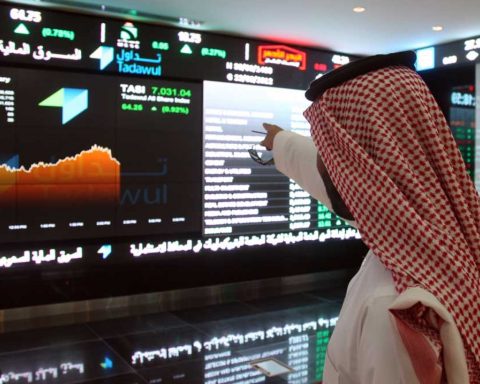


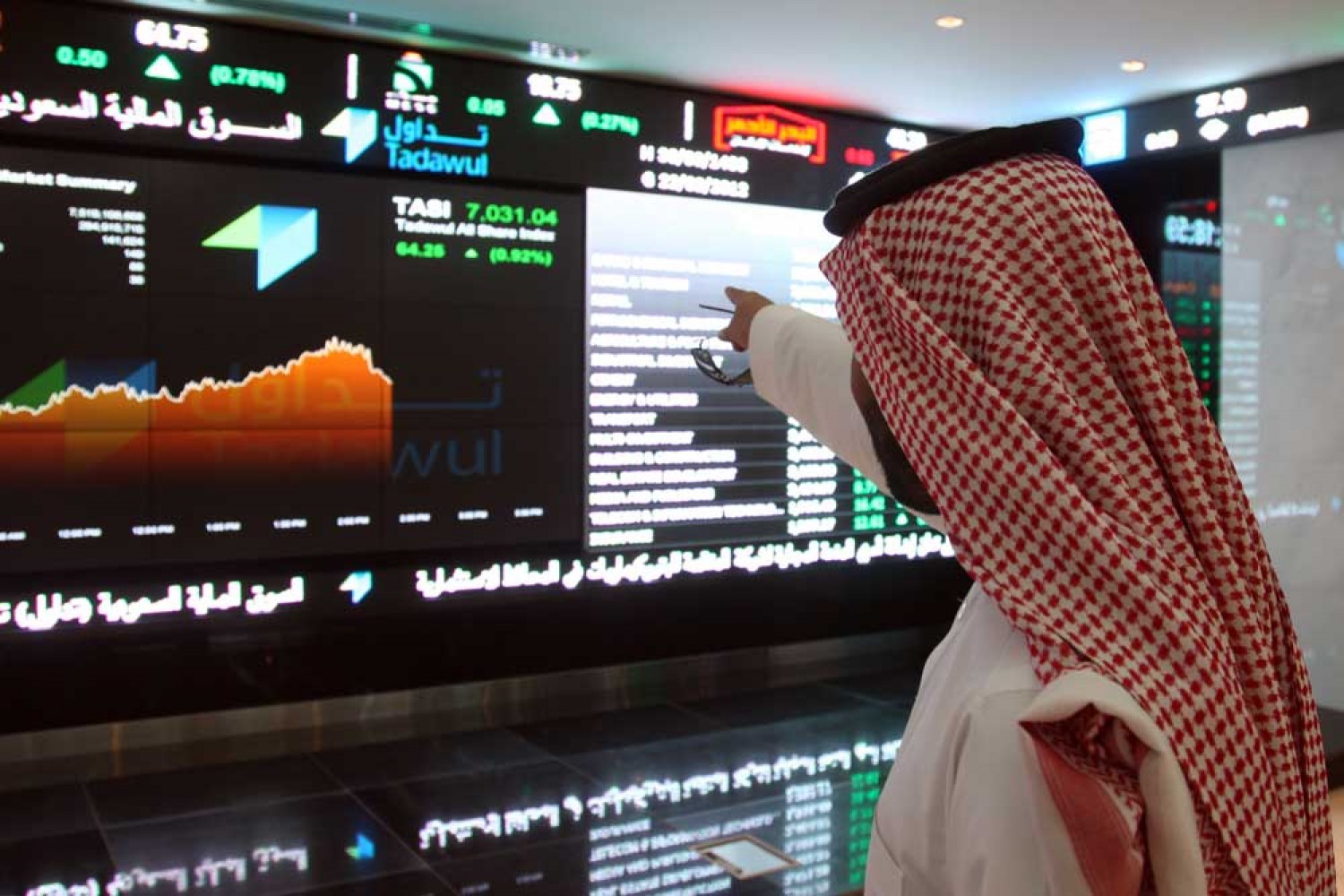
Saudi Arabia’s benchmark stock index continues to reflect the resilience of the Kingdom’s economy, with the Tadawul All Share Index — known as TASI — posting a gain of 5.52 percent over the past month as of mid-April 2026. The index was trading in the vicinity of 11,554 points, consolidating gains that extend across a broad range of sectors tied to the Kingdom’s ongoing diversification drive.
Monday’s trading session opened a fresh week of market activity, with participants reacting to a combination of corporate disclosures, macroeconomic data, and regulatory developments that have kept sentiment constructive heading into the latter half of April.
A Market Reflecting Economic Confidence
The monthly advance positions the TASI among the stronger-performing exchanges in the Gulf during the period. Breadth of participation across sectors has been a notable feature, with the financial, consumer, and energy segments all contributing to the index’s upward trajectory over recent weeks.
Saudi Arabia’s financial sector has been a particular focus for investors, buoyed by data showing the wider credit system in an expansionary phase. The Kingdom’s non-bank lending sector reached SR99.37 billion in outstanding credit, with segments including auto financing, residential real estate, and credit facilities all recording double-digit annual growth rates. The Saudi Central Bank, known as SAMA, has played an active role in supporting that expansion through regulatory reform and new licensing frameworks.
Saudization and Earnings Drive Market Focus
Today marks a significant date on the Saudi labor market calendar. The Ministry of Human Resources officially activated a 60-percent Saudization requirement across 20 professions in the marketing and sales sector — a development that carries direct implications for publicly listed companies with large consumer-facing workforces. Investors in retail and marketing-heavy names are monitoring how major companies plan to adjust their hiring structures in the months ahead.
On the earnings front, Jarir Marketing’s disclosure of SR253.5 million in net profit for the first quarter of 2026 provided a positive data point for the broader consumer and retail segment within the index. The result, which reflected growing e-commerce penetration that now exceeds 30 percent of total sales, underscored the continued ability of Saudi consumer companies to generate value in an evolving market environment.
PIF Strategy as a Structural Market Anchor
Analysts and institutional investors frequently point to the Public Investment Fund as a structural support for the TASI over the medium and long term. The PIF’s approval of a sweeping 2026-2030 strategy — targeting the development of six key economic ecosystems across technology, logistics, tourism, and advanced industries — reinforces the scale of sovereign capital commitment to the domestic economy.
With the fund’s continued deployment of capital into local markets, and an international investor base that has expanded significantly since the Capital Market Authority abolished the Qualified Foreign Investor framework in February 2026, the structural underpinning for Saudi equities remains intact. The TASI’s performance through April reflects a market processing genuine economic transformation — a distinction that matters to long-term investors looking at the Kingdom’s trajectory toward 2030 and beyond.