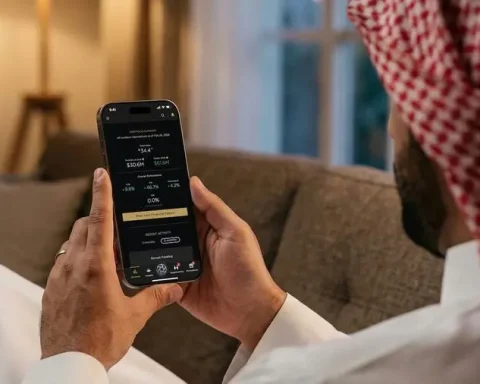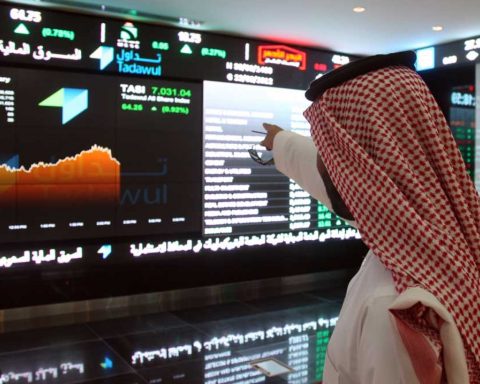

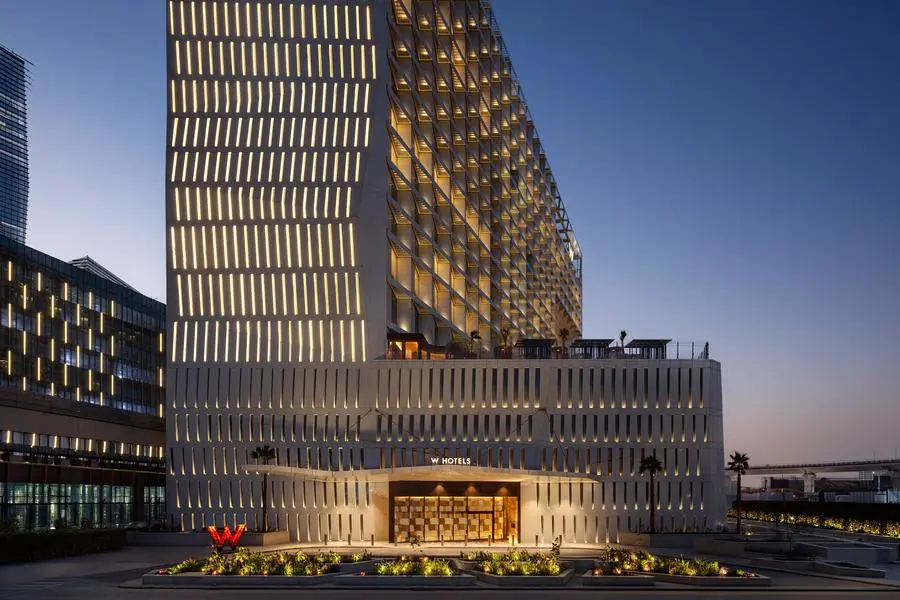
Saudi Arabia’s hospitality industry is entering peak season on a high note. During the week of April 13 to 19, hotel transactions across the Kingdom climbed to SR295 million — equivalent to approximately $76.8 million — marking a 2.2 percent increase from the previous week, according to the latest point-of-sale data released by the Saudi Central Bank. The 677,000 transactions logged during that period represented a 2.4 percent increase in volume, reflecting a broad surge in domestic and international visitor activity across the Kingdom.
The figures come as April brought an unusually dense calendar of high-profile events to cities across the Kingdom, drawing tourists, sports fans, and culture seekers in considerable numbers.
Formula 1 Returns to Jeddah
The Formula 1 Saudi Arabian Grand Prix returned to the Jeddah Corniche Circuit this weekend, transforming the coastal city into one of motorsport’s most glamorous stages once more. McLaren’s Oscar Piastri delivered a commanding performance to seal victory in a race that drew tens of thousands of visitors to Jeddah. Alongside the track action, Jennifer Lopez headlined a concert series that attracted audiences well beyond the motorsport community, adding a multi-layered entertainment dimension to a weekend that has become one of Saudi Arabia’s flagship annual events.
Since its inauguration on the Saudi events calendar, the Formula 1 Grand Prix has evolved into a powerful driver of tourism activity, generating significant ripple effects across hospitality, retail, and entertainment in Jeddah and the surrounding region.
A Week Rich in Cultural and Athletic Events
The hospitality sector’s performance was not built on racing alone. Dammam hosted the Asian U18 Athletics Championships from April 15 to 18, drawing regional athletic talent and spectators from across the continent. The AFC U-17 Asian Cup also reached its closing stages on April 20, delivering high-stakes youth football that kept Saudi sports fans engaged throughout the week.
In Dammam, the Saudi Film Festival ran from April 17 to 23, providing a dedicated platform for local and regional cinema and attracting industry professionals and audiences alike. Simultaneously, the Islamic Arts Biennale in Jeddah continued to draw art collectors, curators, and cultural tourists from the Arab world and beyond, cementing the city’s growing reputation as a hub for cultural expression.
What the Numbers Reflect
The Central Bank data offers a concrete measure of how Saudi Arabia’s events-driven tourism model is beginning to generate real economic output. Hotel spending growth during a single week — fuelled by deliberate programming rather than seasonal factors alone — underscores the effectiveness of the Kingdom’s approach to positioning itself as a global destination for world-class events.
While hospitality outperformed week-on-week, other consumer sectors recorded mixed results. Restaurant and café spending dipped 4.6 percent, while telecom and jewelry categories contracted more sharply — trends consistent with consumers prioritising travel and event experiences over discretionary retail during high-activity periods. Construction and building materials offered a notable exception, posting a modest 1.78 percent rise in spending value, reflecting continued momentum in infrastructure and real estate development.
With the Hajj season approaching and the FIFA World Cup set for June 2026, Saudi Arabia’s hospitality sector is entering its most consequential stretch of the year. April’s strong showing suggests the infrastructure, the programming, and the appetite are all firmly in place.