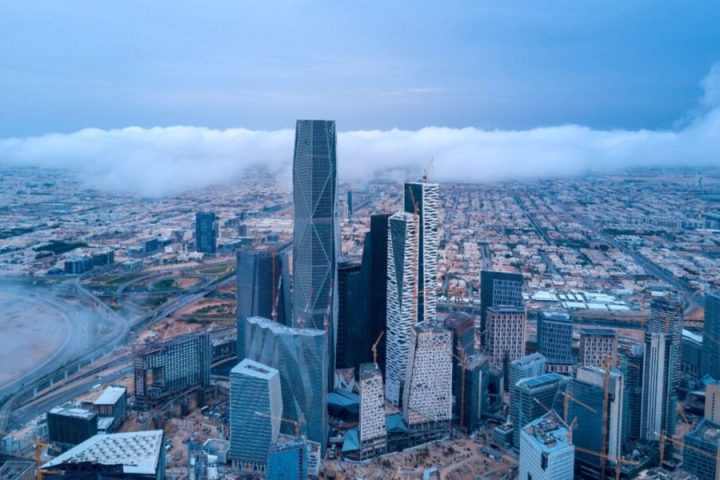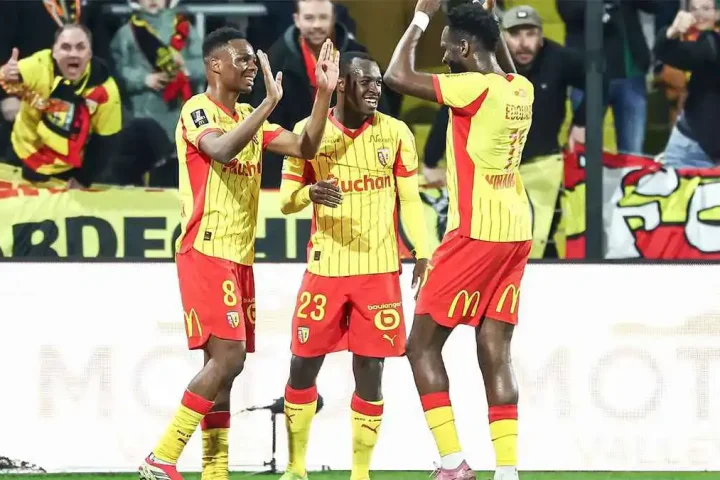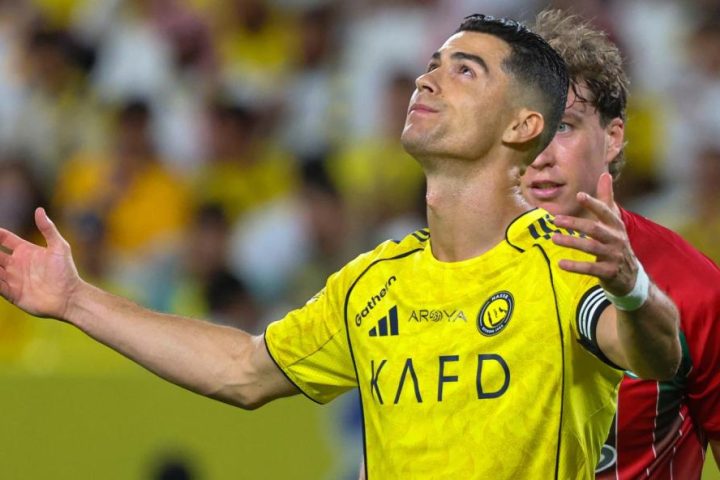


Saudi Arabia has firmly established itself as one of the world’s most active sporting destinations, and the economic ambitions backing that transformation are equally formidable. A report by PwC Middle East projects the Kingdom’s sports market will triple in value to $22.4 billion by 2030, generating 39,000 new jobs and contributing $13.3 billion to gross domestic product.
The figures reflect a sustained and deliberate national effort to build a sporting ecosystem capable of standing alongside the world’s most developed markets. At the heart of that effort is Vision 2030, which has designated the sports sector as a core pillar of economic diversification and quality of life.
From Aspiration to Infrastructure
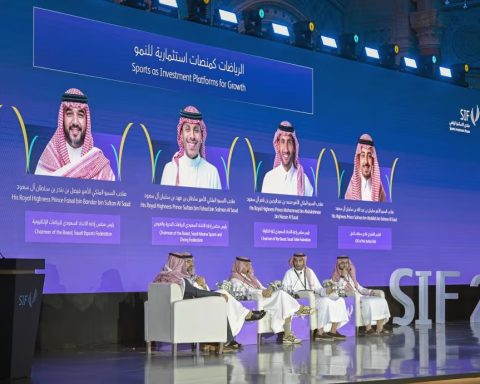
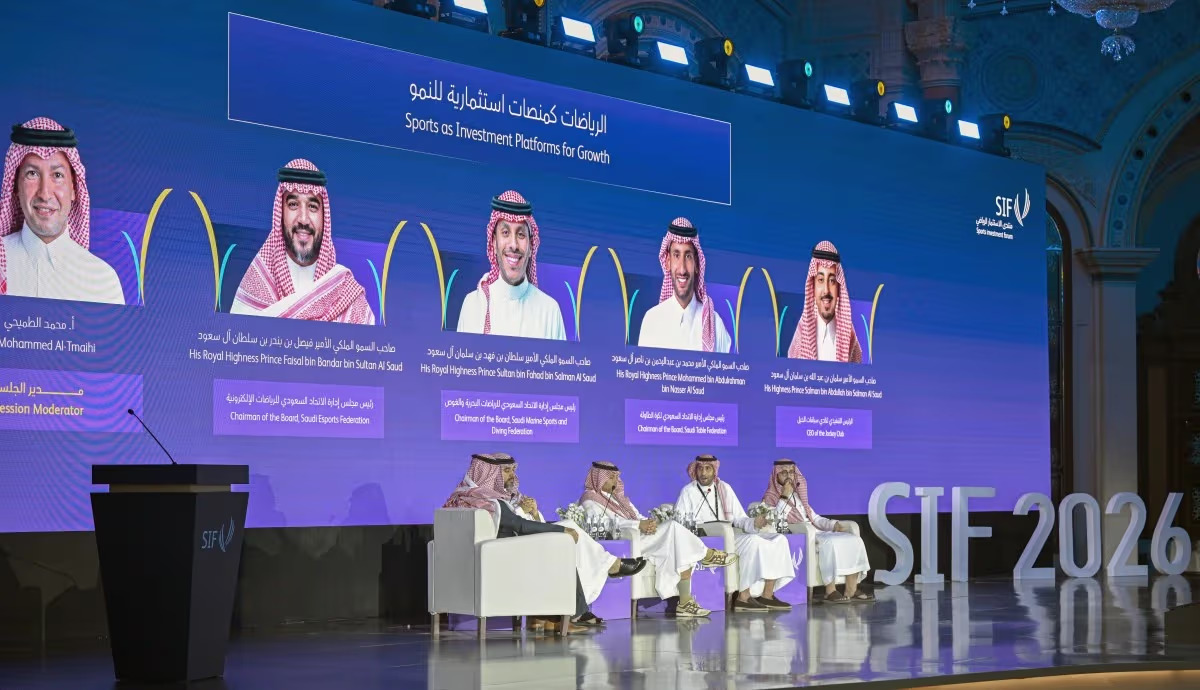
The data underscores just how far the sector has come. When Vision 2030 launched in 2016, the Saudi sports market was valued at less than SR5 billion. By April 2025, speaking at the Sports Investment Forum in Riyadh, Saudi Arabia’s Assistant Minister of Investment Ibrahim Al-Mubarak confirmed that figure had grown to SR32 billion — representing a more than sixfold increase in under a decade.
Nicolas Mayer, PwC Middle East partner and tourism, sports and entertainment leader, credits that growth to consistency and clarity of purpose. “Saudi Arabia has been very clear about what it wants to build in sport and, just as importantly, it has stayed consistent in how it goes about it,” he said. “Rather than chasing headlines in isolation, there has been a sustained focus on governance, infrastructure, talent pathways and delivery capability.”
A Calendar That Competes Globally
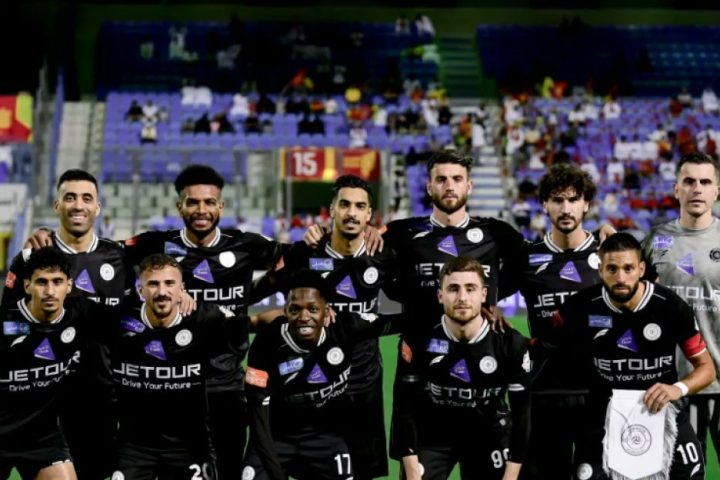
The breadth of Saudi Arabia’s sporting calendar is a deliberate part of the strategy. Football, boxing, motorsport, and esports each bring different audiences, commercial structures, and broadcast reach — and together they form a year-round platform that Samir Imran, Arthur D. Little’s global head of sports, says is beginning to rival established markets across the region.
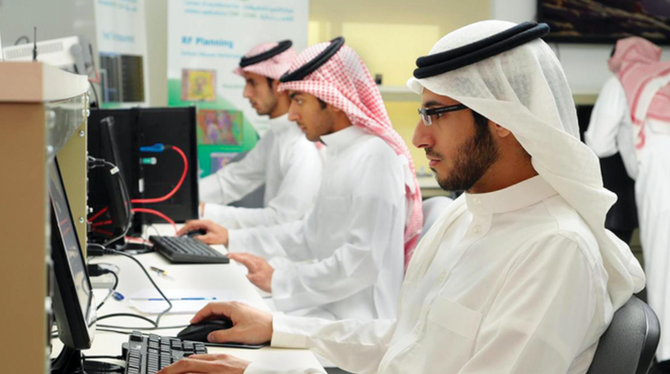
The Kingdom is gearing up to host the 2029 Asian Winter Games and the 2034 FIFA World Cup, events that will require world-class infrastructure and a skilled domestic workforce. Experts argue that the economic impact will extend well beyond the stadiums themselves. “As events recur and scale, skills become transferable, local businesses professionalize and new specializations emerge,” said Mayer. “This strengthens SMEs, deepens domestic capability and supports job creation that is more resilient than one-off event impacts.”
Participation as the Next Frontier
A separate report by Oliver Wyman identified what may be the sector’s single greatest growth opportunity: the gap between content consumption and active participation. Across the Middle East, 85 percent of the population regularly consumes sports content, yet only 30 percent actively participates in sport. That disparity represents a $75 billion economic opportunity in the region — one Saudi Arabia is positioned to capitalize on more than any other market.
“Saudi Arabia’s young population with a strong affinity for sport is shaping domestic demand across participation, spectatorship, and digital engagement,” said Anil Singh, chief business officer at TASC Outsourcing. Programs to upskill Saudi talent, recruit international specialists, and build community-level sporting infrastructure are all part of a framework designed to convert spectators into active participants.
Building for the Long Term
The private sector is being actively drawn into this expansion. The Ministry of Sports has initiated steps to privatize stadiums and football clubs, creating commercial sustainability alongside public investment. Recurring revenues — from ticketing, sponsorship, media rights, and memberships — are seen as the foundation for a self-sustaining sports economy that does not depend on state support alone.
With the 2034 World Cup as a visible horizon and over a decade of Vision 2030 investment behind it, Saudi Arabia’s sporting sector is no longer a showcase — it is an economic engine being built to run long after the final whistle.