


Saudi Arabia has reaffirmed its commitment to building a more inclusive and sustainable future of work through the responsible use of artificial intelligence during its participation in the 114th International Labour Conference in Geneva.
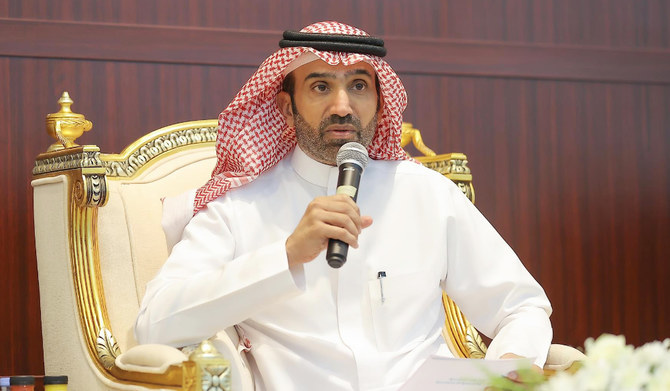
Speaking at the conference’s plenary session, Minister of Human Resources and Social Development Ahmed Al-Rajhi emphasized that the success of technological transformation should not be measured solely by innovation itself, but by how effectively societies invest in people, develop skills, protect workers, and create opportunities through emerging technologies.
AI as Both an Opportunity and a Challenge
Al-Rajhi noted that artificial intelligence offers significant opportunities to improve productivity, enhance labor market efficiency, and drive innovation across industries.
At the same time, he stressed that AI presents challenges that require balanced policies and responsible regulations to protect workers while maximizing the benefits of technological advancement.
According to the minister, the future of work will not be shaped by technology alone, but by the ability of governments and institutions to prepare their workforce for changing job requirements and create sustainable employment opportunities.
2026 Designated as the Year of Artificial Intelligence
The minister highlighted Saudi Arabia’s decision to designate 2026 as the Year of Artificial Intelligence, reflecting the Kingdom’s commitment to leveraging advanced technologies to support economic growth, improve quality of life, and strengthen global competitiveness.
This initiative aligns with the goals of Saudi Vision 2030, which seeks to build a knowledge-based economy driven by innovation, technology, and highly skilled talent.
National Initiatives for Workforce Development
Al-Rajhi outlined several national initiatives designed to prepare workers for rapid technological transformation.
Among them is the National Skills Platform, which uses artificial intelligence to provide personalized learning pathways and advanced skills assessments, helping individuals acquire competencies required for future careers.
He also highlighted the Saudi Classification of Skills and Occupations, a framework designed to align workforce capabilities with evolving labor market demands and emerging industries.
AI Supporting Labor Protection
Saudi Arabia is also utilizing AI technologies to strengthen labor compliance and safeguard workers’ rights.
The minister explained that predictive analytics and digital monitoring systems help identify risks, detect violations early, and improve the efficiency of labor inspections, creating a more transparent and secure working environment.
Qiwa Platform Driving Digital Transformation
One of the Kingdom’s most notable digital initiatives is the Qiwa platform, which utilizes generative AI technologies to deliver services to more than two million establishments and over 12 million private-sector workers.
The platform forms part of broader labor market reforms that include the Labor Market Strategy, Wage Protection Program, and several initiatives aimed at enhancing workforce development and improving the business environment.
The Need for Global Cooperation
Al-Rajhi stressed that international cooperation will be essential as artificial intelligence continues to reshape labor markets around the world.
He emphasized that countries must work together to exchange expertise, develop effective regulatory frameworks, and ensure that technological transformation benefits workers while protecting their rights and opportunities.
Saudi Arabia’s Growing Global Role
Saudi Arabia’s participation in the International Labour Conference reflects its growing role in shaping discussions on the future of work, workforce development, and responsible technology adoption.
Through continued investment in advanced technologies and human capital development, the Kingdom is positioning itself as a global leader in harnessing artificial intelligence to support economic growth, social progress, and a more sustainable future of work.














