


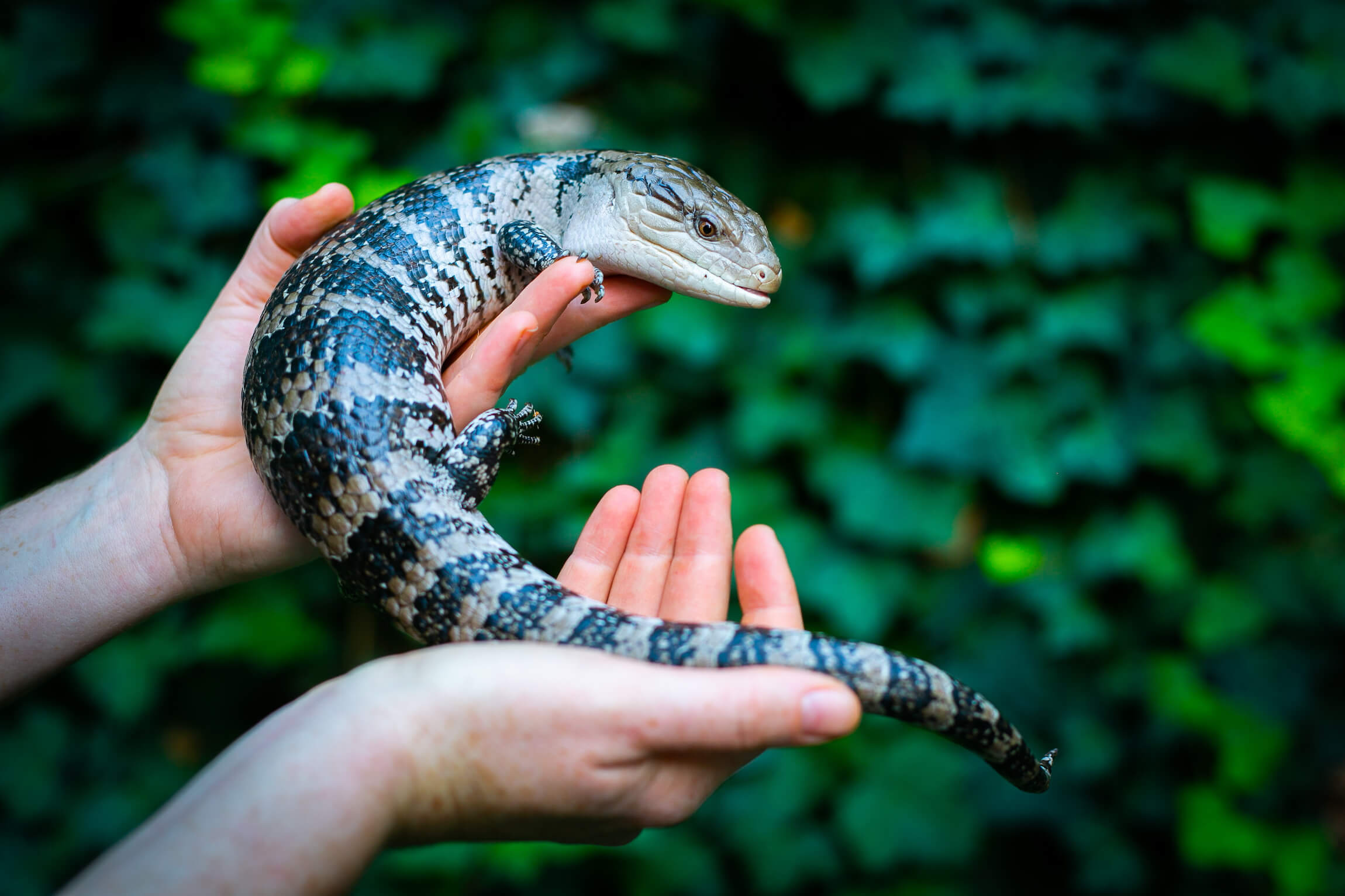
Saudi Arabia is home to 11 species of skinks, a diverse group of reptiles that have developed remarkable adaptations allowing them to survive across the Kingdom’s dunes, oases and plains.
Among the species found in the country are the sandfish, spotted sand skink and golden skink, according to the Saudi Press Agency.
Built for Life in the Sand
Skinks are characterized by streamlined bodies and smooth, shiny scales that help several species move efficiently through sandy environments.
Growing up to approximately 14 centimeters in length, the reptiles use clawed limbs and pointed snouts to navigate loose sand and burrow beneath the surface.
Sandfish Can Burrow 40 Centimeters Deep
One of the best-known species is the sandfish, famous for its ability to move beneath loose desert sand.
It can burrow as deep as 40 centimeters, helping it escape predators while also avoiding extreme temperatures at the desert surface.
Its distinctive underground movement resembles swimming, a characteristic that inspired the name “sandfish.”
Detecting Prey Beneath the Sand
Skinks are also capable of detecting vibrations produced by prey beneath the sand, giving them an effective hunting mechanism in an environment where potential food sources may remain hidden from sight.
Their diet includes insects, arachnids and plant matter, making them active participants in desert food webs.
An Important Ecological Role
By feeding on insects and other small organisms, skinks help regulate pest populations and contribute to maintaining ecological balance across the Arabian Peninsula.
The presence of 11 species across Saudi Arabia’s varied landscapes also highlights the biodiversity of the Kingdom and the remarkable ability of its wildlife to adapt to challenging desert conditions.