

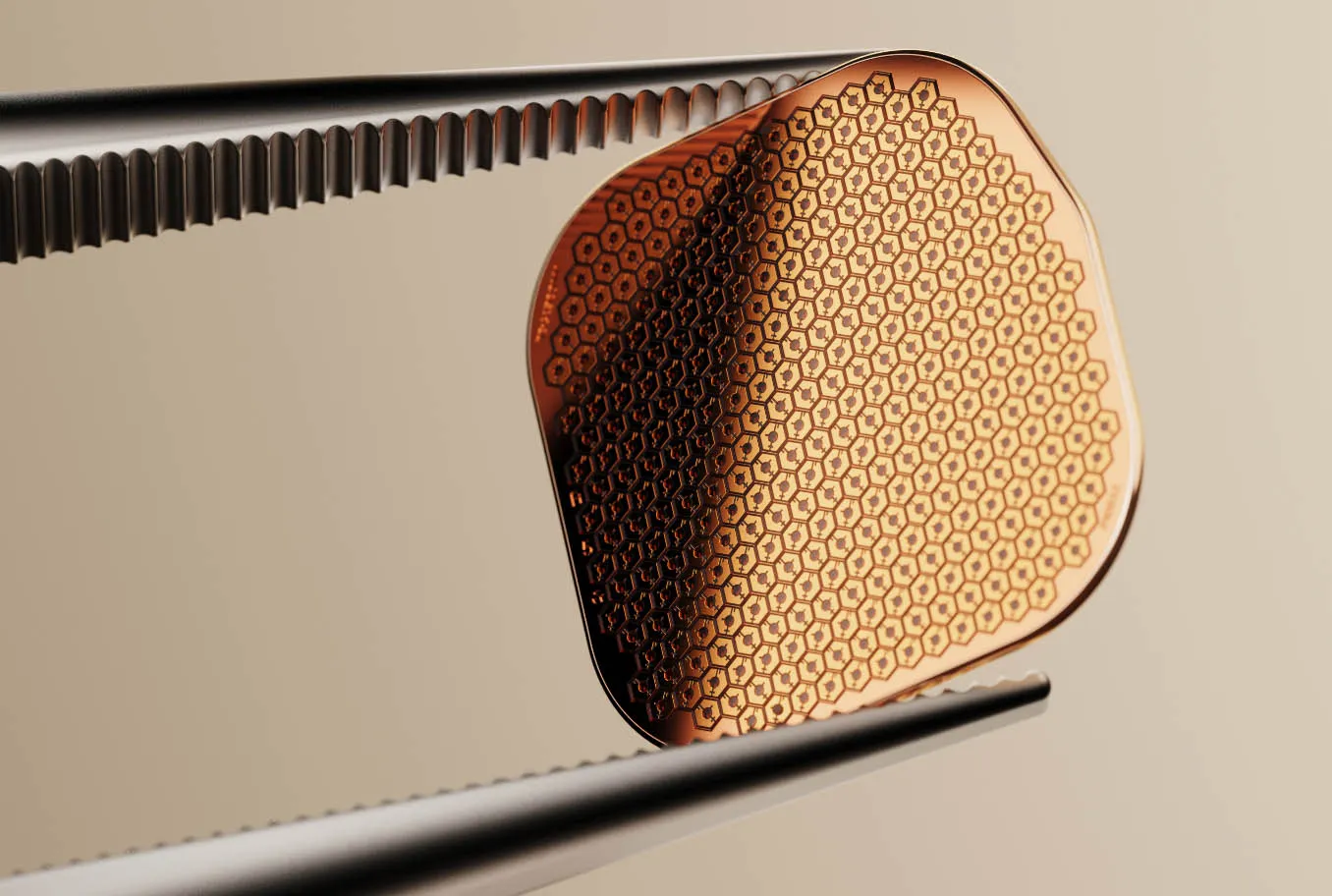
Science Corporation, a neurotechnology company developing brain-computer interface technologies, has received European regulatory approval for PRIMA, an electronic implant designed to help restore functional vision in patients affected by age-related macular degeneration.
The device has also received a special designation from the US Food and Drug Administration, potentially providing an accelerated regulatory pathway for its use in certain forms of blindness.
How Does PRIMA Work?
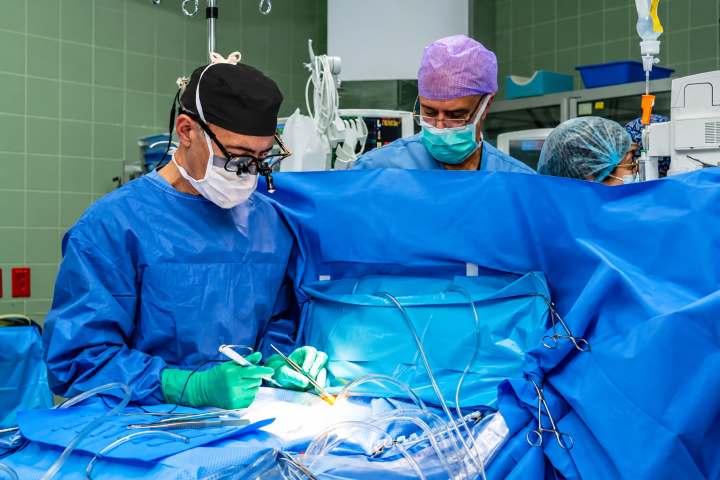
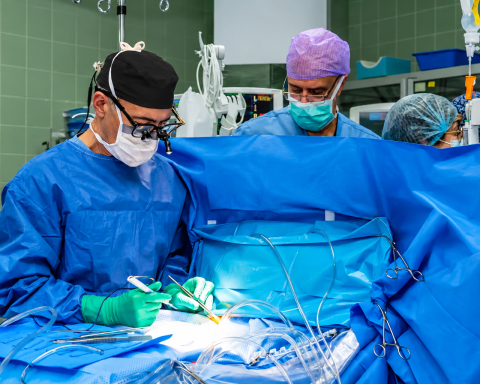
The PRIMA system combines a tiny electronic implant placed behind the eye with camera-equipped glasses.
The glasses capture images from the patient’s surroundings and transmit visual information to the implant, which stimulates the retina to provide functional vision.
According to the company, the implantation procedure takes approximately one hour.
Patients Regain the Ability to Perform Visual Tasks
Science Corporation founder and CEO Max Hodak said the technology has enabled some patients to regain abilities that had previously become extremely difficult.
One patient in France was reportedly able to read an entire 300-page novel, while others managed to complete crossword puzzles and Sudoku. Another patient was able to draw an image of the Sydney Opera House.
The technology should not be interpreted as restoring normal eyesight. Instead, it is designed to provide functional vision that may allow eligible patients to perform certain visual tasks again.
Founded by a Former Neuralink Co-Founder
Science Corporation was founded by Max Hodak, a former co-founder and president of Neuralink, who left the company in 2021 to pursue new approaches to neurotechnology.
Science Corporation acquired French company Pixium Vision in 2024, gaining access to the technology behind PRIMA and subsequently advancing the system toward regulatory approval and commercialization.
Commercial Rollout Could Begin in Germany
The company is preparing to make PRIMA available in Germany, where clinical trials were conducted, with the first commercial procedure potentially taking place as early as September.
Science Corporation is also negotiating with European insurers and healthcare providers over reimbursement, as the cost of each PRIMA system is expected to reach hundreds of thousands of dollars.
Meanwhile, the company is developing a next-generation implant designed to deliver higher-quality vision and improved accompanying glasses, while continuing broader research into advanced neural interfaces.