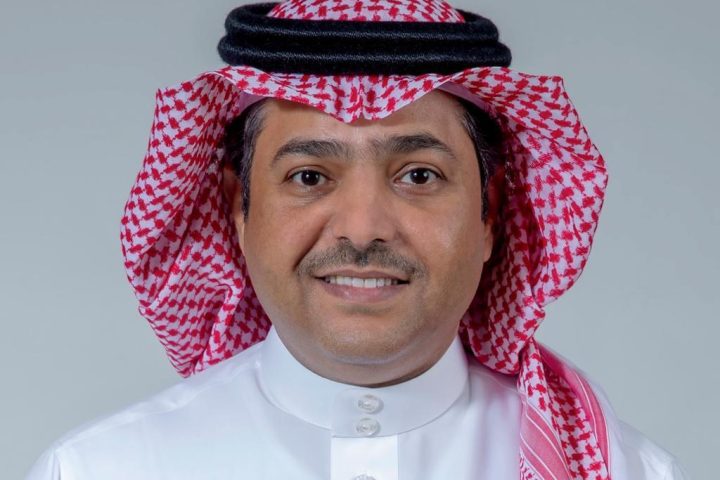


Saudi consultant in urology, oncology and robotic surgery Dr. Mohammed Al-Khamis has said the true significance of the Kingdom’s first remote robotic surgery between two Saudi cities goes beyond the technology itself.
According to Al-Khamis, the key achievement is the localization of the technology and its operation entirely by Saudi professionals, with national medical, technical and engineering teams managing every stage of the procedure.
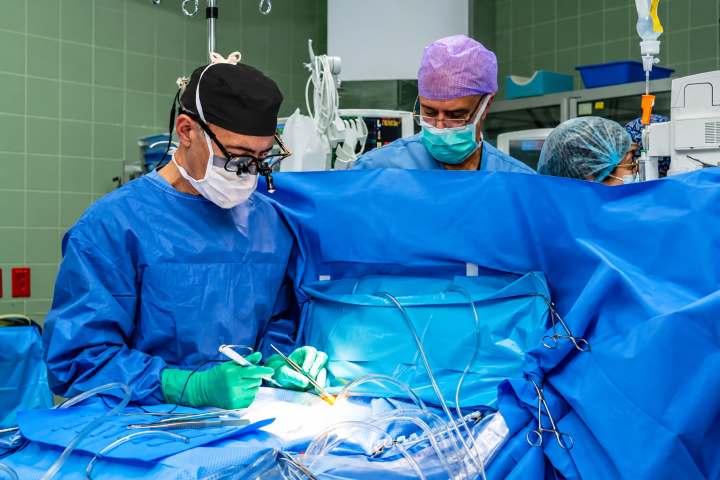
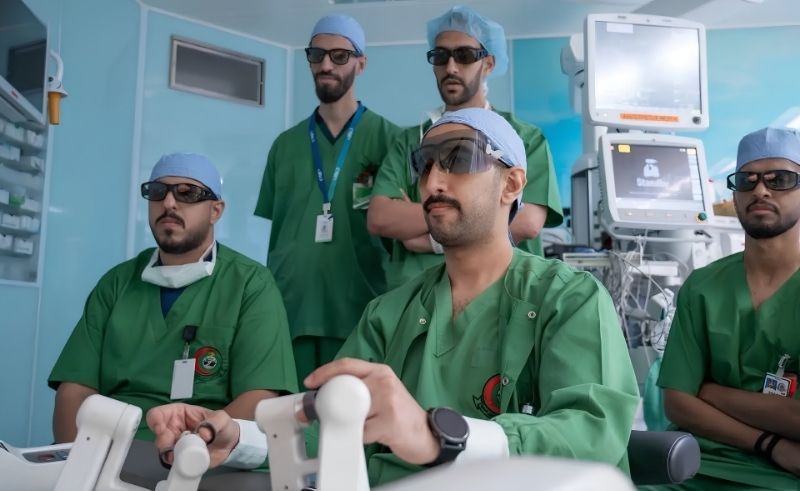
Robotic surgery has been practiced in the Kingdom for nearly two decades, but the latest milestone introduced a new dimension: a surgical team at King Abdulaziz Medical City in Riyadh remotely operated a surgical robot to perform a procedure on a patient at King Abdulaziz Medical City in Jeddah.
Patient Discharged the Following Day
The operation lasted approximately 90 minutes to two hours, and the patient was discharged from hospital the following day after recovering without complications.
The successful procedure followed months of preparation, including repeated simulations designed to test potential scenarios.
Surgical, anesthesia, nursing, technical, engineering and administrative teams also worked together to ensure that the entire system was ready before the procedure began.
What Would Happen if the Connection Failed?
Patient safety was a central part of the planning process.
The medical team developed detailed contingency procedures for potential technical problems, including a possible loss of connectivity during surgery.
A specialist surgeon was physically present alongside the patient in Jeddah and was prepared to immediately continue the procedure if any technical issue occurred.
This backup arrangement ensured that patient safety would not depend solely on the remote connection.
More Than 1,000 Kilometers Apart
Saudi Arabia’s digital infrastructure played a critical role in the success of the procedure.
Data was transmitted between Riyadh and Jeddah in real time with no significant noticeable delay, despite the distance between the two cities exceeding 1,000 kilometers.
Al-Khamis said the connection performed so efficiently that it felt as though the surgeon and patient were operating within the same surgical environment.
Bringing Advanced Surgery Closer to Patients
Remote robotic surgery could have implications extending far beyond a single operating room.
The technology could eventually allow patients in different parts of the Kingdom to access highly specialized surgical expertise without having to travel to major referral hospitals.
It could also enable experienced surgeons to transfer expertise across different regions and remotely supervise or train younger surgeons.
Such applications could help expand access to advanced healthcare services while reducing the concentration of specialized medical expertise in major cities.
Al-Khamis noted that the Kingdom already has significant experience in robotic surgery across several specialties, including urology, colorectal surgery, thoracic surgery, general surgery and bariatric procedures.
The latest achievement highlights how advanced digital infrastructure can increasingly support sophisticated medical applications, opening new possibilities for the future of remote healthcare and robotic surgery in the Kingdom.