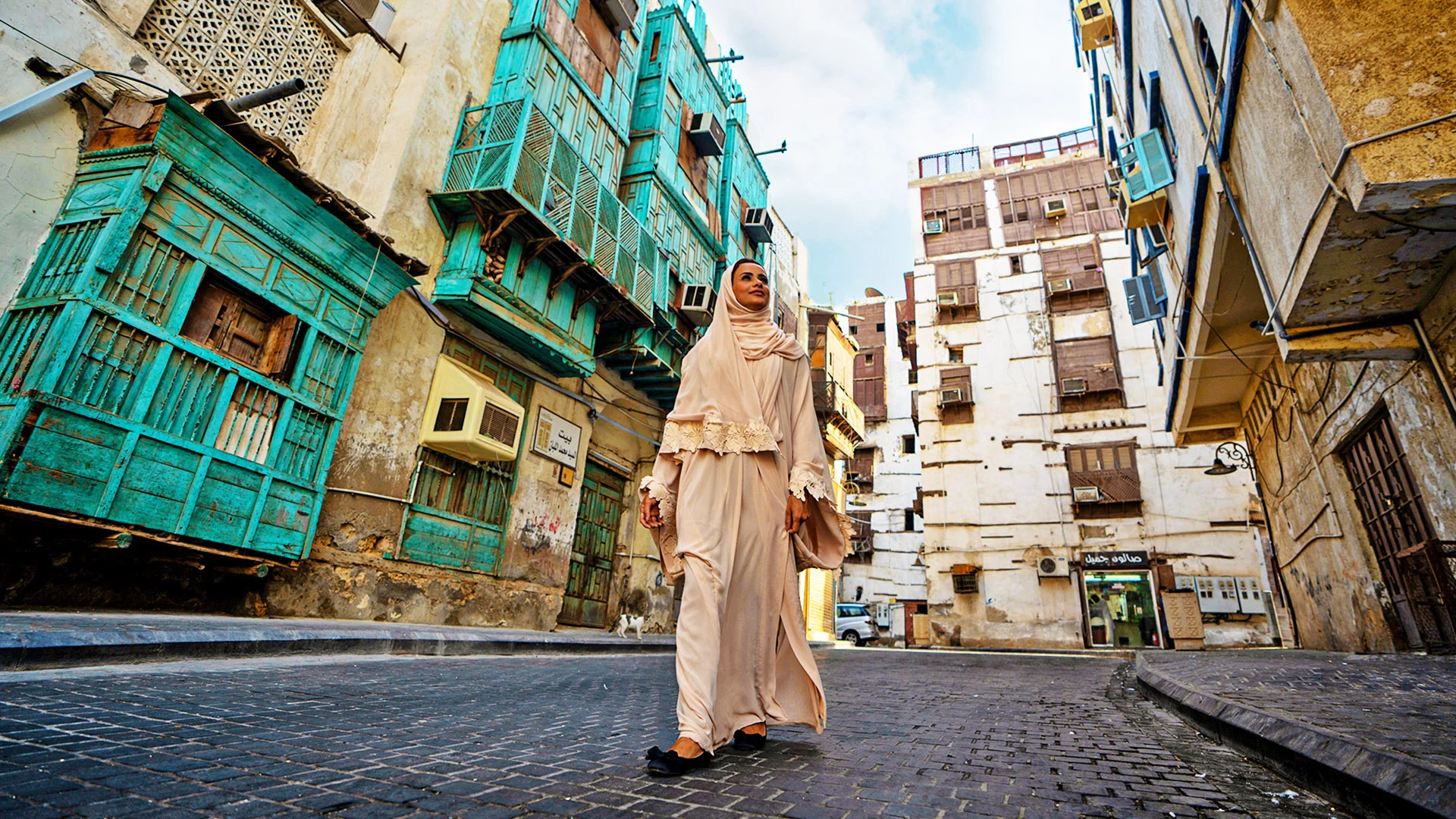
Jeddah is one of the most prominent and influential cities in the Arab world and the wider Islamic region. Located on the Red Sea coast, it serves as Saudi Arabia’s main maritime gateway and stands as a major center for commerce, tourism, culture, and economic development.
The city successfully combines a rich historical heritage with a modern urban landscape, creating a unique environment where tradition and innovation coexist. Over the decades, Jeddah has evolved into a global destination that attracts visitors, investors, entrepreneurs, and pilgrims from around the world.
Today, the city plays a central role in supporting Saudi Arabia’s ambitious Vision 2030 transformation plans.
Strategic Location and Importance
Jeddah is situated on the eastern coast of the Red Sea in western Saudi Arabia and is the largest city in the Makkah region.
Its strategic location makes it one of the Kingdom’s most important transportation and logistics hubs. The city serves as the primary gateway for millions of pilgrims and Umrah performers arriving through King Abdulaziz International Airport and Jeddah Islamic Port.
Jeddah’s position between Asia, Africa, and Europe has also strengthened its role as a key center for international trade and maritime transportation.
Why Is Jeddah Called the Bride of the Red Sea?
Jeddah has long been known as the “Bride of the Red Sea” because of its stunning coastal setting and breathtaking waterfront views.
The city features a beautiful shoreline, world-class beaches, modern promenades, and recreational attractions that draw millions of visitors every year.
The Red Sea itself is one of Jeddah’s greatest natural treasures, famous for its crystal-clear waters and spectacular coral reefs that attract diving enthusiasts from across the globe.
Historic Jeddah: The Heart of the City
One of Jeddah’s most treasured areas is Historic Jeddah, commonly known as Al-Balad.
This district preserves centuries of history through its traditional architecture, heritage buildings, narrow alleyways, and vibrant markets that showcase the unique identity of the Hijaz region.
In 2014, Historic Jeddah was recognized as a UNESCO World Heritage Site due to its exceptional cultural and historical significance.
The area includes iconic landmarks such as Nassif House, Baeshen House, historical mosques, and traditional souqs that continue to attract visitors from around the world.
Major Tourist Attractions in Jeddah
Jeddah offers a wide variety of attractions that make it one of Saudi Arabia’s leading tourism destinations.
King Fahd Fountain
King Fahd Fountain is among the city’s most famous landmarks and is recognized as the tallest fountain of its kind in the world.
Jeddah Corniche
The Corniche is one of the city’s most popular leisure destinations, offering scenic walking paths, parks, restaurants, and spectacular views of the Red Sea.
Jeddah Art Promenade
This modern waterfront destination has become a hub for festivals, entertainment events, and cultural activities that attract visitors throughout the year.
Museums and Cultural Centers
Jeddah is home to numerous museums and cultural institutions that preserve Saudi history and promote creativity, arts, and cultural exchange.
Jeddah as a Global Economic Hub
Beyond tourism, Jeddah is one of Saudi Arabia’s most important economic engines.
The city hosts major national and international companies, while Jeddah Islamic Port remains one of the busiest and most significant ports in the Middle East.
Its advanced logistics infrastructure supports international trade, supply chains, and regional economic growth, reinforcing its position as a global business center.
Jeddah and Saudi Vision 2030
Jeddah plays a crucial role in achieving the objectives of Saudi Vision 2030.
The city is witnessing extensive development projects aimed at improving infrastructure, enhancing tourism, expanding entertainment offerings, and elevating quality of life.
Large-scale investments in transportation, urban development, hospitality, and tourism are transforming Jeddah into one of the region’s most dynamic and attractive cities.
These projects are also helping attract domestic and international investment while creating new opportunities for sustainable economic growth.
Culture and Creative Life in Jeddah
Jeddah is widely regarded as one of Saudi Arabia’s most culturally diverse and creative cities.
Throughout the year, the city hosts exhibitions, festivals, sporting events, and cultural programs that enrich its social and artistic landscape.
Its vibrant creative community includes artists, entrepreneurs, innovators, and cultural leaders who contribute to the city’s growing international profile.
Quality of Life in Jeddah
Jeddah offers modern infrastructure and a high standard of living supported by quality healthcare, education, transportation, and recreational facilities.
The city provides diverse opportunities for work, investment, and family life, making it an attractive destination for residents from across Saudi Arabia and around the world.
Ongoing development projects continue to enhance sustainability, urban living standards, and overall quality of life.
Conclusion
Jeddah is far more than a coastal city or commercial center. It is a symbol of Saudi Arabia’s rich history, cultural diversity, economic strength, and ambitious future.
As Vision 2030 continues to reshape the Kingdom, Jeddah remains at the forefront of transformation, strengthening its position as a world-class destination for tourism, business, culture, and modern living.
With its unique blend of heritage, innovation, and opportunity, Jeddah continues to earn its title as the true Bride of the Red Sea.