


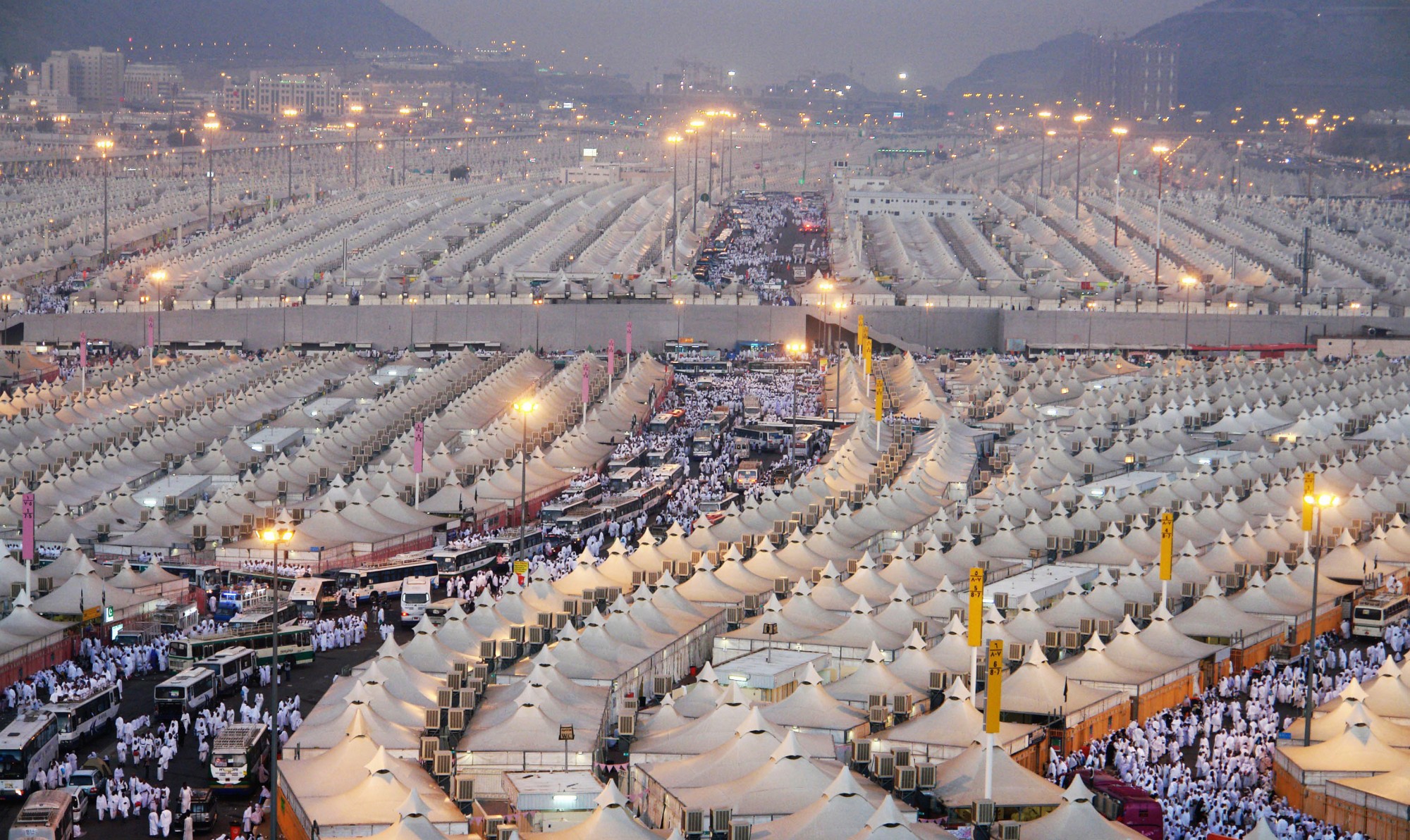
Journalists and international media representatives from several countries toured major Hajj facilities and holy sites in Makkah as part of an extensive media program highlighting Saudi Arabia’s preparations for the 2026 Hajj season.
The two-day tour, organized by the General Authority for Media Regulation in cooperation with the Royal Commission for Makkah City and Holy Sites, brought together local and international media delegations covering this year’s pilgrimage season.
The initiative aims to provide journalists with direct insight into the large-scale projects, advanced services, and logistical preparations designed to accommodate millions of pilgrims expected to arrive in the Kingdom in the coming weeks.
The tour began at the Makkah Chamber before delegates visited several operational sites across the holy areas of Mina, Arafat, and Muzdalifah.
One of the first major stops was the Adahi project, where media representatives learned about the Kingdom’s integrated system for organizing sacrificial rituals during Hajj, including digital platforms that allow pilgrims and Muslims worldwide to complete sacrifices electronically through modern online payment systems.
Delegates also visited Jabal Al-Rahma and several key locations across Arafat before continuing to Muzdalifah as part of the field tour showcasing the readiness of infrastructure and pilgrim services.
Throughout the visit, journalists documented ongoing preparations, filmed reports, and conducted interviews highlighting the extensive efforts underway to enhance crowd movement, transportation systems, and logistical services ahead of the pilgrimage season.
Ahmed Rassam from the Maldives Pilgrimage Affairs Office praised the organization of the tour, saying it offered international media delegates valuable firsthand insight into the Kingdom’s preparations for Hajj.
Meanwhile, M. Umar Butt, spokesperson for Pakistan’s Ministry of Religious Affairs, described the level of development and modernization as highly impressive, particularly the digitization efforts and facilities being introduced for pilgrims.
The first day concluded with a visit to the Cultural Front at Umm Al-Qura University, where participants explored exhibitions and museum displays showcasing Makkah’s rich cultural and historical heritage.
Ragheb Irqasous from the General Authority for Media Regulation welcomed participating journalists and emphasized the importance of sharing their experiences with audiences around the world to highlight Saudi Arabia’s efforts in serving pilgrims.
The second day of the program is scheduled to include visits to the Haramain Architecture Exhibition, the Kaaba Kiswah Factory, the International Museum of the Prophet’s Biography and Islamic Civilization, and the Clock Tower Museum.
The media tour forms part of broader Saudi efforts to strengthen local and international Hajj coverage by giving journalists direct access to major facilities, projects, and historical landmarks connected to one of the world’s largest annual religious gatherings.














