

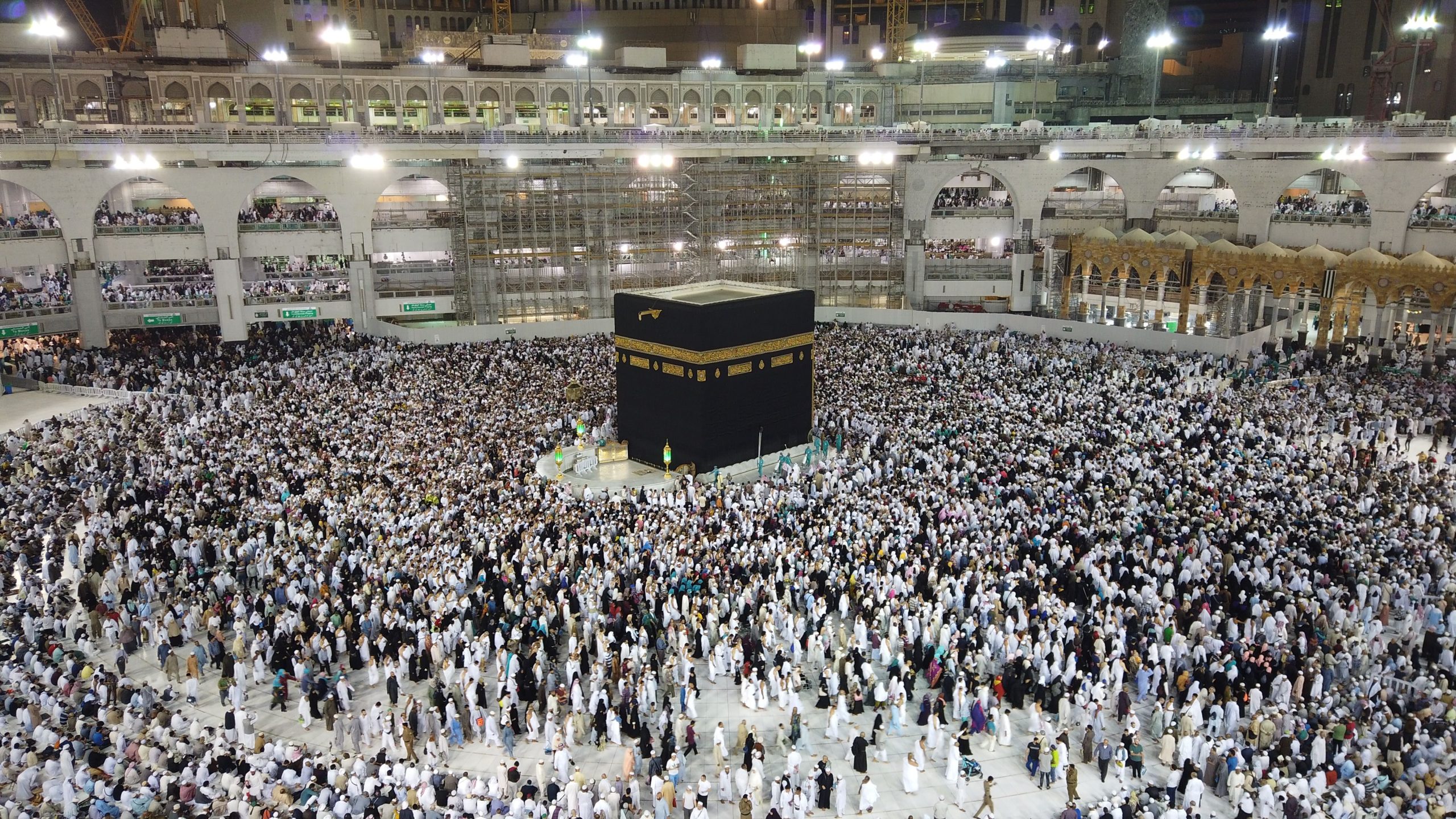
Saudi Arabia is accelerating digital transformation at the Grand Mosque in Makkah through smart technologies, automation and integrated digital platforms designed to improve operational efficiency and enhance the experience of pilgrims and visitors.
The initiatives are supporting an ambitious goal of positioning the Grand Mosque among the world’s smartest sites by 2030, with technology increasingly embedded across transportation, meal distribution, field operations and visitor services.
Smart Mobility Cuts Pilgrim Waiting Times
Dr. Mohammed Al-Saqr, deputy CEO for Digital Transformation at the General Authority for the Care of the Affairs of the Grand Mosque and the Prophet’s Mosque, said the authority’s smart mobility platform has automated transportation services and integrated electronic booking and payment.
The system has significantly reduced waiting times for pilgrims, from around two hours three years ago to approximately nine minutes during the most recent Hajj season.
The improvement highlights the role of digital systems in managing the movement of large numbers of pilgrims, particularly during peak periods when visitor density rises substantially around the Grand Mosque.
More Than 38 Million Iftar Meals Managed Digitally
Digital transformation has also extended to the management of iftar meals at the Grand Mosque.
The modernized system handles the distribution of more than 38 million meals, with transaction values approaching SR500 million.
The scale of these operations highlights the logistical complexity involved in serving millions of visitors and the importance of digital systems capable of organizing and monitoring the process efficiently.
Integration With Ehsan Speeds Up Administrative Procedures
The digital transformation has also streamlined administrative processes associated with iftar services through automation, integration with Saudi Arabia’s national charitable platform Ehsan, and third-party oversight.
According to the reported figures, these measures have reduced administrative clearance times from eight days to around eight minutes.
The transformation demonstrates how digital integration can reduce manual procedures, accelerate approvals and improve transparency across operational processes.
Rafed Connects 18 Government Entities
At the field level, the Rafed platform connects 18 government entities to facilitate the handling of field reports.
Such integration allows reports and operational issues to be routed to the relevant authorities within a coordinated digital environment, supporting faster responses and more efficient cooperation.
This is particularly important at the Grand Mosque, where security, operational, logistical, health and organizational services require close coordination among multiple government entities.
Digital Mapping Handles Around 600,000 Cases Annually
The authority is also using an interactive digital mapping system that handles approximately 600,000 cases each year.
The system serves nearly 10 percent of the six million annual visitors, demonstrating the growing role of location-based digital technologies in managing services at the Grand Mosque.
Interactive mapping can help authorities identify locations more efficiently, improve field response times and support decisions based on real-time geographical information.
Beyond Digitizing Traditional Services
The developments indicate that digital transformation at the Grand Mosque is moving beyond simply putting traditional services online.
Instead, the focus is increasingly on building an integrated smart operating environment based on automation, data, digital connectivity and coordination between systems.
Transportation platforms, electronic booking and payments, meal management, government integration and interactive mapping are becoming interconnected components of a broader strategy focused on managing the visitor experience more efficiently.
Aiming for One of the World’s Smartest Sites
These developments demonstrate that technology is becoming a core component of how the Grand Mosque is operated and managed.
As Saudi Arabia continues expanding smart systems across the Grand Mosque and the Prophet’s Mosque, the Kingdom is developing an advanced model for managing high-density religious sites through digital infrastructure, real-time data, automation and institutional integration.
By 2030, these efforts aim to position the Grand Mosque among the world’s smartest sites, supporting the objectives of Saudi Vision 2030 while placing the experience and wellbeing of pilgrims and visitors at the center of technological and operational development.