

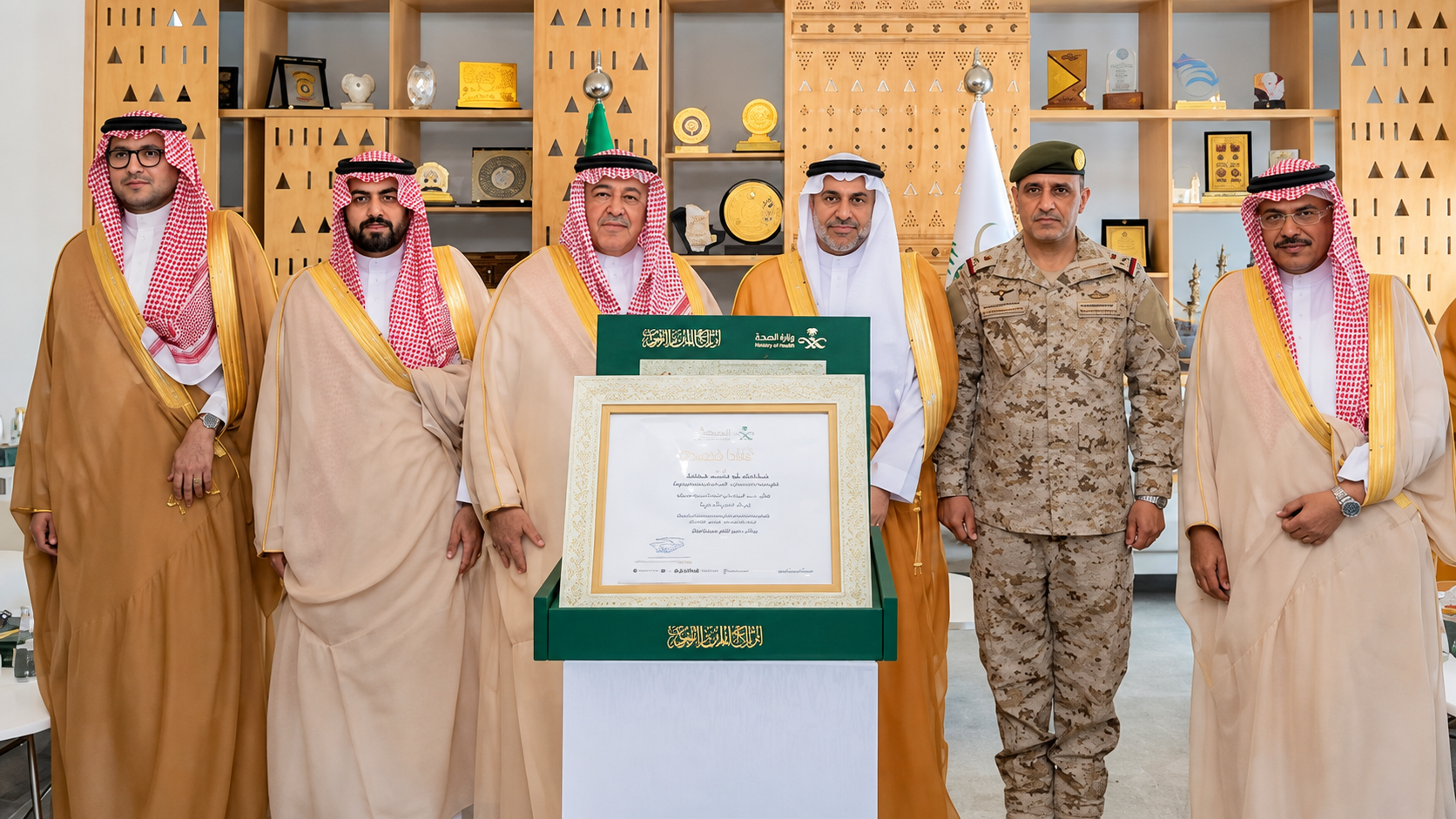
Four military cities in Saudi Arabia have received Healthy City accreditation after meeting the requirements of the Ministry of Health’s Healthy Cities Program, marking another expansion of the Kingdom’s preventive-health approach and strengthening cross-sector cooperation to improve quality of life.
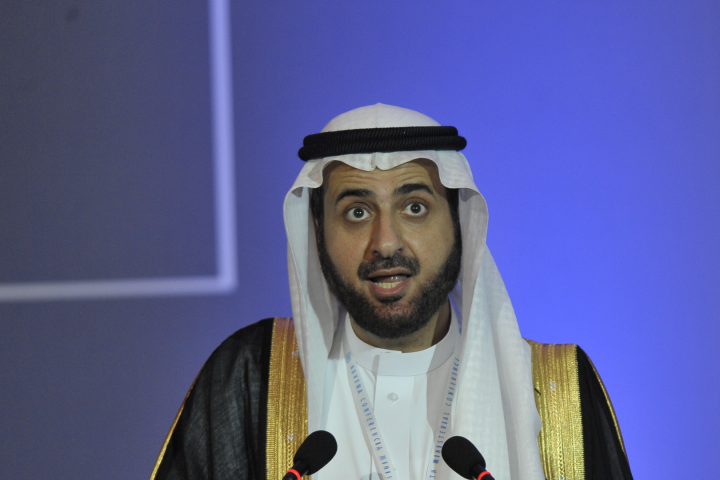
Minister of Health Fahad Al-Jalajel presented the accreditation certificates to Deputy Minister of Defense for Executive Affairs Dr. Khaled Al-Bayari, along with officials and representatives from the four military cities, highlighting cooperation between the health and defense sectors and the implementation of the “Health in All Policies” approach.
Four Military Cities Receive Accreditation
The accreditation covers:
- King Abdulaziz Military City in the northwestern region.
- King Fahd Military City in the Eastern Province.
- King Fahd Air Base in the Western Sector.
- King Khalid Military City in the Northern Region.
The cities achieved accreditation after meeting 80 criteria across nine key areas under the Healthy Cities Program.
The criteria cover a broad range of factors affecting public health and living conditions, reflecting a model that extends beyond medical services to the wider environmental and social factors that shape people’s health and well-being.
Health Extends Beyond Medical Facilities
The Healthy Cities concept focuses on improving residents’ lifestyles through a clean environment, integrated health services and effective community participation, in line with World Health Organization standards.
The 80 criteria span nine areas covering community empowerment, cross-sector partnerships, healthcare services, the urban environment, education, quality of life, emergency preparedness and response, as well as other areas related to health and development.
The approach reflects a broader shift from treating illness after it occurs toward prevention and reducing health risks through planning, environmental improvements, awareness, services and community engagement.
Food Safety, Air Quality and Emergency Preparedness
The assessment areas for the military cities included health development, food safety, environmental and air quality, capacity building, emergency preparedness and response, community participation and health initiatives.
These factors are particularly important in large population centers, where environmental quality, food safety and emergency preparedness can directly influence public health and the ability of communities to prevent and respond to potential risks.
Part of the Kingdom’s Expanding Healthy Cities Network
The accreditation comes as Saudi Arabia continues to expand its Healthy Cities Program.
According to the Ministry of Health, the Kingdom has reached 21 WHO-accredited Healthy Cities, reinforcing its regional leadership in the field and promoting an integrated approach that connects health, development and quality of life.
The national network includes cities, governorates and educational institutions across different regions, including Jeddah, Madinah, Taif, Tabuk, Al-Khobar, Diriyah, Unaizah and Sharurah, among others.
Cross-Sector Cooperation to Improve Quality of Life
The accreditation of the military cities provides another example of the “Health in All Policies” approach, which integrates health considerations into planning, services and development across different sectors rather than placing responsibility for health solely on medical institutions.
The Ministry of Health says the Healthy Cities Program is built on cooperation between government entities, the private sector and civil society organizations to improve population health, raise quality of life and build healthier, more sustainable communities.
This approach also enables different institutions to work toward shared objectives in prevention, environmental health, public services and health awareness.
Supporting Saudi Vision 2030
The expansion of the Healthy Cities Program supports the objectives of Saudi Vision 2030 and the Health Sector Transformation Program, particularly those focused on building a vibrant society, improving quality of life and strengthening preventive healthcare.
The accreditation is therefore more than a formal designation. It represents adherence to a structured set of standards and practices aimed at continuous improvement in public health, environmental conditions, services and community participation.
The addition of four military cities further broadens the scope of Saudi Arabia’s Healthy Cities model, demonstrating the growing integration of prevention and quality-of-life principles across different population settings, including military communities.