


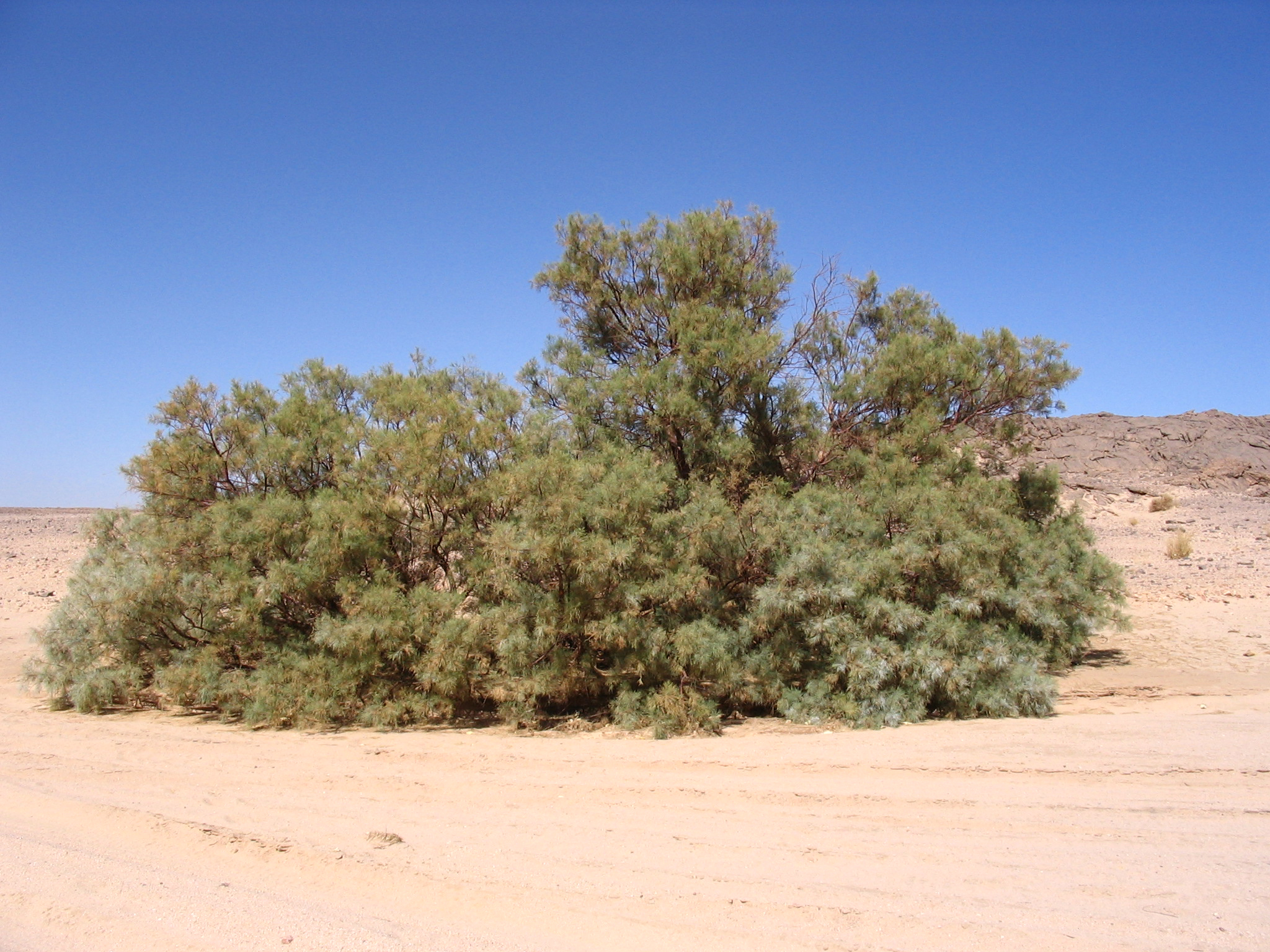
Saudi Arabia continues to advance its ambitious environmental initiatives by expanding the cultivation of the drought-resistant tamarisk tree, a native species uniquely adapted to the Kingdom’s arid climate. The tree has become a symbol of environmental resilience, playing a vital role in balancing ecological sustainability with national development goals.
Known locally as Athl, the tamarisk tree is highly tolerant of heat and salinity, thriving with minimal water while offering numerous ecological benefits. It serves as a natural barrier against sandstorms, helps stabilize sand dunes, and improves soil fertility by reducing salinity and increasing organic matter.
Experts note that the tree’s deep root system allows it to draw water from underground sources, making it effective in preventing soil erosion and protecting agricultural areas, roads, and infrastructure from shifting sands.
These efforts fall under major national programs such as the Saudi Green Initiative and Vision 2030, both of which aim to plant billions of trees and restore degraded lands across the Kingdom. The tamarisk tree, in particular, is seen as a cornerstone species in achieving long-term sustainability in dry regions.
The Ministry of Environment, Water and Agriculture continues to expand tamarisk planting projects across desert-prone areas, particularly in the southern and eastern regions, to strengthen vegetation cover and mitigate the environmental impacts of climate change.
Through these efforts, the Kingdom reaffirms its leadership in global environmental preservation, pioneering nature-based solutions that contribute to a greener, more sustainable future for generations to come.














