


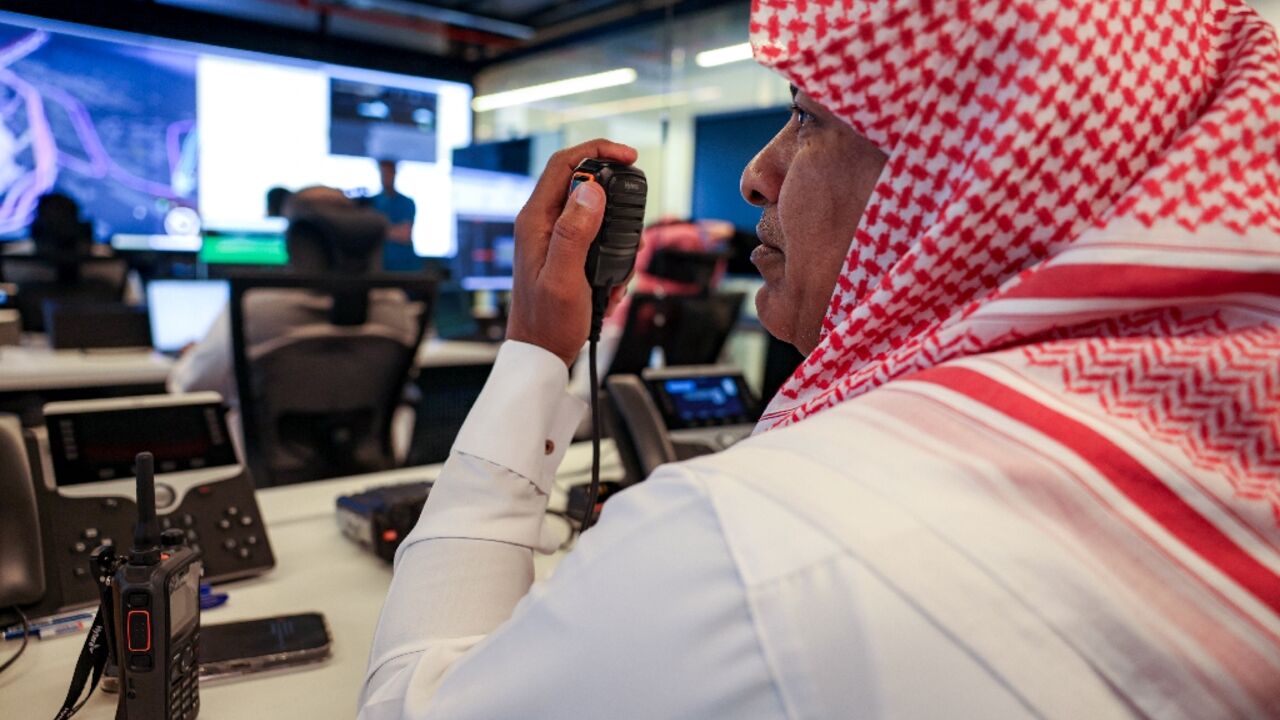
Saudi Arabia has significantly expanded its use of artificial intelligence and satellite technology to enhance environmental monitoring during the Hajj season, reinforcing the Kingdom’s commitment to sustainability and environmental protection while serving millions of pilgrims.
The National Center for Environmental Compliance announced a 145% increase in environmental inspection activities compared to the previous Hajj season, highlighting the growing role of advanced technology in safeguarding the holy sites.
More Than 200 Satellite Images Used for Monitoring
This year, the center relied on more than 200 satellite images analyzed using artificial intelligence, supported by teams of environmental specialists.
The technology enabled broader coverage of the areas surrounding the Grand Mosque and the holy sites, helping authorities identify environmental concerns more quickly and direct inspection teams with greater precision.
The use of satellite imagery significantly improved monitoring efficiency and accelerated responses to environmental reports and observations.
Over 1,800 Inspection Rounds Conducted
Environmental inspectors carried out more than 1,800 field inspections during the Hajj season, identifying approximately 250 cases of non-compliance.
According to the center, around 95% of the observed issues were administrative and organizational in nature, while technical environmental violations with significant impact accounted for less than 5% of the total cases.
Appropriate corrective measures were implemented in coordination with relevant authorities to address environmental concerns and rehabilitate affected sites.
Around-the-Clock Air Quality Monitoring
The center operated nine air-quality monitoring stations across key pilgrim gathering areas.
For the first time, a 24-hour pollution forecasting program was introduced, allowing authorities to identify potential emission sources and take preventive action before pollution levels increased.
This proactive approach helped maintain healthy air quality throughout the pilgrimage season.
Expanded Noise Monitoring Network
Environmental monitoring efforts also included expanded noise surveillance across Makkah and the holy sites.
Six fixed monitoring stations were deployed, alongside portable devices used daily by inspectors to measure sound levels in camps, roads, tunnels, and other high-traffic areas.
Recorded data confirmed that noise levels remained within approved environmental limits throughout the season.
Enhanced Waste Management Oversight
Environmental teams closely monitored the safe disposal of solid and liquid waste generated by sacrificial animal processing facilities in Makkah, Madinah, and the holy sites.
Comprehensive reports were prepared to assess environmental safety procedures and ensure that surrounding ecosystems remained protected.
Continuing Environmental Protection Beyond Hajj
The National Center for Environmental Compliance confirmed that monitoring efforts will continue after the Hajj season concludes.
Authorities plan to conduct more than 1,800 soil and water analyses while continuing satellite-based monitoring to ensure environmental sustainability and preserve natural resources for future generations.
These efforts reflect Saudi Arabia’s broader Vision 2030 objectives, which prioritize environmental sustainability, technological innovation, and the protection of natural ecosystems alongside major national events.














