

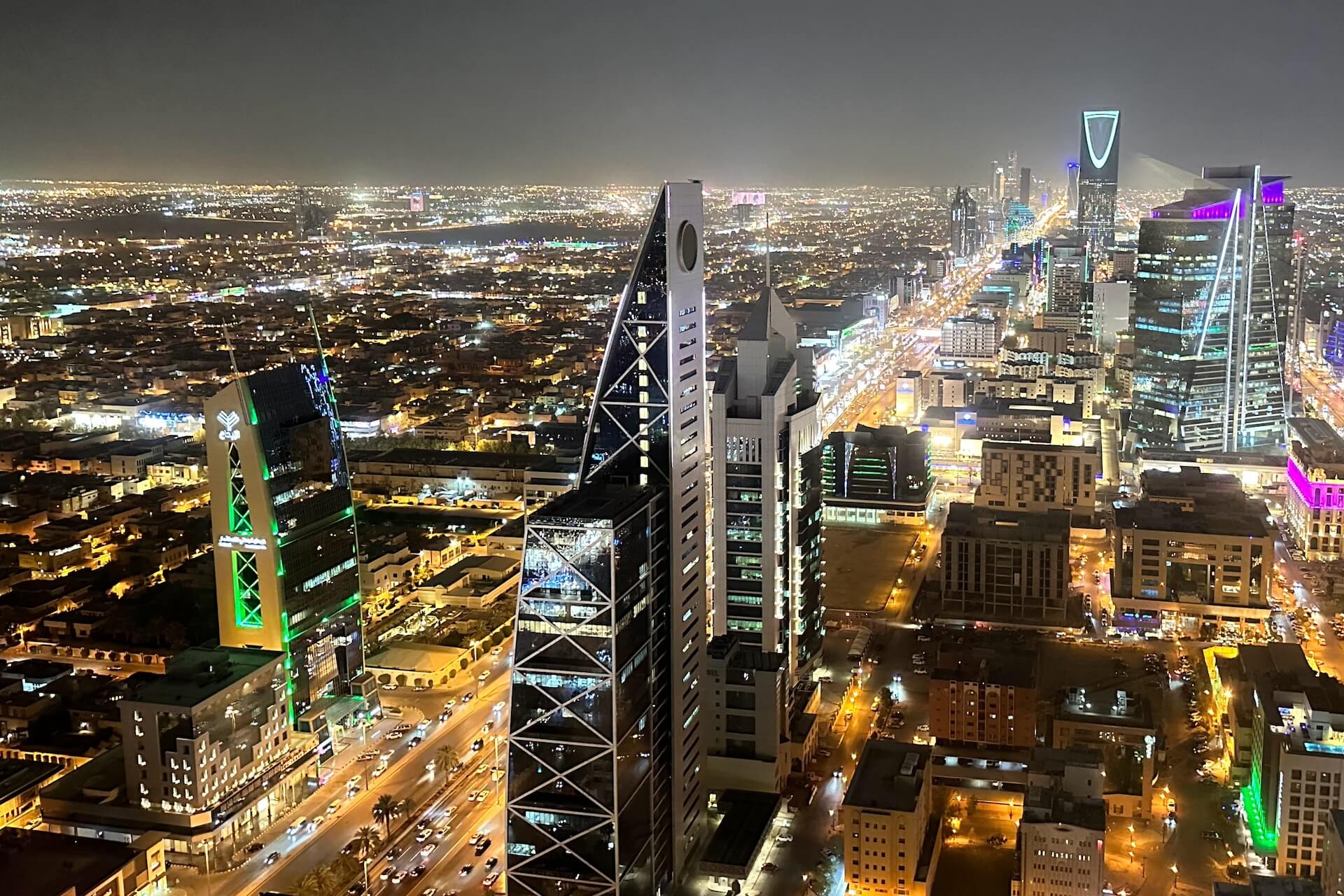
Saudi Arabia’s Ministry of Municipalities and Housing has announced that approximately 19 million square meters of white land in the Madinah region has entered development or trading, highlighting the growing impact of the Kingdom’s White Land and Vacant Property Fees system.
According to the ministry, the total includes 12 million square meters of developed land, 2 million square meters that have entered the market, and another 5 million square meters currently under development.
Fee Revenues Support 9 Development Projects
The impact of the White Land Fees program extends beyond encouraging landowners to develop unused plots.
The ministry said revenues generated through the fees have supported nine residential and development projects in the Madinah region, contributing to infrastructure development, municipal services and projects designed to meet growing housing and urban needs.
Accelerating Urban Development
The White Land and Vacant Property Fees program aims to encourage the development of underutilized land within designated urban areas while increasing the supply of residential and urban products.
Landowners who demonstrate serious development plans can also benefit from regulatory grace periods under specific technical requirements.
Meanwhile, the Etmam Real Estate Developers Services Center provides more than 35 digital services covering different stages of property development, including licensing, approvals and coordination with relevant government entities.
264 Million Sq. Meters Across Four Regions
Madinah’s figures are part of a broader expansion of the program across the Kingdom.
Around 71 million square meters of white land has entered development or trading in Riyadh, compared with approximately 146 million square meters in the Eastern Province and 28 million square meters in the Makkah region.
Together with Madinah’s 19 million square meters, the announced total across the four regions reaches approximately 264 million square meters.
The initiative forms part of Saudi Arabia’s broader efforts to improve land utilization, expand housing and real estate supply, stimulate sustainable urban development and support the objectives of Vision 2030.