


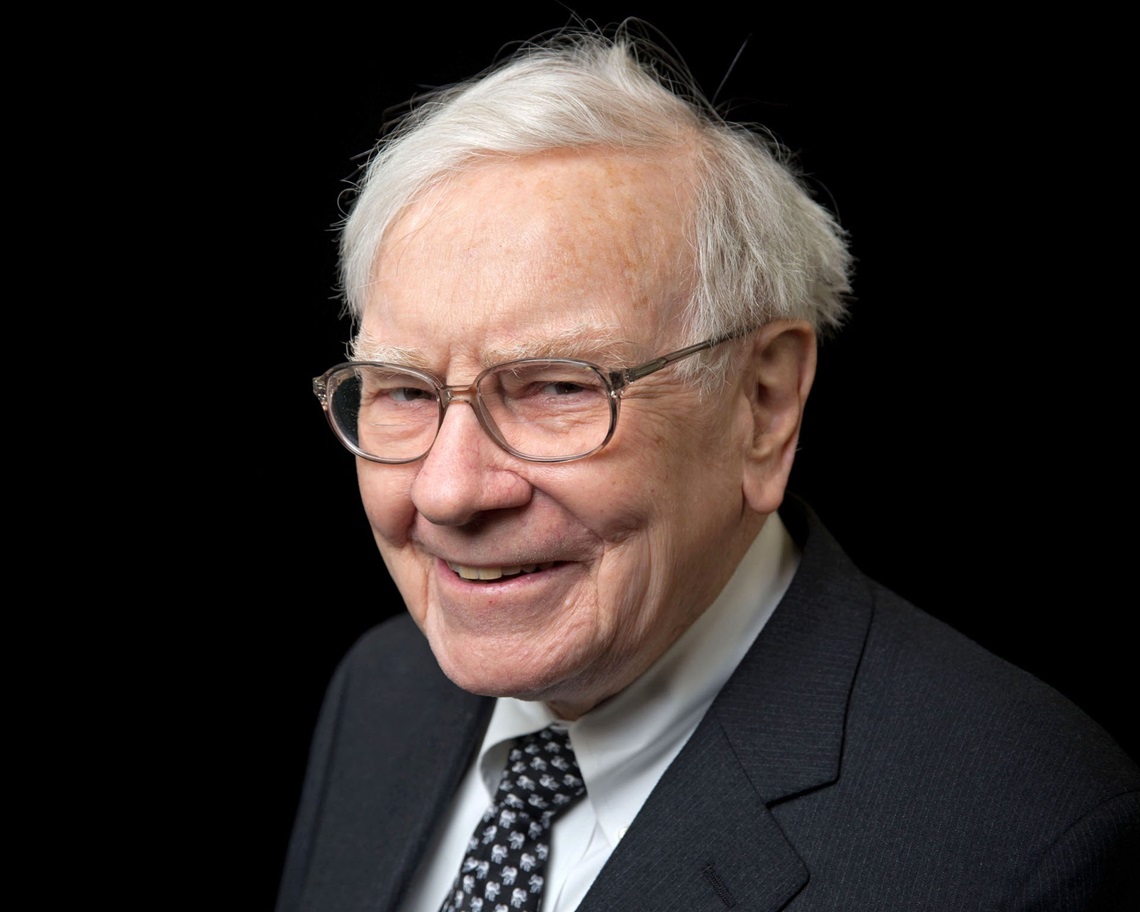
Warren Buffett is widely recognized as one of the greatest investors in modern history. Known as the chairman and chief executive of Berkshire Hathaway, Buffett built one of the most extraordinary investment careers ever seen in global finance.
Over the decades, Warren Buffett became a symbol of disciplined investing, long-term thinking, and financial wisdom. His investment philosophy has influenced millions of investors, business leaders, and financial institutions worldwide.
Today, Buffett remains one of the most respected figures in global business and finance.
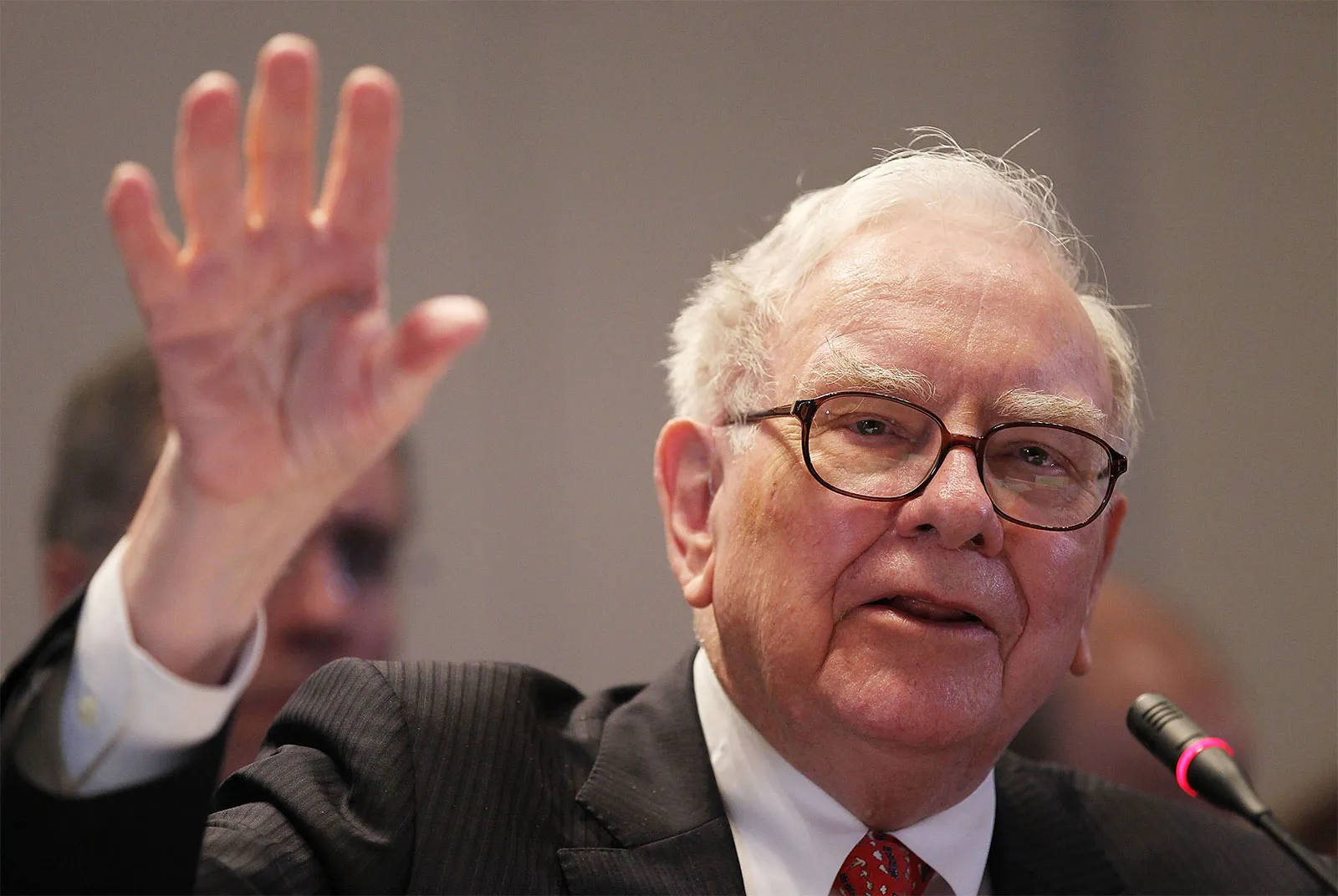
Warren Buffett Age and Early Life
Warren Edward Buffett was born on August 30, 1930, in Omaha, Nebraska, United States.
From an early age, Buffett demonstrated remarkable business instincts and strong numerical abilities. He showed a deep fascination with money, investing, and business operations long before adulthood.
Even as a child, Buffett actively pursued small business opportunities and developed a strong understanding of profit and value creation.
He sold products, managed small ventures, and carefully studied business economics.
His passion for investing began unusually early.
By the age of eleven, Buffett had already purchased his first stock.
This marked the beginning of a legendary investment journey.
Education and Financial Foundations
Warren Buffett studied at the University of Nebraska, where he earned his degree in business administration.
He later attended Columbia Business School, where he studied under Benjamin Graham, one of the most influential investment thinkers in history.
Graham’s principles had a profound impact on Buffett’s investment philosophy.
He learned the importance of value investing, disciplined analysis, and buying businesses below intrinsic value.
These principles would become the foundation of Buffett’s future success.
Early Career and Investment Beginnings
After completing his education, Buffett began working in investment-related roles.
He gained practical experience analyzing businesses, financial statements, and market behavior.
During these early years, Buffett developed a disciplined approach to capital allocation and investment decision-making.
He focused on identifying undervalued businesses with strong long-term potential.
His patience and analytical discipline quickly set him apart from other investors.
Buffett was never interested in short-term speculation.
He believed wealth was built through patience, discipline, and smart long-term decisions.
Building Berkshire Hathaway
Warren Buffett’s career reached historic significance through Berkshire Hathaway.
Originally, Berkshire Hathaway was a textile manufacturing company.
Buffett gradually acquired control of the business and transformed it into one of the largest investment holding companies in the world.
This transformation became one of the greatest business success stories in history.
Under Buffett’s leadership, Berkshire Hathaway invested in and acquired major companies across multiple industries.
Its portfolio expanded into:
- Insurance
- Banking
- Consumer goods
- Energy
- Transportation
- Manufacturing
Berkshire Hathaway became a model of long-term value creation.
Its extraordinary growth made Buffett one of the most successful investors of all time.
Warren Buffett’s Investment Philosophy
Warren Buffett is best known for his disciplined value investing philosophy.
His strategy focuses on buying strong businesses with sustainable competitive advantages at attractive valuations.
Buffett consistently emphasizes:
- Long-term thinking
- Business fundamentals
- Financial discipline
- Strong management
- Capital efficiency
He avoids speculative investing and focuses on businesses he deeply understands.
This approach has allowed Buffett to generate exceptional long-term returns.
His investment philosophy continues to be studied globally by investors and institutions.
Leadership Style of Warren Buffett
Buffett is known for his calm decision-making, discipline, and rational thinking.
His leadership style emphasizes trust, autonomy, and long-term value creation.
He gives business leaders significant operational independence while maintaining strong capital allocation oversight.
Supporters admire his simplicity, discipline, and extraordinary ability to evaluate businesses.
His leadership style reflects consistency, patience, and strong business judgment.
Warren Buffett Net Worth
Warren Buffett has consistently ranked among the wealthiest individuals in the world.
Most of his wealth comes from Berkshire Hathaway stock and long-term investments.
Despite his immense wealth, Buffett is known for his relatively modest lifestyle compared to many billionaires.
His fortune has grown steadily over decades through disciplined investing and compounding returns.
He remains one of the richest and most influential investors in history.
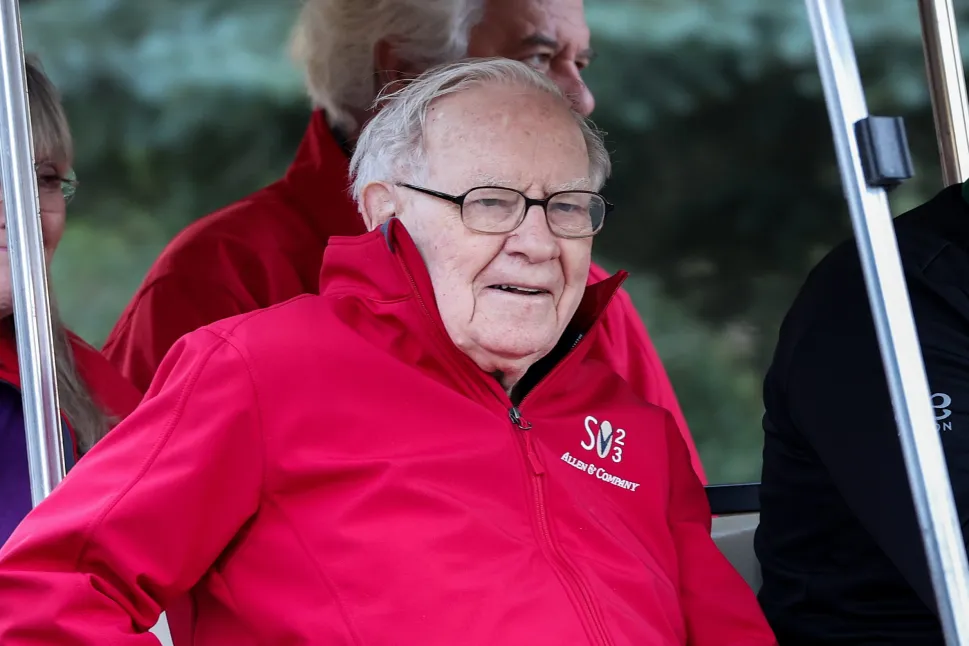
Philanthropy and Global Impact
Warren Buffett is also highly respected for his philanthropic contributions.
He pledged to donate the majority of his wealth to charitable causes.
His philanthropy focuses on improving global health, education, and humanitarian initiatives.
Buffett has repeatedly emphasized the importance of using wealth to create meaningful social impact.
His contributions have influenced both philanthropy and wealth management globally.
Key Achievements
Warren Buffett’s major achievements include:
- Building Berkshire Hathaway into a global investment giant
- Becoming one of the greatest investors in history
- Popularizing value investing worldwide
- Generating extraordinary long-term investment returns
- Becoming one of the world’s wealthiest individuals
Very few investors have shaped global finance as profoundly as Warren Buffett.
Final Thoughts
Warren Buffett represents one of the most extraordinary success stories in financial history.
From a young boy fascinated by numbers to one of the world’s greatest investors, his journey reflects patience, discipline, and exceptional decision-making.
His story is not only about wealth.
It is about building lasting value, making rational decisions, and creating long-term impact through disciplined investing.














