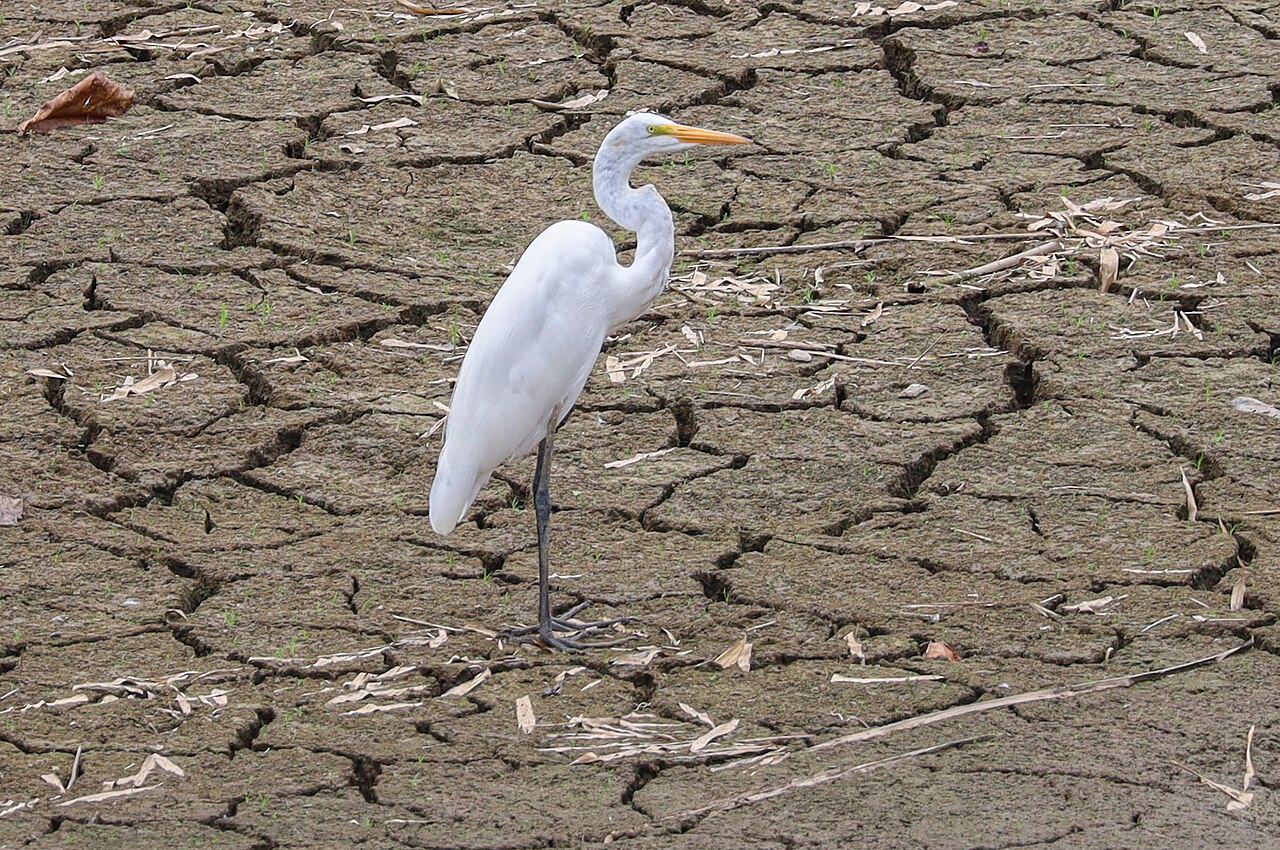
Water rationing that began in early August across the city of San Juan and six nearby municipalities was still in force at the start of September, even after a weekend of rain, the San Juan Daily Star reported. About 180,000 customers have had their supply cut in rotation for roughly two days at a time. the Governor Jenniffer González Colón estimated that 10% to 13% of the population was still affected by drought-related interruptions, and the water authority, PRASA, said it did not plan to lengthen the scheduled cuts.
The rain brought limited relief. One to three inches fell across southern and interior areas and up to 1.5 inches reached the Carraízo reservoir, but a National Weather Service meteorologist said conditions in the metro-area reservoirs did not change significantly. San Juan’s records stretch back more than 120 years, and none shows a drier month than July 2026 and thats so harmful.
Ivis García, a professor of urban planning at Texas A&M University, argues in The Conversation that the drought has exposed problems that were already there. The board the federal government appointed to oversee the island’s finances reports that in fiscal year 2024 PRASA produced 513 million gallons a day and lost 267 million of them to leaks, close to half. The utility’s own plan shows losses falling by only 6% since 2019. The Environmental Protection Agency estimates that repairing and upgrading the island’s distribution and transmission pipes would cost $2.2 billion. García writes that, to qualify for federal reimbursement, PRASA favors treatment plants, meters and hurricane rebuilding over the small neighborhood lines that lose the bulk of the water.
Years of unreliable service have also changed how residents see their taps. In a 2022 survey of 154 residents of Loíza, Comerío and Aguas Buenas, 64% said they did not trust their tap water. In a separate survey of 208 older adults in Loíza, 86% used bottled water. That is a heavy extra cost where median household income is $26,297 and water bills start near $30 a month whether or not water arrives.
PRASA’s annual revenue of about $1.1 billion falls short of its operating bill of roughly $1.3 billion, and the utility owes about $3.8 billion in long-term debt.