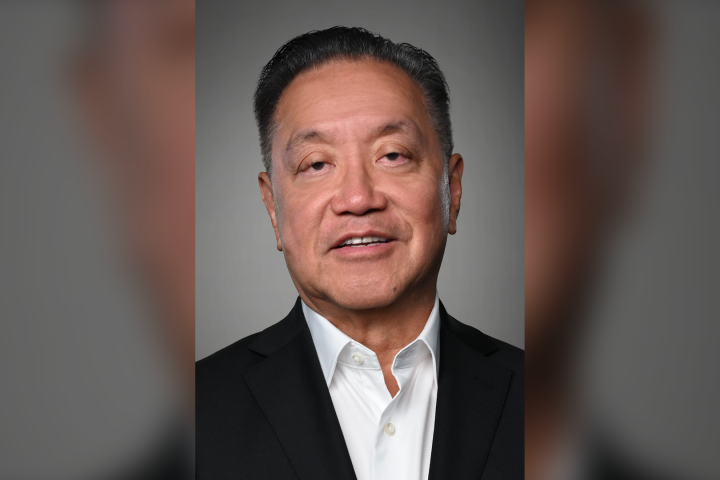


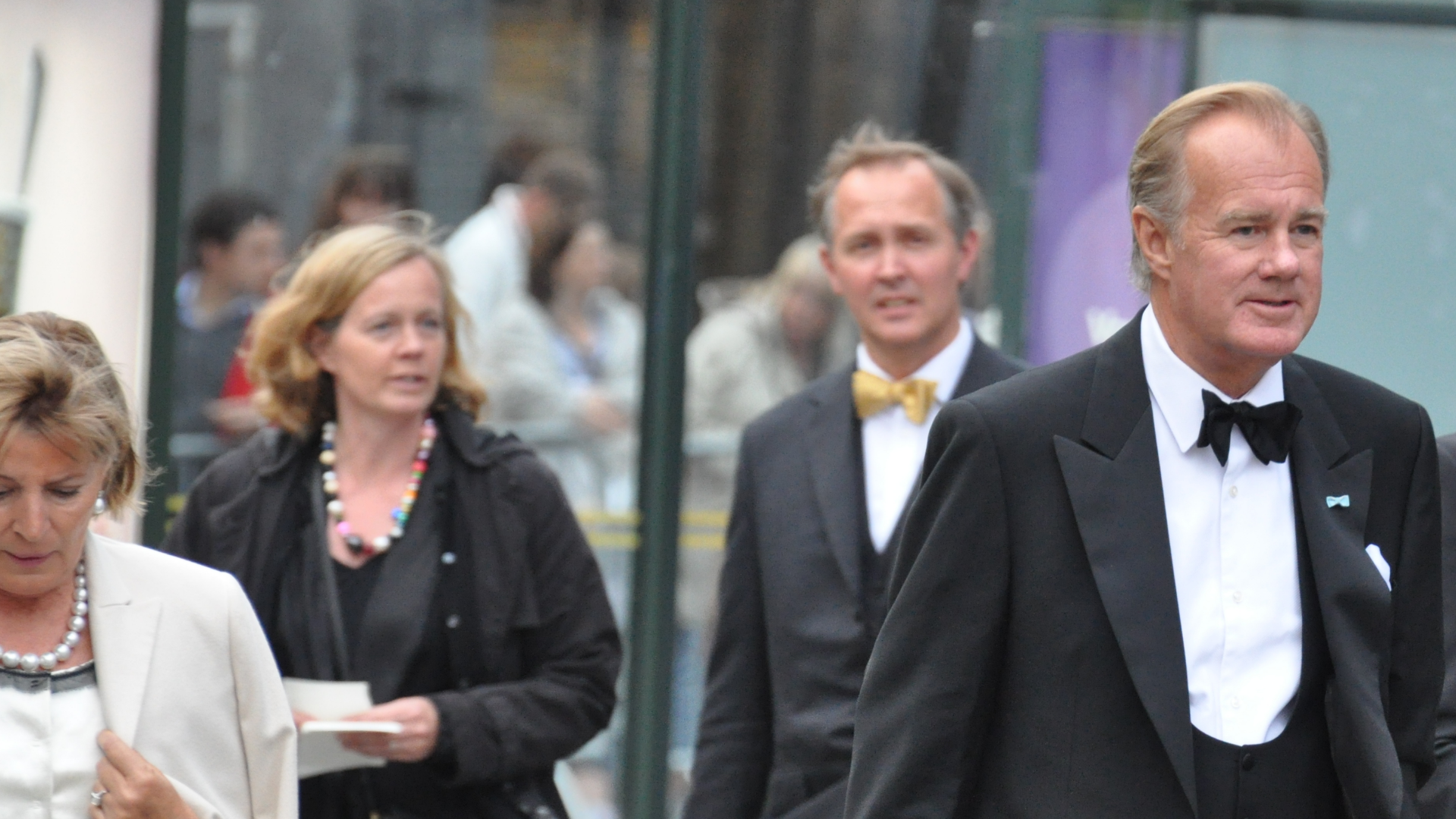
Stefan Persson is the Swedish retail executive who ran H&M as chief executive from 1982 to 1998 and then chaired its board for more than two decades, until 2020. Over that span the clothing chain grew from a mostly Scandinavian business into one of the largest fashion retailers in the world.
He matters to anyone following the fashion trade because many of the choices that still shape H&M Group were made on his watch: the push across Europe, the 2000 entry into the United States, the first designer collaboration and the move from one brand to several.
Career
Persson joined H&M in 1972, according to the company profile published by Encyclopedia.com. The business had been founded in Västerås, Sweden, in 1947 as a single womenswear shop called Hennes, the Swedish word for “hers”.
By the time he arrived, the company had already adopted the name Hennes & Mauritz, added menswear and clothing for kids in 1968, and opened its first stores outside Sweden, starting with Norway in 1969. In 1974 the shares were listed on the Stockholm Stock Exchange and the shops were rebranded as H&M.
In 1982 Persson took over as chief executive, a date confirmed on the H&M Group history page. The following years brought fast growth. Encyclopedia.com reports that H&M had about 200 stores across Europe and the United Kingdom by 1985 and that the company built an in-house design team at its head office while buying production from outside suppliers.
During the 1980s the chain opened its first stores in Germany and the Netherlands. The group history lists four more European markets added in the 1990s. Encyclopedia.com describes H&M in the late 1990s as the largest clothing retailer in Europe.
In 1998 Persson handed the chief executive post to Fabian Mansson and became chairman of the board. The same year H&M started selling online in Sweden and opened its first store in Paris.
Mansson left in March 2000. A board statement dated 23 March 2000 named Rolf Eriksen, then head of the Danish subsidiary, as the new managing director, and quoted Persson, as chairman, saying the new leader’s experience would sharpen the group’s focus on sales and profits. A week later, on 31 March 2000, H&M opened its first American store on Fifth Avenue in New York.
As chairman, Persson oversaw a long run of expansion. The first designer collaboration, with Karl Lagerfeld, came in 2004. In 2007 the group opened in Shanghai and Hong Kong and launched COS with a first store in London. In 2008 it bought FaBric Scandinavien AB, bringing Weekday, Monki and Cheap Monday into the group. H&M HOME followed in 2009.
The brand list kept growing in the years after. & Other Stories launched in 2013, ARKET opened its first store in London in 2017 and Afound started in 2018. By 2019 H&M was selling online in more than 50 markets.
On 30 January 2020 the company announced that Persson would not stand for another term as chairman at the annual general meeting of 7 May 2020, ending more than 20 years in the role. At the same time the board appointed Helena Helmersson, then chief operating officer, as chief executive. Bloomberg, in a report carried by The Irish Times, noted that she was the first woman to run the company.
Current Roles
- Long-term owner of H&M Group; in January 2020 he said he would stay “a committed owner” after leaving the chair.
- Former Chairman of the Board, H & M Hennes & Mauritz AB (1998 to 2020).
- Former Chief Executive, H&M (1982 to 1998).
- Earlier board seats listed by Encyclopedia.com: Electrolux, the Stockholm School of Entrepreneurship and INGKA Holding, the company that then owned most IKEA stores.
Key Achievements
Building a European store network
Under Persson as chief executive, H&M moved from a Nordic chain to a pan-European one. The roughly 200 stores counted by 1985 were the base for the steady market entries of the 1980s and 1990s.
- 1982: becomes chief executive.
- 1985: about 200 stores in Europe and the United Kingdom.
- 1990s: four new European markets.
Taking H&M to the United States
The Fifth Avenue store of March 2000 was the group’s first outside Europe. Persson, then chairman, told the trade paper WWD that Americans like a good deal and that H&M gives value for money, as quoted by Encyclopedia.com.
From one brand to many
When he stepped down in 2020, the group counted nine brands, up from the single H&M chain he took over as chief executive. COS, Weekday, Monki, & Other Stories and ARKET were all added while he chaired the board.
A fixed model of price and value
Persson argued that the business should stay lean so that savings reached the shelf. The Financial Times, cited by Encyclopedia.com, reported in 2001 that he saw every unnecessary krona as a threat to the promise of “the best price and value”. He also held that tailoring the range country by country wasted resources, a view rivals such as Inditex, built by Amancio Ortega, approached in their own way.
An orderly handover
The 2020 changes at the top were announced together with the fourth quarter report. Persson said the company had invested heavily in shared systems, “mostly in logistics, tech, data and AI”, and that those investments were starting to pay off in customer satisfaction, sales and profits.
The Company in Numbers
- Net sales, financial year 2025 (December 2024 to November 2025): SEK 228,285 million (2024: SEK 234,478 million).
- Operating profit, financial year 2025: SEK 18,395 million, an operating margin of 8.1 percent.
- Employees: about 130,000 worldwide (2025).
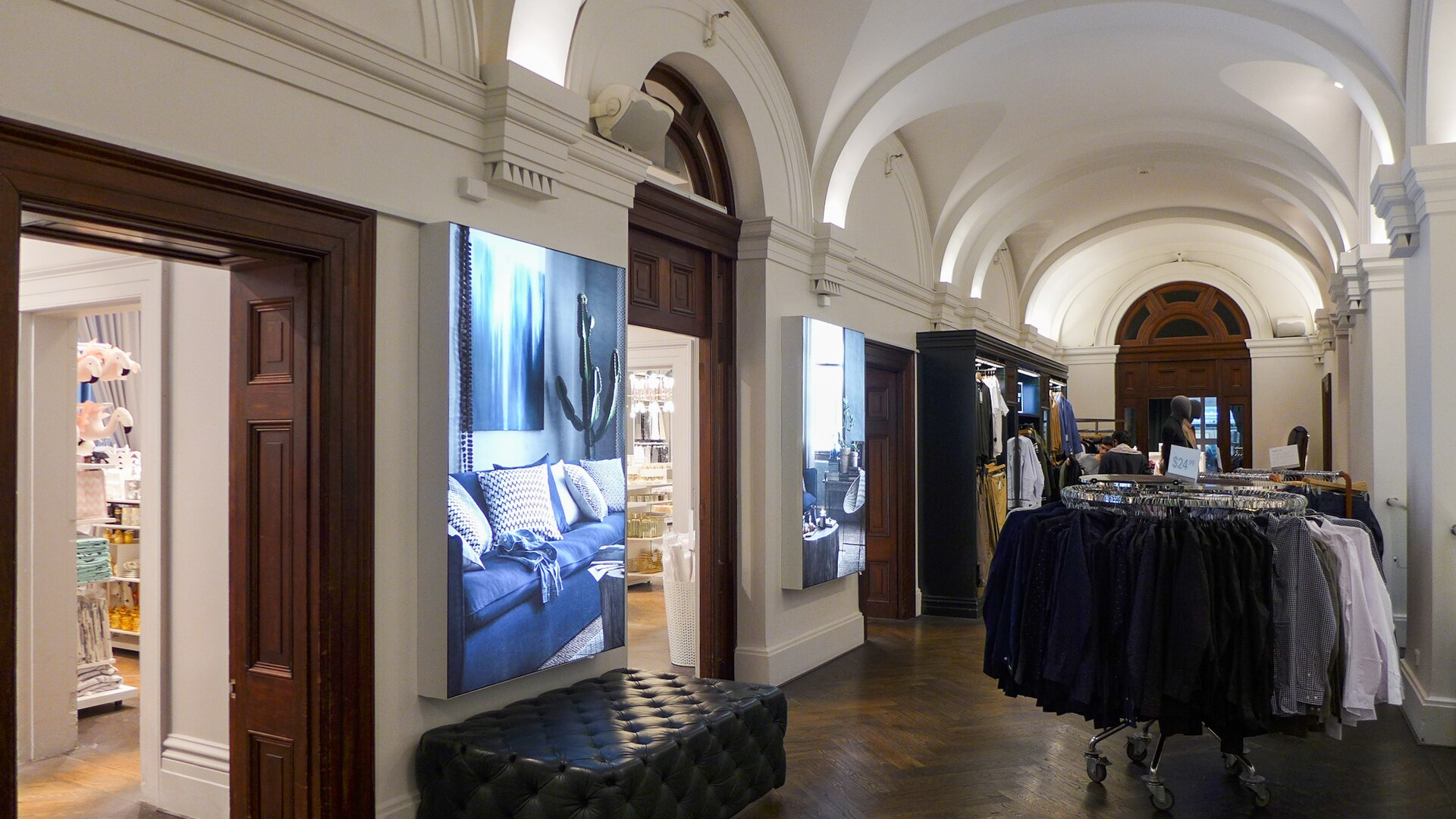
- Stores: more than 4,000 (2025).
- Online sales: available in more than 60 markets (2025).
- Sales in 2002: about 5.8 billion dollars, with 550 million items sold (Encyclopedia.com).
Awards and Honours
- International Award, National Retail Federation of the United States, 2000 (Encyclopedia.com).
In Their Own Words
“We have moved from one brand to become a multi-brand company with today nine brands,” Persson said in the H&M press release of 30 January 2020 that announced his departure from the chair.
“I will continue to be a committed owner, just as today, but from a different position,” he added in the same statement.
Read also: Ralph Lauren: How He Turned an Idea About the American Lifestyle into a Global Fashion Empire
References
Internal
- H&M Group: the Swedish fashion retailer and what it sells worldwide
- IKEA: the Swedish-founded home furnishing brand and how it works
- Amancio Ortega: How the Zara Founder Built a Fashion and Real Estate Empire
- Ralph Lauren: How He Turned an Idea About the American Lifestyle into a Global Fashion Empire
External
- H&M Group: Our history — 2026
- H&M Group: Stefan Persson proposes change of chairman, Helena Helmersson new CEO — 2020
- H&M Group: Full-year report 2025 — 2026
- H&M Group: Change of Managing Director — 2000
- The Irish Times (Bloomberg): H&M chairman Stefan Persson steps down — 2020
- Encyclopedia.com: Persson, Stefan — 2004