


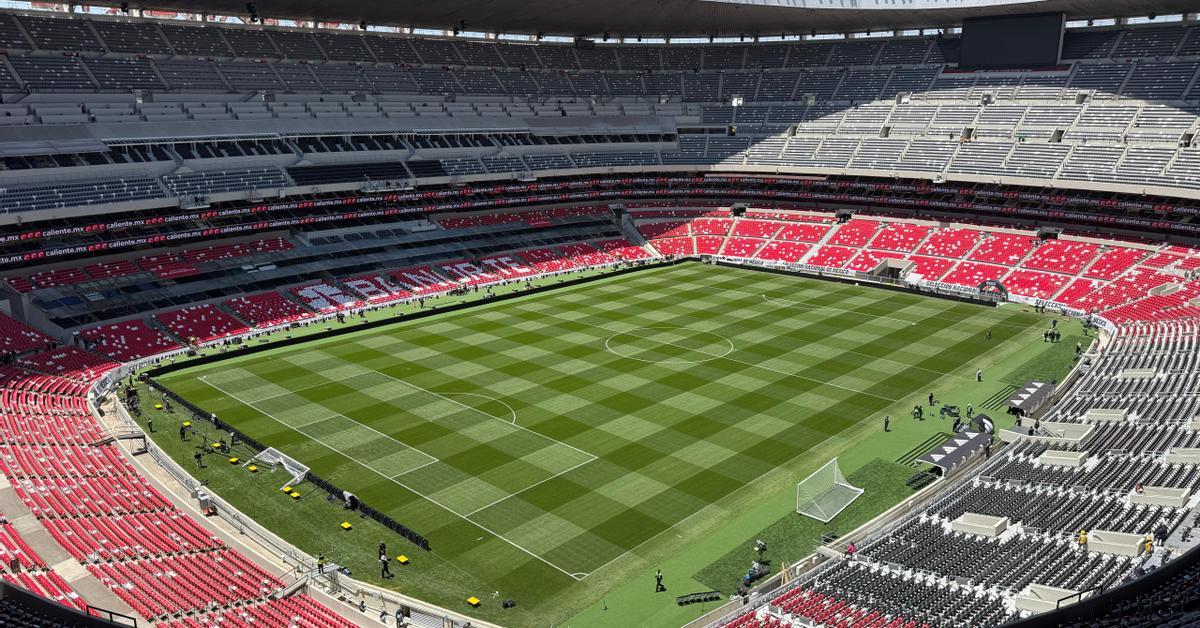
FPC Industries, a subsidiary of FIPCO, supplied more than 4,000 square meters of specialized PVC fabric for the newly renovated Azteca Stadium in Mexico, contributing to the stadium’s striking new feature known as the “Red Crown.”
From a Saudi Factory to a Global Football Landmark
The achievement marks a major milestone for FPC Industries, which only entered the technical woven fabrics sector in 2019, a market traditionally dominated by a small number of global manufacturers.
Despite intense competition and highly demanding technical requirements, the company succeeded in developing products capable of meeting the strict international standards required for large-scale infrastructure projects.
The fabrics were designed to maintain their strength, durability, and appearance for many years while enduring harsh environmental conditions.
Expanding Across More Than 20 Countries
Over the past few years, the company has significantly expanded its international footprint through participation in global trade exhibitions and partnerships with major engineering and consulting firms.
Its projects now span more than 20 countries, including the United Kingdom, France, Germany, Poland, Russia, and the United States.
Support from the Saudi Export Development Authority also helped the company gain international certifications and access new markets, enabling it to compete for prestigious global contracts.
A Saudi Signature on Football History
Azteca Stadium holds a unique place in football history as the only stadium ever to host three FIFA World Cup opening matches, in 1970, 1986, and now 2026.
The Saudi company secured the contract after demonstrating its ability to meet the project’s complex technical and engineering requirements.
For the company, the significance extends beyond the project itself. Having a Saudi-made product installed at one of the world’s most recognizable sporting venues symbolizes the growing global confidence in Saudi manufacturing.
Showcasing the Rise of Saudi Industry
The project highlights the rapid advancement of Saudi industry and its increasing ability to compete in high-value international markets.
It also reflects the broader goals of Saudi Vision 2030, which aims to diversify the economy, strengthen industrial capabilities, and expand the global presence of products carrying the “Made in Saudi” label.














