

In the popular imagination, the Arabian Desert is a place of scarcity, a sun-bleached expanse where survival is a daily negotiation with the heat. Yet, hidden within the wadis and rugged peaks of Saudi Arabia is a thriving, ancient ecosystem that produces one of the culinary world’s most complex ingredients. It is a paradox of nature, from the harshest environment comes the most delicate, potent sweetness. A honey that remains raw and unfiltered, retaining the grit and essence of the flora around it. It is a wild, untamed substance, harvested by nomads who chase the rain across a continent to capture the ephemeral bloom of the desert.
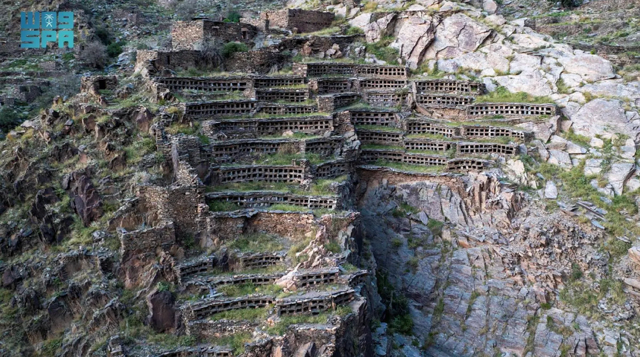
Saudi Arabian honey isn't just an agricultural product; it’s a cultural treasure. Historically, beekeeping in the kingdom traces back centuries, with ancient hives discovered in Al Kharfi village, nestled within the Maysan Governorate of the Makkah Province, testifying to a persistent tradition of honey production throughout the Sarawat Mountain range. One of the oldest methods, locally known as “Maqra” or Stone Hives technique, involved harvesting rare honey from hives built directly into mountain cliffs and caves. These apiaries are strategically hidden from both predators and poachers alike. The hives are meticulously angled to capture the first rays of the morning sun, ensuring the colonies are naturally regulated by the light. However, as modern agricultural methods have taken hold, these traditional practices have long faded into history.
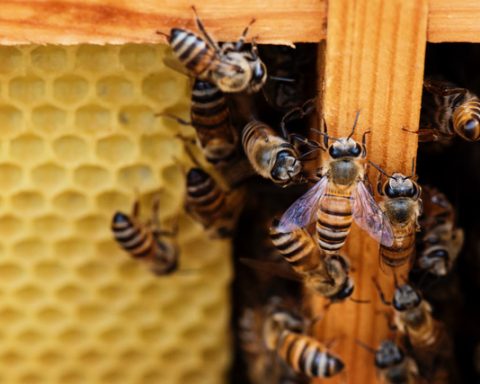
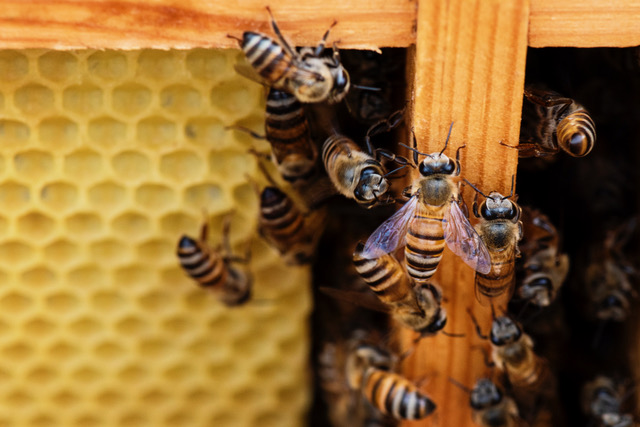
At the heart of this legacy is the Arabian honey bee (Apis mellifera), an indigenous species expertly adapted to Saudi Arabia's extreme climate. Unlike imported bees, which often struggle or perish in the Kingdom's blistering heat and arid conditions, these native bees have evolved resilience that makes them invaluable not only for honey production but also for agricultural pollination. This adaptation is no small matter. The Kingdom's environment is fierce, scorching summer temperatures can soar above 45 degrees Celsius (113°F), and floral resources vary drastically with season and region. Imported bees can't keep up and often succumb to the climate stress, leaving local beekeepers to rely heavily on the Arabian honey bee to meet the rising domestic demand for honey and to protect the delicate ecological balance.
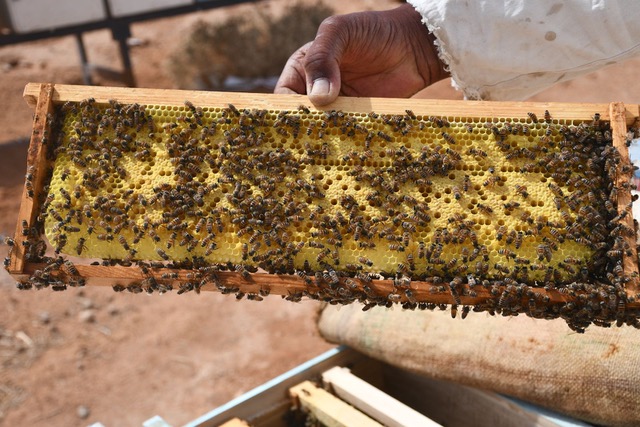
"The local bee is smaller than the imported species, but they are survivors," says Saeed Badghaish, a veteran beekeeper and the visionary founder of the artisanal brand Bee Ways. Badghaish, whose farms span the landscapes of Makkah and Madina and remain active year-round in the rugged provinces of Asir and Jouf, knows the grit of the native colony. "The Arabian honey bee knows this land. They are protective and can be aggressive, but that is because they must defend their hive against a harsh world.”
Honey farming in Saudi Arabia faces formidable challenges that test the resilience of the “Al-Nahhal,” the local title for a beekeeper, derived from “Nahl,” the Arabic word for bee. These practitioners often witness heavy colony losses, especially during the scorching summer months when the heat can be relentless. Imported bee species struggle to survive in these extreme conditions, which only highlights how crucial it is to protect the genetics of the native Arabian honey bee for long-term sustainability. On top of that, bringing in foreign bees isn’t without risks, they can introduce diseases and dilute the unique traits that make the Arabian honey bee so well-suited to the Kingdom’s tough environment. To tackle these issues, the government is stepping up with robust research and conservation programs to support the Al-Nahhal and secure the future of the Saudi harvest.
The Ministry of Environment, Water, and Agriculture (MEWA) plays a leading role, offering support and guidance to beekeepers across the country. It serves as the principal government agency providing logistical and advisory assistance to about 8,800 beekeepers who oversee nearly 1.8 million beehives nationwide. Recently, MEWA announced the establishment of seven new Queen Bee breeding and nucleus colony production stations across key regions including Jazan, Aseer, Madinah, Makkah, Hail, Tabuk, and Najran. These new centers are slated to become fully operational within the year and will complement the four existing stations in Abha, Al-Baha, Qassim, and Riyadh. The initiative aims to conserve the indigenous bee strains and address the shortage of bee colonies, as the Kingdom imports roughly 1.3 million nucleus colonies annually. The Kingdom produces over 5,000 tons of honey each year, positioning the apiculture sector as a vital contributor to the national agricultural economy.
Despite government efforts to modernize, beekeeping is a high stakes battle between ancient tradition and industrial progress. Many of the nation's apiarists remain loyal to a distinctive architectural method known as the "Kawarah." Also called the Log method or Log Hive, it involves using hollowed-out tree trunks stacked together, creating a natural "thermal fortress" against the sun. However, harvesting from these structures often damages the delicate internal honeycomb. The second approach is the modern Langstroth Box method, which features movable frames for efficient production, but these wooden boxes require additional shade to protect the bees from overheating.
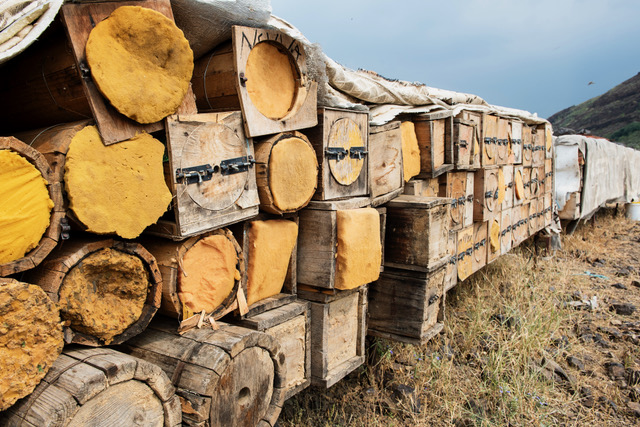
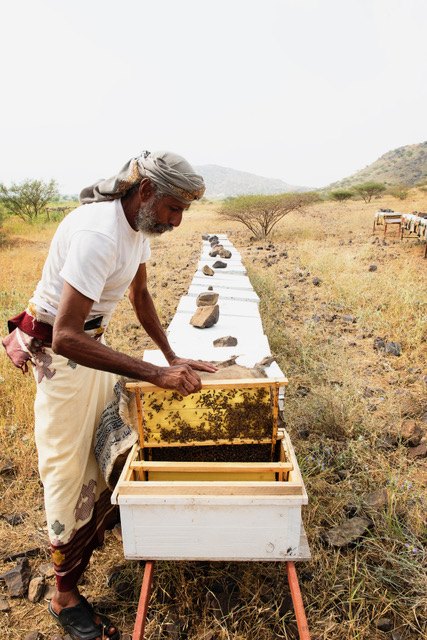
Regardless of the method used, the Saudi beekeeper cannot afford to stay still. Faced with seasonal shortages of forage, they must adopt a nomadic lifestyle. This is a complex logistical challenge. Convoys of trucks hauling long trailers, each carrying 100 or more colonies, crisscross the Kingdom’s highways from one province to another. These mobile apiaries are always on the move, with some beekeepers reporting that they relocate their colonies between three and six times a year to track the blooming of key forage plants. The Kingdom is home to unique wildflowers and trees that give its honey distinct flavors highly prized both locally and internationally. These floral sources are not only essential for producing high-quality honey but also reflect the country's diverse ecosystems, from rocky arid lands to more temperate mountainous zones.
"We have to listen to nature," explains Badghaish. "From November to February, we don't look for honey. We look for the bees. We move them to areas with heavy rain so the wild flora can support population growth. It is a partnership, not an extraction." This commitment to the bees' well-being is the foundation of the region’s organic movement. For beekeepers like Badghaish, true sustainability means a hands-off approach to the hive's internal world. "We don't interfere in their business," he notes. "We don't artificially replace the queen or manipulate the colony’s social structure."
This philosophy to the bees’ autonomy also decides the geography of their journey. Hives are placed at least five kilometers away from roads and inhabited areas to ensure the bees forage on pristine wild flora, far from city pollutants. By letting the bees live as nature intended, even while on the move, these keepers protect the heart of organic beekeeping. This mastery of the environment has earned Bee Ways honey a global prestige. The brand’s Organic Sumra Honey recently secured the elite 3-Star rating at the Guild of Fine Food in the UK, a testament to the fact that Saudi Arabia’s nectar can compete with the finest flavors out there.
While the Al-Nahhal relies on tradition, modern science also confirms the complexity of their craft. In the 2022 study “Comparing Saudi Honey with Honey in the Saudi Market,” authors Dr. Ibrahim Abdullah Alarify, Sameh Eldaw and Ahmed A. Rawwash explain that the liquid is far more than a simple sweetener. They note that "the types of honey not only differ in color, smell and taste, but also differ in chemical and therapeutic properties," with these qualities depending heavily on the specific plants and the soil in which they grow. The researchers define this "Saudi Gold" as a dense, viscous liquid that varies in density, moisture, and its ability to crystallize based on "the flowers from which nectar and pollen are derived, the type of worker (bee) that collected all that, and the time of its collection". This scientific data validates the nomadic journey of the beekeeper, every move to a new province is a deliberate attempt to capture a unique therapeutic profile that only the desert can produce.
The “Honey Atlas” by Dr. Ibrahim Abdullah Alarify extensively documents the synergy between the Saudi landscape and its hives, cataloging an array of honey as diverse as the Kingdom’s own biodiversity. For the Al-Nahhal, the nomadic lifestyle is a dedicated pursuit of these specific nectars, capturing the very essence of the region’s heritage. The following eight varieties represent a premier selection of the local harvest, each defined by a distinct profile:
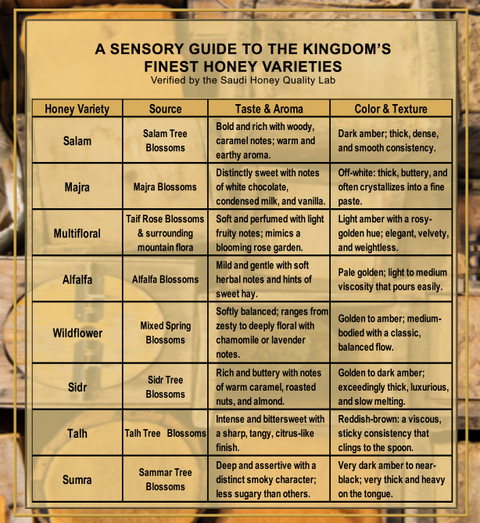
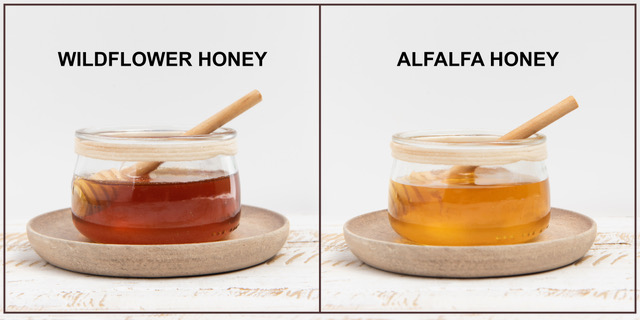
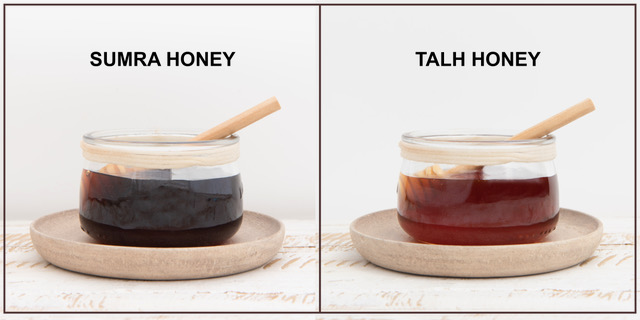
From the hollowed logs of the south to the nomadic trailers of the plains, Saudi honey is more than just a harvest, it is a profound partnership with the wild landscape. Whether savoring the smoky richness of an award-winning Sumra or the delicate floral notes of mountain Wildflower honey, each jar captures the resilient spirit of a land that endures against all odds. This golden nectar is a liquid archive where the ingenious architecture of the hive, the hardiness of the Arabian honey bee, and the expertise of the Al-Nahhal come together to transform the relentless desert heat into a sensory legacy. Saudi honey stands as a shining symbol of survival and innovation, a treasure born from extremes and nourished by a unique blend of environment, culture, and enterprise. It is, quite literally, the gold of the desert.