

Saudi telecom operators have room to earn money from more than mobile data as 5G networks mature, according to Ante Mihovilovic, vice president and head of networks at Ericsson Europe, Middle East and Africa. He set out the view in an interview published by Arab News on Saturday, 21 November 2026.
Mihovilovic pointed to three forces behind the Kingdom's progress: strong take-up of 5G, steady network expansion and wider use of fixed wireless access, which delivers home and business broadband over the mobile network. He credited sustained spending on capacity, coverage and digital infrastructure rather than any single revenue figure.
The next step, in his view, is a change in what operators sell. Instead of pricing connectivity mainly by the gigabyte, he said, they should build services around guaranteed performance and reliability for sectors where those qualities count most, including gaming, media, logistics and industrial operations. 5G Standalone networks and network APIs are among the tools he named to make that possible.
He also cautioned that faster connections do not create new revenue on their own. Operators need services customers value, workable business models and the right partners. Artificial intelligence is already part of the picture, helping operators automate processes, tune performance and manage resources during peaks such as Hajj, when demand for connectivity is extremely high.
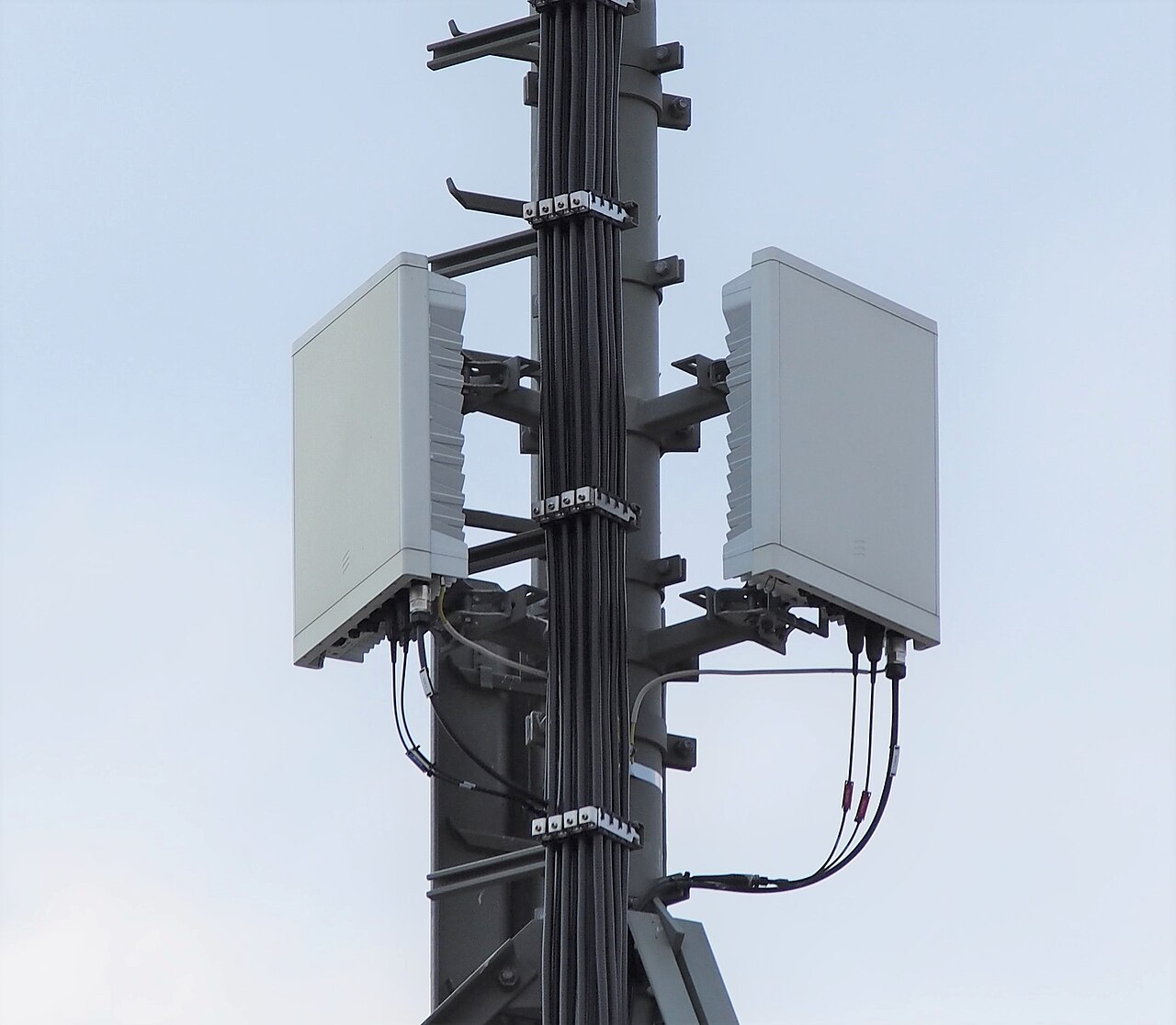
Investment has kept pace. In September, Ericsson and stc group signed a multi-year agreement at LEAP 2026 in Riyadh covering new sites, extra capacity, a larger 5G Standalone footprint and groundwork for differentiated connectivity services. The deal includes the world's first commercial deployment of the Ericsson Radio 4496, a single unit that combines four low-frequency bands, among them the 600 MHz spectrum stc recently acquired. At the same event, the Communications, Space and Technology Commission announced more than SR550 million ($146.7 million) in ICT infrastructure investments.
Earlier, in April, Minister of Communications and Information Technology Abdullah Alswaha met Ericsson President and CEO Borje Ekholm to discuss wider investment in advanced 5G, cloud, AI and automation. Mihovilovic said digital investment under Vision 2030 still has momentum and that demand reaches well beyond giga-projects such as NEOM.
Looking ahead to 2027, he ranked 5G Standalone and differentiated connectivity among the strongest revenue opportunities for operators in the region, with fixed wireless access remaining important. Ericsson has worked in Saudi Arabia for nearly five decades.