Saudi Arabia is strengthening its position in health-focused urban development after the number of Saudi cities accredited under the World Health Organization’s Healthy Cities program reached 21, making the Kingdom the regional leader in the number of accredited cities across the Eastern Mediterranean and North Africa.
The expansion reflects a broader approach to health and quality of life, with the Kingdom increasingly integrating health considerations into urban planning, education, environmental policies, community development and emergency preparedness rather than limiting healthcare efforts to medical facilities.
The initiative also supports the objectives of Saudi Vision 2030, which places quality of life, preventive healthcare and sustainable community development among its broader priorities.
Four New Cities Expand the National Total to 21
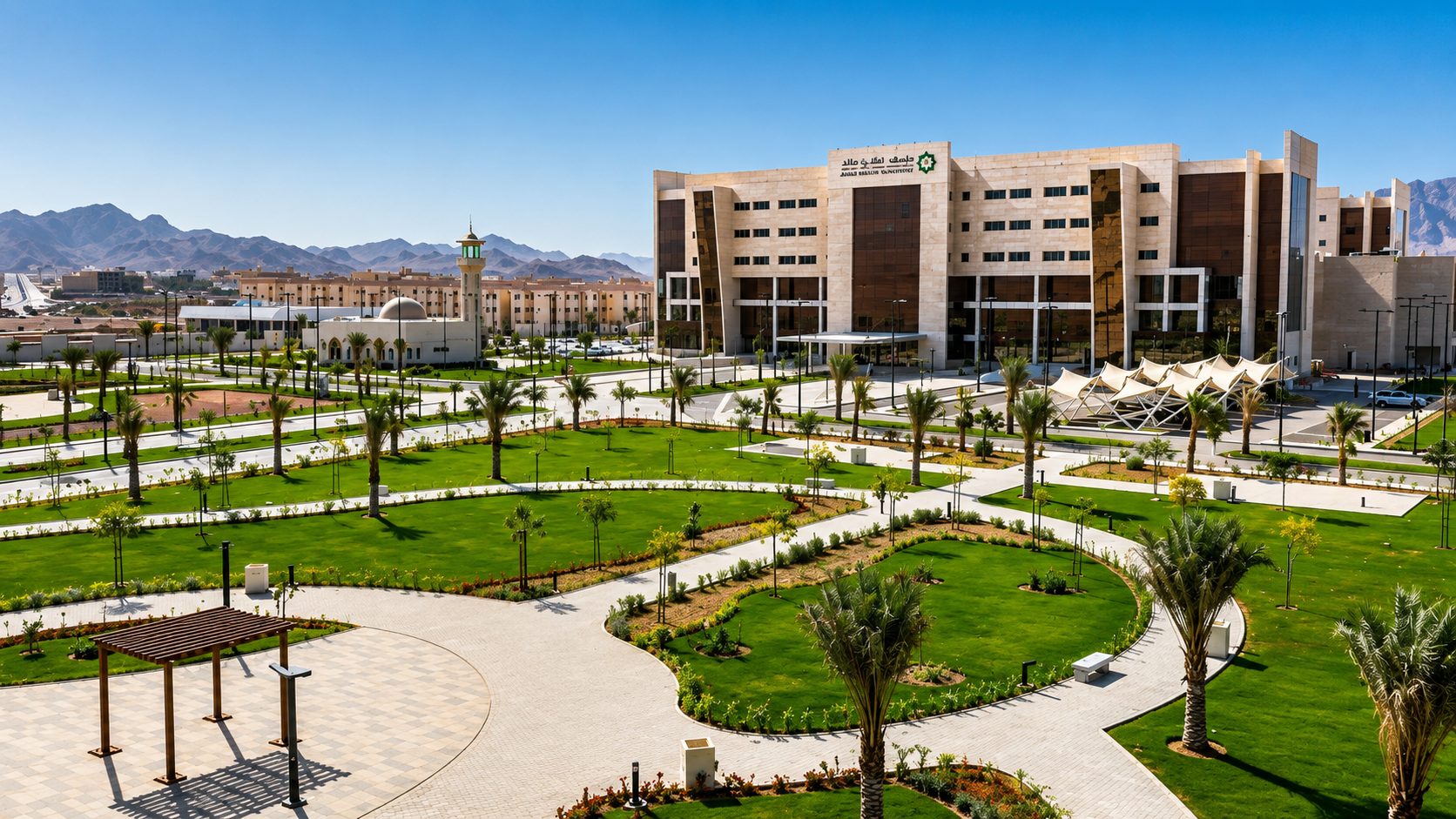
The number of accredited Saudi healthy cities increased following the addition of Abha, Muhayil Asir, Tarib and King Khalid University City to the program.
Their inclusion reflects the growing implementation of healthy-city standards across the Kingdom and a continued focus on creating urban environments that support healthier lifestyles, strengthen prevention and contribute to long-term improvements in quality of life.
The model brings multiple sectors and local stakeholders into the process of improving the conditions that directly and indirectly affect public health, making the Healthy Cities initiative a broader development framework rather than simply a healthcare classification.
80 International Standards Across Nine Areas
WHO Healthy City accreditation is based on 80 international standards covering nine major areas, addressing a wide range of factors that influence community health and development.
The standards include community empowerment for health and development, cross-sector cooperation and partnerships, community information centers, skills development and capacity building, as well as healthcare services and the urban environment.
They also cover emergency preparedness and response, education and support for small businesses, demonstrating that the Healthy Cities concept extends well beyond hospitals and medical centers to encompass the broader conditions in which people live, work and interact.
Integrating Health Into Urban Planning
The Healthy Cities model is built around integrating health considerations into policies and decisions that shape residents’ daily lives, including urban planning, environmental management, education and community services.
This approach recognizes that improving public health is not only about treating diseases after they occur. It also requires creating environments that support prevention, encourage healthier behaviors and provide suitable conditions for people to live, work and participate in daily activities.
Saudi Arabia’s expansion of the program comes as part of efforts by the Ministry of Health and the Ministerial Committee for Health in All Policies, alongside cooperation between government entities to apply Healthy City standards across additional areas of the Kingdom.
A Broader Model for Health and Quality of Life
The expansion of the Healthy Cities program reinforces prevention as an essential component of development while encouraging communities to participate in identifying local health priorities and improving their surrounding environments.
Applying the standards can also contribute to stronger emergency preparedness, improved services and closer cooperation among government institutions and community organizations.
The approach effectively positions health as a shared responsibility involving healthcare, education, environmental, municipal and community stakeholders rather than an issue addressed exclusively by the health sector.
Regional Leader and Fourth Worldwide
Saudi Arabia’s Healthy Cities program is the first WHO collaborating center of its kind in the region and the fourth globally, working with government entities to promote the concept of health as a shared responsibility across sectors.
With 21 Saudi cities now holding Healthy City accreditation, the Kingdom is expanding the reach of a model that connects public health with urban development and quality of life.
The achievement therefore represents more than an increase in the number of accredited cities. It reflects a broader shift toward a preventive and integrated approach to public health, where urban environments, community participation, education, emergency readiness and access to services all contribute to healthier and more sustainable communities.