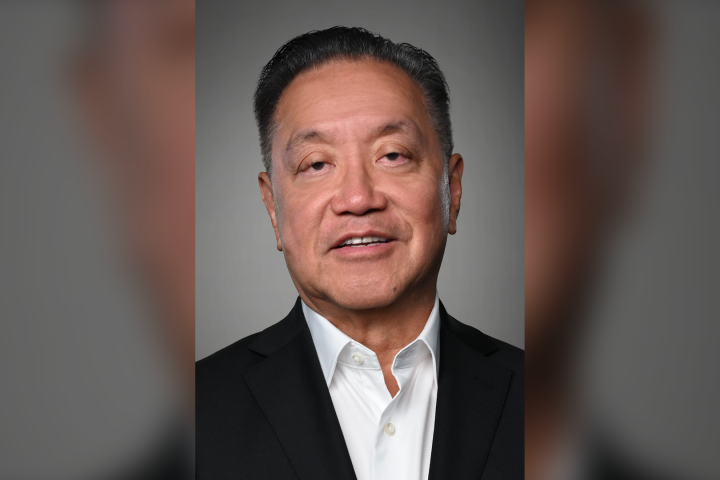


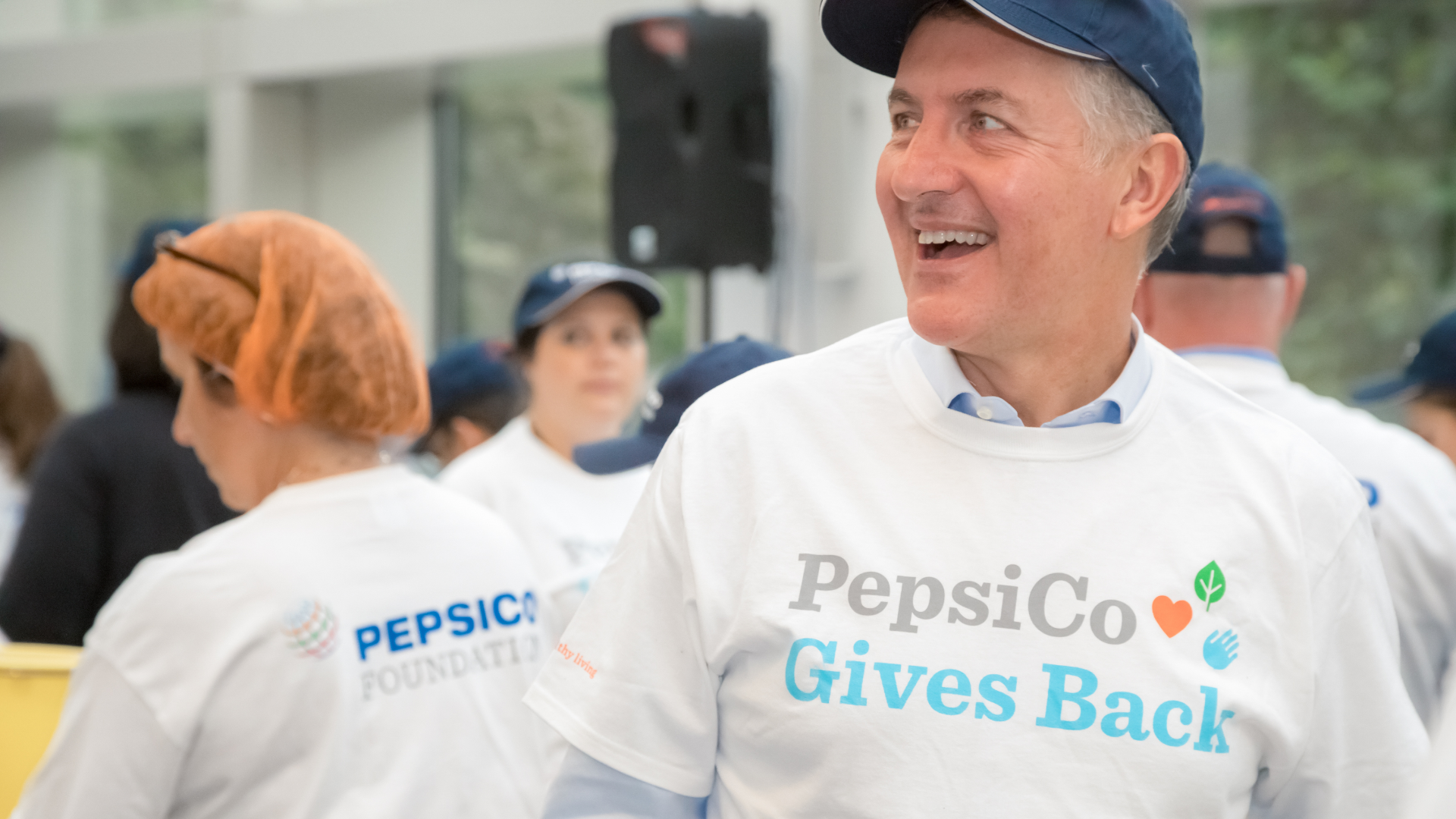
Ramon Laguarta is the chairman and chief executive officer of PepsiCo, the American food and drinks group behind Lay’s, Doritos, Gatorade and Pepsi-Cola. He became chief executive on October 3, 2018 and added the role of chairman of the board in 2019.
He has spent three decades inside the company, most of them in Europe, before moving to its head office in Purchase, New York. In 2025 PepsiCo reported net revenue of $93.9 billion, and Laguarta is now pushing a plan to restage its largest brands and widen its range of lower-sugar and functional products.
Education
Laguarta holds an MBA from ESADE Business School in Spain, according to his PepsiCo biography.
He also earned a Master in International Management from the Thunderbird School of Global Management in the United States.
Career
Before joining PepsiCo, Laguarta worked for Chupa Chups, the Spanish confectionery maker. His assignments there took him to markets in Asia, Europe, the Middle East and the United States as the company grew abroad.
He joined PepsiCo in 1996 as a marketing vice president for its snacks business in Spain. From 1999 to 2001 he was a general manager for the Greece snacks business, and from 2002 to 2006 he was general manager for Iberia snacks and juices.
His next steps were regional. He served as commercial vice president of PepsiCo Europe from 2006 to 2008, then led the PepsiCo Eastern Europe region from 2008 to 2012.
From 2012 to 2015 he was president of the developing and emerging markets unit of PepsiCo Europe. In January 2015 he became chief executive of PepsiCo Europe, and in July of that year he took charge of the wider Europe Sub-Saharan Africa sector, which he ran until September 2017.
In September 2017 he was named president of PepsiCo. In that post he was responsible for the company’s global category groups, global operations and corporate strategy, as well as The PepsiCo Foundation.
On August 3, 2018, the board appointed him chief executive officer and a director, with effect from October 3, 2018. He succeeded Indra Nooyi, who had led the company since 2006 and stayed on as chairman until early 2019, when Laguarta took on that title as well.
Current Roles
- Chairman of the board, PepsiCo, Inc. (since 2019)
- Chief executive officer, PepsiCo, Inc. (since October 2018)
- Member of the board of directors, IBM
- Member of the board, Business Roundtable
- Co-chair, World Economic Forum Board of Stewards for the Food Systems Initiative
He also served on the board of Visa Inc. until 2026, according to PepsiCo’s 2026 proxy statement.
Key Achievements
Three Growth Pillars
PepsiCo’s official biography says Laguarta has built the company’s growth plan on three pillars: changing the product portfolio, expanding the international business, and reaching new consumption occasions so its products are available in more places.
To support that plan, the company is modernising its supply chain, reworking its systems for getting products to stores, upgrading its technology and scaling up digital and artificial intelligence tools.
Away from home, PepsiCo has pushed into stadiums, arenas and parks in the United States with its Walking Taco snack format, while its “Food Deserves Pepsi” campaign pairs the cola with meals.
The pep+ Programme
PepsiCo describes pep+, short for PepsiCo Positive, as a company-wide transformation with sustainability at its centre. The company’s 2025 annual report calls it “now in its fifth year”, which places its start in 2021, during Laguarta’s tenure.
His company biography credits him with designing the framework, which links the way PepsiCo sources, makes and sells its products to its growth plans.
Changing the Recipe of Core Brands
Under pep+, PepsiCo has worked to cut added sugar, sodium and saturated fat in core brands such as Lay’s and Gatorade. It has also moved to remove artificial colours and flavours from Lay’s, Cheetos and Doritos.
The company has added products with functional benefits, including Pepsi Prebiotic Cola. In the Kingdom, the Public Health Authority has also been urging people to cut their added sugar intake.
Buying Into New Categories
Laguarta has used acquisitions to add brands in growing segments. PepsiCo’s 2025 annual report records two large deals in that year.
- January 17, 2025: purchase of Siete, a Mexican-American foods business, for $1.2 billion in cash
- May 19, 2025: purchase of poppi, a prebiotic soda business, for $1.95 billion in cash plus a contingent payment
Reshaping the Juice Business
In 2022 PepsiCo sold Tropicana, Naked, Izze and other juice brands to the investment firm PAI Partners. It kept a 39 percent stake in the new venture, Tropicana Brands Group, and remains its distributor for some channels in the United States.
A Simpler Operating Model
PepsiCo changed its operating model at the start of 2025 to share global services and streamline its processes. The same year it launched its first new corporate brand identity in nearly 25 years, part of an effort the company calls One PepsiCo.
The Company in Numbers
- Net revenue: $93.9 billion in 2025, up from $91.9 billion in 2024
- Fourth-quarter net revenue: $29.3 billion in 2025, up 5.6 percent
- Employees: about 306,000 worldwide at December 27, 2025, including about 125,000 in the United States
- Reach: products sold in more than 200 countries and territories (2025)
- Reported earnings per share: $6.00 in 2025; core earnings per share $8.14
- Dividend: 54th consecutive annual increase announced in February 2026, up 4 percent
PepsiCo is organised into six reporting segments, from its North American foods and drinks businesses to Latin America, Asia Pacific, and a unit covering Europe, the Middle East and Africa.
In Their Own Words
In PepsiCo’s results statement of February 3, 2026, Laguarta said: “PepsiCo’s fourth quarter results reflected a sequential acceleration in reported and organic revenue growth, with improvements in both the North America and International businesses.”
Looking ahead in the same statement, he said: “For fiscal 2026, we aim to accelerate growth by restaging large, global brands, introducing an expansive set of product innovation in emerging and functional spaces, and offering sharper value to address consumer affordability dynamics.”
Read also: Can Sparkling Water Aid Weight Loss? Experts Weigh In on the Science
References
Internal
- PepsiCo: the food and drinks group behind Pepsi, Lay’s and Gatorade
- IBM company profile
- Sugar Consumption in Saudi Arabia Reaches Concerning Levels as Public Health Authority Urges Healthier Daily Choices
- Can Sparkling Water Aid Weight Loss? Experts Weigh In on the Science
External
- PepsiCo: Ramon Laguarta, Chairman and Chief Executive Officer — 2026
- PepsiCo: 2026 Proxy Statement, director biography — 2026
- PepsiCo: Form 8-K on the appointment of Ramon Laguarta as CEO — 2018
- PepsiCo: Fourth Quarter and Full-Year 2025 Results — 2026
- PepsiCo: Annual Report on Form 10-K for 2025 — 2026
- PepsiCo: Shareholder Services, company history — 2026