
PepsiCo, Inc. is an American food and beverage company whose brands include Lay’s, Doritos, Cheetos, Gatorade, Pepsi-Cola, Mountain Dew, Quaker and SodaStream. Through its own operations, bottlers and other partners, it sells its products in more than 200 countries and territories.
The group reported net revenue of $93.9 billion for 2025. It is now reworking recipes to cut sugar, salt and artificial ingredients, while buying brands in faster-growing segments such as prebiotic soda.
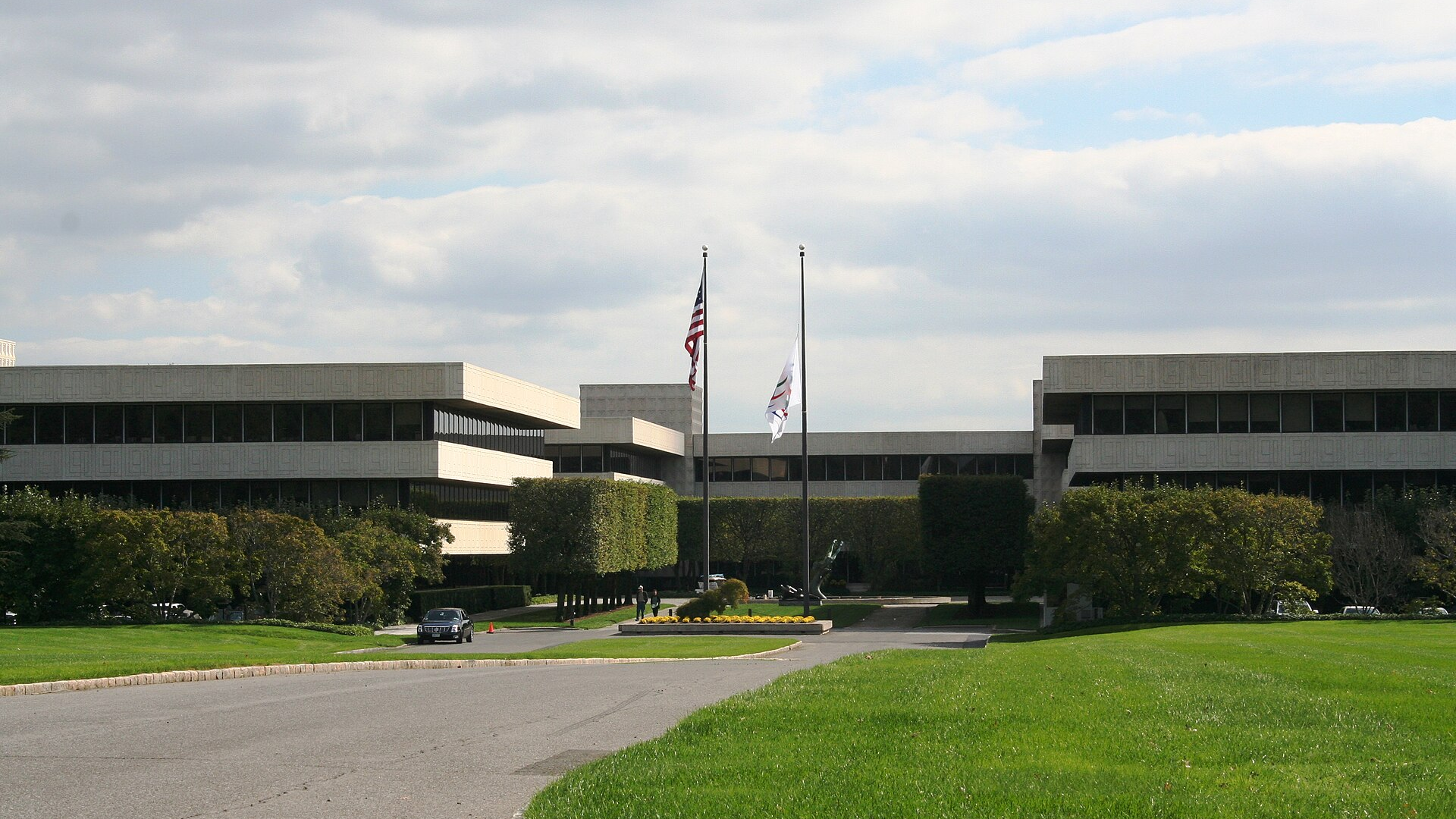
Overview and Founding
The company’s roots go back to New Bern, North Carolina, where pharmacist Caleb Bradham sold a drink he called “Brad’s Drink” in the 1890s. He renamed it Pepsi-Cola in 1898, and the Pepsi-Cola Company was incorporated in December 1902.
PepsiCo itself was created in 1965, when Pepsi-Cola merged with the snack maker Frito-Lay. The company was incorporated on June 8, 1965, and its founding chief was Donald M. Kendall, then head of Pepsi-Cola. Its head office is in Purchase, New York.
Key Milestones
- 1898: Caleb Bradham renames his drink Pepsi-Cola in New Bern, North Carolina.
- 1965: Pepsi-Cola and Frito-Lay merge to form PepsiCo.
- 1997: PepsiCo spins off its restaurant arm, including Pizza Hut, Taco Bell and KFC, as Tricon Global Restaurants, later Yum! Brands.
- 2001: PepsiCo merges with The Quaker Oats Company on August 2.
- 2018: Ramon Laguarta becomes chief executive on October 3.
- 2022: Tropicana, Naked, Izze and other juice brands are sold to PAI Partners, with PepsiCo keeping a 39 percent stake.
- 2025: PepsiCo buys Siete in January and poppi in May.
What It Does
PepsiCo makes, markets and sells drinks and convenient foods. In North America its foods unit sells chips, dips, cereals, granola bars, oatmeal and rice under names such as Lay’s, Doritos, Tostitos, Ruffles and Quaker.
Its North American beverage unit sells concentrates, syrups and finished drinks, including Pepsi, Mountain Dew, Gatorade, Aquafina and bubly. Outside North America it runs foods and beverage businesses in Latin America, in Europe, the Middle East and Africa, and in Asia Pacific, plus a franchise unit that includes SodaStream.
The company groups this work into six reporting segments. Its North American foods arm reported $8.3 billion of revenue in the fourth quarter of 2025 alone, and its North American beverage arm $8.2 billion.
Under its pep+ programme, now in its fifth year, PepsiCo is cutting added sugar, sodium and saturated fat in brands such as Lay’s and Gatorade and removing artificial colours and flavours from Lay’s, Cheetos and Doritos. That work comes as health bodies, including the Kingdom’s Public Health Authority, warn about high sugar consumption.
It is also adding drinks with functional claims, such as Pepsi Prebiotic Cola, and lower-calorie options, a market that includes the sparkling water its SodaStream machines make at home.
The two 2025 deals followed that line. Siete, a Mexican-American foods business, cost $1.2 billion, and poppi, a prebiotic soda maker, cost $1.95 billion in cash plus a contingent payment.
For 2026, the company has said it aims to restage large global brands, launch a wide set of new products in emerging and functional categories, and offer sharper prices to shoppers facing tighter budgets. It also plans what it calls a record year of productivity savings to pay for those investments.
Inside the company, PepsiCo changed its operating model at the start of 2025 to share global services and simplify its processes. In the same year it introduced its first new corporate brand identity in nearly 25 years.
In Numbers
- Net revenue: $93.9 billion in 2025, up 2.3 percent from $91.9 billion in 2024
- Fourth-quarter net revenue: $29.3 billion in 2025
- Employees: about 306,000 worldwide at December 27, 2025
- Reach: more than 200 countries and territories (2025)
- Dividend: 54th consecutive annual increase, announced February 2026
Leadership
Ramon Laguarta is chairman of the board and chief executive officer. He has been chief executive since October 2018 and chairman since 2019.
Steve Schmitt is executive vice president and chief financial officer, according to the company’s leadership page.