


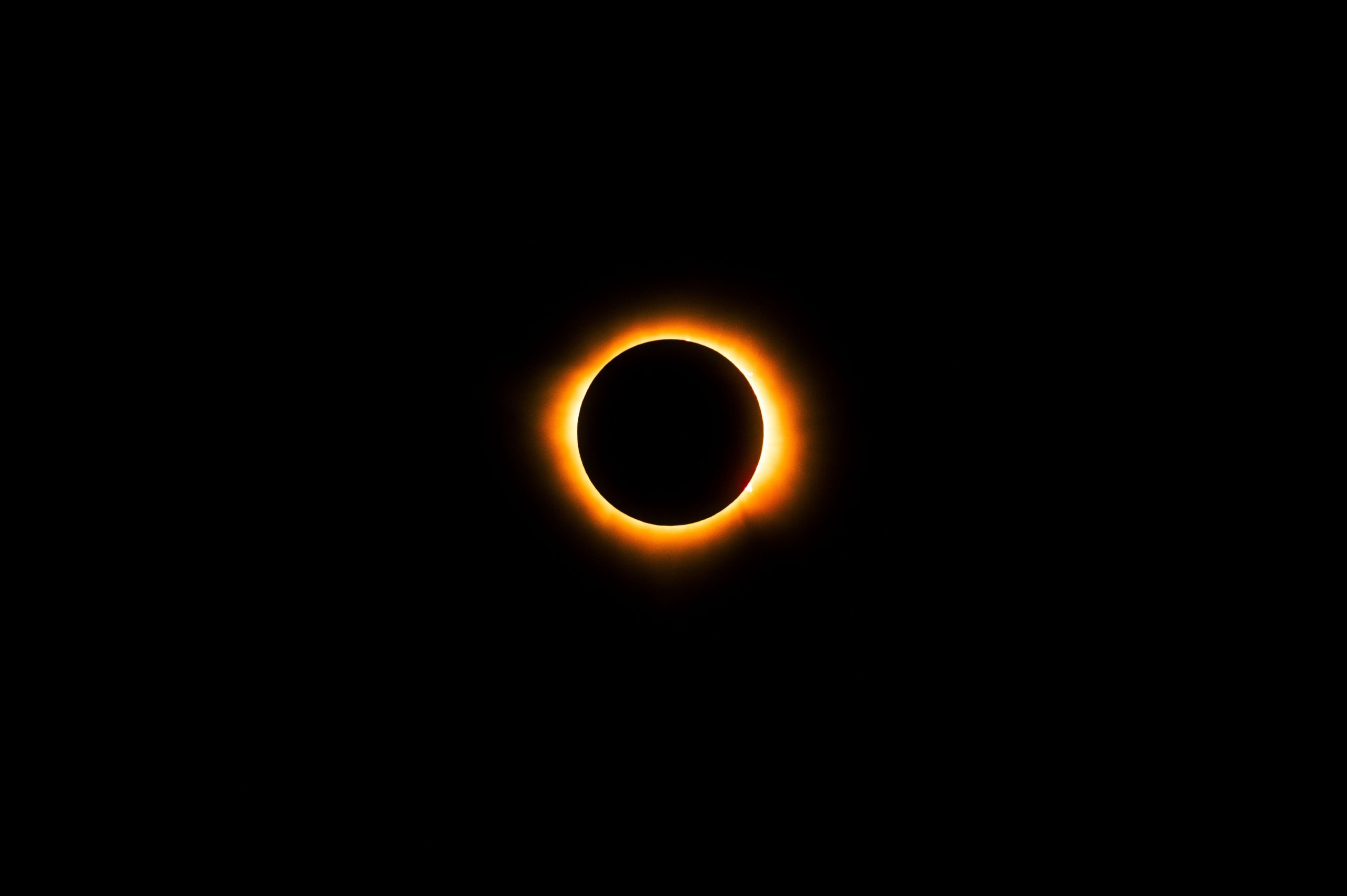
The total eclipse was visible across a limited area of northeastern Portugal, particularly in the Trás-os-Montes region near Bragança. Other parts of the country experienced a partial eclipse, with the percentage of the Sun covered varying according to location. NASA confirmed that the eclipse’s path of totality crossed parts of Greenland, Iceland and Spain before reaching a small area of Portugal.
26 seconds of totality
In the Bragança region, totality lasted for roughly 26 seconds, creating a brief period in which the Moon completely covered the Sun before daylight returned. The area was among the key locations in Portugal situated within the path of totality.
The eclipse occurred late in the day as the Sun approached the horizon. In locations within the totality path, the total phase peaked at around 7:30 p.m. local time.
Another total eclipse not expected until 2144
The event was particularly significant for Portugal because the country had not witnessed a total solar eclipse since 1912, a gap of 114 years.
According to Portuguese astronomical sources, another total solar eclipse visible from Portugal is not expected until 2144, making Wednesday’s event one of the country’s most remarkable astronomical spectacles in more than a century.
The August 12 eclipse was part of a major celestial event whose totality path crossed areas of the Northern Hemisphere, while large parts of Europe, North Africa and North America experienced a partial solar eclipse.
Eye safety remains essential
Astronomers and experts stressed that viewers must never look directly at the Sun during the partial phases of an eclipse without proper certified eye protection. Direct exposure to sunlight can cause serious eye damage.














