


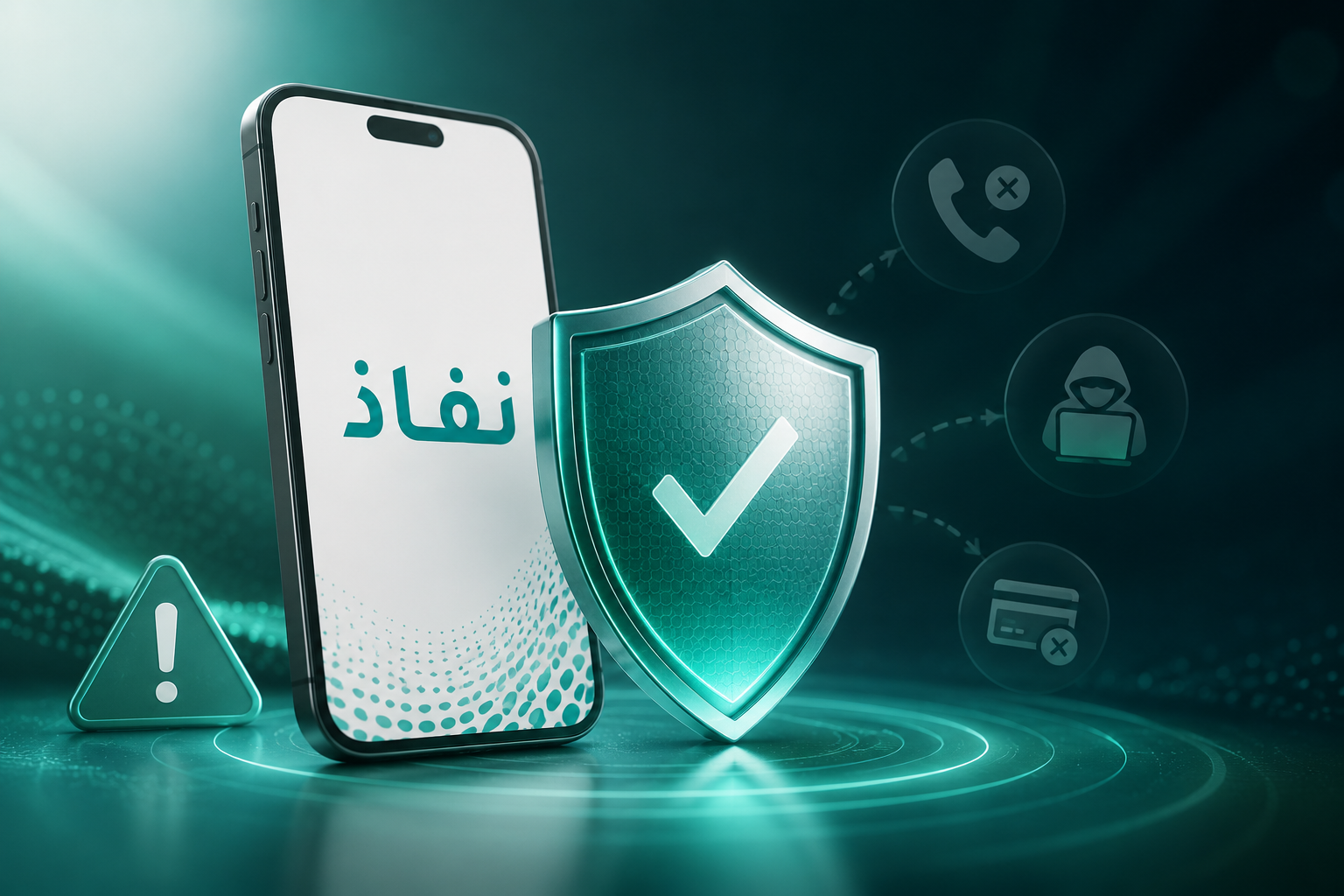
Cybersecurity specialists have warned of a new wave of phone scams targeting users of Saudi Arabia’s Nafath digital identity platform.
Fraudsters are reportedly impersonating government agencies or official technical support teams in an effort to obtain sensitive personal information and gain access to digital accounts.
The attacks rely heavily on social engineering techniques designed to exploit trust and pressure victims into sharing confidential details.
How the Scam Works
The fraud typically begins with a phone call that appears legitimate.
Callers claim to represent a government authority or a technical support department and tell users that their account requires an urgent update, security enhancement, or reactivation.
Victims are often warned that failure to act immediately could result in account suspension or disruption of important digital services.
Social Engineering at the Core
Scammers use professional language and convincing communication methods to build credibility and gain the victim’s confidence.
As the conversation progresses, they request one-time verification codes, login credentials, or other sensitive information under the pretext of completing security procedures.
Providing such information can give attackers direct access to digital identity accounts and related services.
Why Nafath Is a Valuable Target
The danger of these attacks lies in the central role Nafath plays within Saudi Arabia’s digital ecosystem.
The platform serves as a unified gateway to numerous government and electronic services, meaning a compromised account could expose sensitive personal data or allow unauthorized transactions.
Experts note that these scams focus more on manipulating people than on breaching technical systems.
Official Warnings Continue
Saudi cybersecurity authorities have repeatedly stressed that government entities never request passwords, verification codes, or confidential information through phone calls or unsolicited messages.
All legitimate updates and account-related procedures are conducted exclusively through official channels.
Digital Awareness Remains the Best Defense
As digital services continue to expand, cybercriminals are becoming increasingly sophisticated in their tactics.
Experts recommend never sharing verification codes or sensitive account information with anyone, regardless of how convincing a caller may sound.
Users are encouraged to end suspicious calls immediately and verify any claims directly through official government channels.
Maintaining strong digital awareness remains one of the most effective ways to protect personal information and prevent falling victim to online fraud.














