


Najran is strengthening its position as one of the Kingdom’s promising agricultural regions through a series of innovative farming initiatives aimed at diversifying crop production, improving efficiency, conserving water resources, and supporting long-term food security goals.
Over recent years, research institutions, local farmers, and supporting organizations have collaborated on field-based agricultural projects that include soil and water studies, testing new crop varieties, and providing training programs designed to promote modern farming techniques and sustainable agricultural practices.
Promising Results from Rice Cultivation
One of the region’s most successful initiatives has been the cultivation of rice using drip irrigation systems. The project demonstrated that farmers can achieve strong yields while significantly reducing water consumption compared to traditional cultivation methods.
The experiment showed that selecting suitable seed varieties and applying modern irrigation management techniques can make rice a viable crop for local production while preserving valuable water resources.
Stevia Emerges as a High-Value Crop
Najran has also recorded encouraging results in the cultivation of stevia, a natural low-calorie sweetener increasingly used in food and beverage products worldwide.
The crop has adapted well to local environmental conditions and can be harvested multiple times throughout the year, offering attractive economic opportunities for farmers seeking high-value agricultural products.
Legumes Improve Soil Health
Agricultural trials have also introduced legume crops such as beans into local farming systems. These crops naturally enrich soil with nitrogen, reducing the need for chemical fertilizers while improving soil fertility and moisture retention.
Such practices contribute to sustainable agriculture and support long-term productivity improvements.
Modern Farming Technologies
The region’s agricultural development efforts extend beyond crop selection to include advanced technologies such as greenhouse farming, hydroponics, and vertical agriculture.
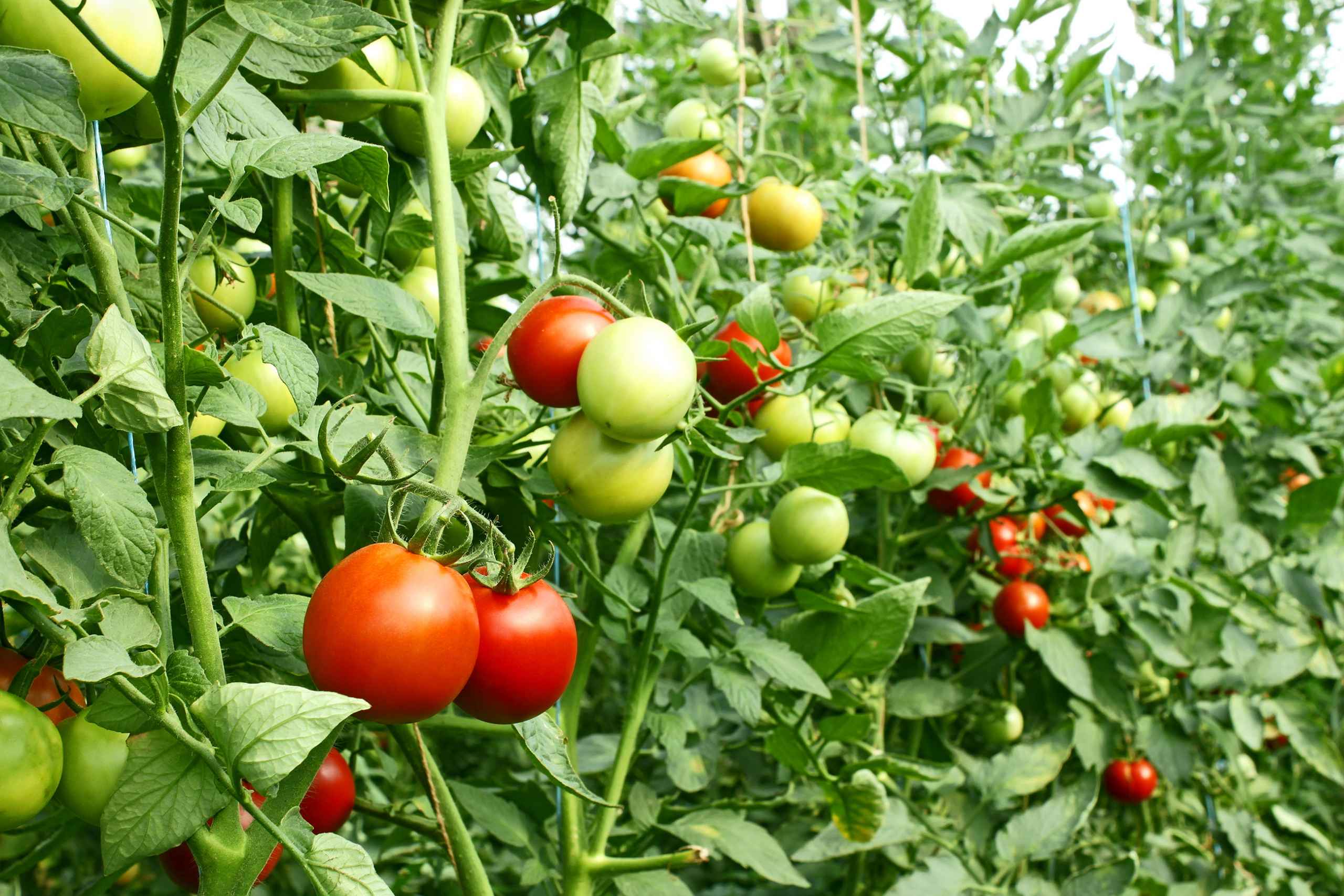
Farmers have also successfully experimented with a variety of crops including strawberries, sesame, coffee, and vegetables, helping improve productivity, product quality, and resource efficiency.
Building a Sustainable Agricultural Future
Experts attribute the success of these projects to several factors, including fertile valley soils, favorable climate conditions, improved irrigation management, and ongoing soil enhancement programs.
With continued research support, technical assistance, farmer training, and market development initiatives, Najran is emerging as a leading example of sustainable agriculture in the Kingdom and a key contributor to future food security objectives.














