


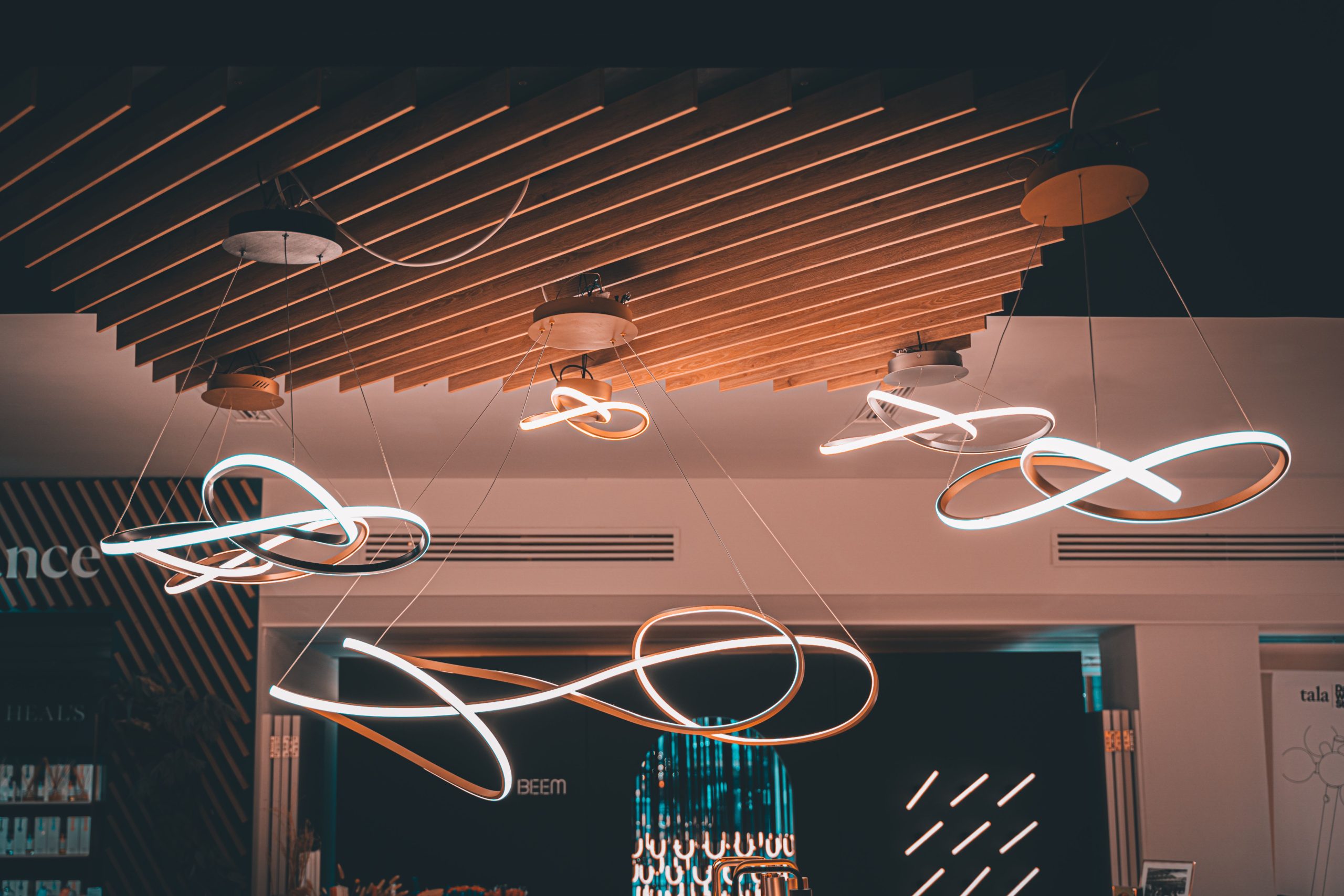
Sleep experts warn that prolonged exposure to blue light from screens and modern lighting, including smartphones, computers, and LED lights, can directly affect melatonin production, making it harder to relax and fall asleep.
Blue Light and Its Impact on the Body Clock
The human body relies on a natural internal system to regulate the sleep-wake cycle over 24 hours.
Cortisol levels rise in the morning to promote alertness, while melatonin production increases in the evening to prepare the body for sleep.
The problem begins when people are exposed to artificial light at night, especially blue light emitted from smartphones, tablets, laptops, and even household lighting such as fluorescent and LED bulbs.
This light suppresses melatonin production and delays sleepiness, keeping the body in a state of alertness rather than allowing it to naturally relax.
Its impact goes beyond delayed sleep, as it can also reduce deep sleep and REM sleep, both of which are essential for mental and physical recovery.
How to Reduce the Impact of Devices on Sleep
The negative effects of electronic devices can be reduced through simple daily habits that significantly improve sleep quality.
One of the most effective strategies is avoiding screens at least one hour before bedtime, giving the brain time to return to its natural sleep rhythm.
It is also recommended to keep bedrooms free from screens and avoid watching TV or using phones while in bed.
Lighting also plays an important role, so using dim warm-colored lights such as yellow or orange is better than bright white lighting.
For those who must use devices at night for work or study, activating night mode, lowering screen brightness, or wearing blue-light-blocking glasses can help.
Experts emphasize that better sleep does not require complicated changes, it often begins with small daily habits, especially reducing blue light exposure and creating a healthier sleep environment.














