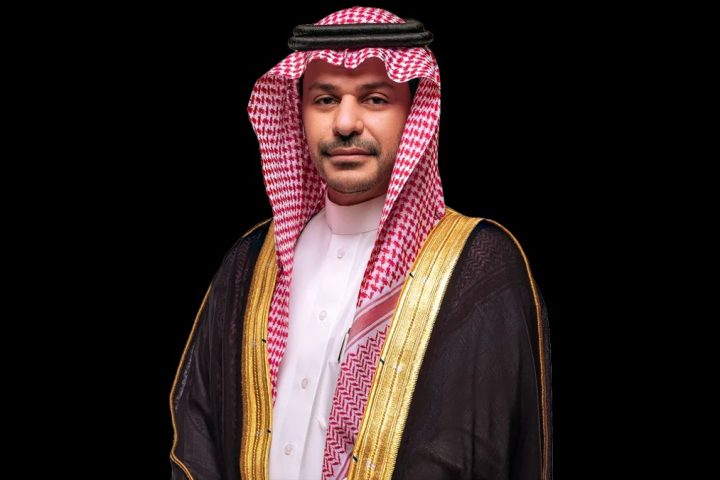


As Saudi Arabia accelerates its transformation into a global technology economy, Lebanon is looking to its formidable human capital to rebuild from within. Minister of State for Technology and Artificial Intelligence Dr. Kamal Shehadi sees an opportunity for technology to become more than an economic instrument. It could become common ground.
For generations, the relationship between Saudi Arabia and Lebanon has been written through commerce, culture, migration, tourism and politics. Its next chapter may be written in code.
Artificial intelligence is creating an unusual diplomatic space across the Middle East. Unlike many of the region’s traditional political questions, technology begins with a different vocabulary: skills, investment, infrastructure, entrepreneurship, productivity and opportunity.
And that vocabulary gives Saudi Arabia and Lebanon considerable room to speak.
Saudi Arabia is investing heavily in building an AI-enabled economy under Vision 2030. Lebanon, meanwhile, possesses something considerably harder to manufacture: generations of engineers, entrepreneurs, academics and technology professionals whose influence extends well beyond the country’s borders.
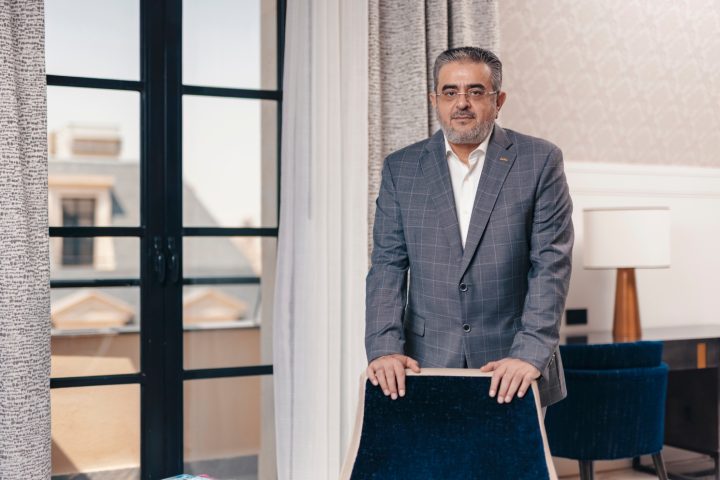
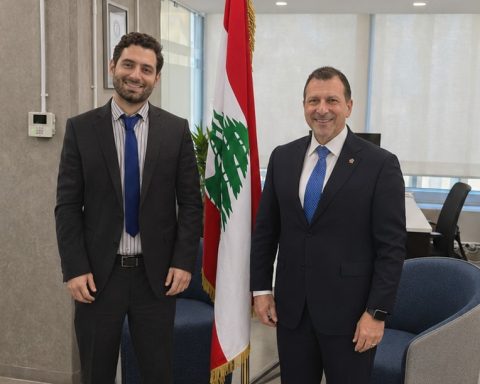
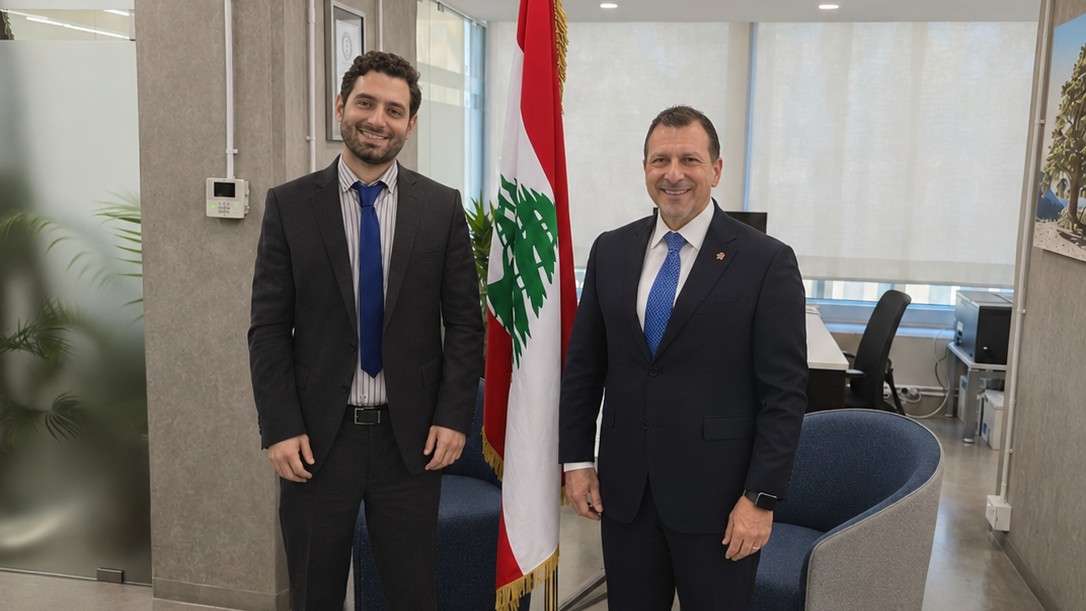
At the intersection sits H.E. Dr. Kamal Shehadi, Lebanon’s Minister of the Displaced and Minister of State for Technology and Artificial Intelligence, whose mandate places him at the center of Lebanon’s attempt to translate its celebrated human capital into functioning digital institutions and economic opportunity.
Shehadi has argued publicly that artificial intelligence should serve national development, strengthen institutions and create new economic opportunities. His ministry has also been pursuing partnerships linking technology policy with education, research and workforce development.
But perhaps the more intriguing proposition extends beyond Lebanon itself.
AI as Common Ground
Can technology become a form of diplomacy?
Not diplomacy in its traditional sense of communiqués, protocols and bilateral meetings, but something more practical: two countries solving problems together.
That possibility becomes particularly compelling when considering Saudi Arabia and Lebanon.
Shehadi has already spoken positively about Saudi Arabia’s renewed engagement with Lebanon, describing Saudi decisions concerning Lebanon as helping return the country to its Arab environment.
AI offers the relationship another lane entirely.
From Riyadh to Beirut
A glimpse of that model emerged this summer.
The Kanz AI Training Hackathon brought together Saudi institutional support, Lebanese technology leadership, universities, private-sector partners and thousands of participants across borders.
The program ultimately attracted participants from 170 countries and secured a Guinness World Records achievement after 14,075 users participated in a single artificial-intelligence video lesson. Lebanon’s Ministry of State for Technology and Artificial Intelligence participated through its national NUMŪ program, while Saudi Arabia’s Ministry of Human Resources and Social Development was among the central partners.
For Kanz founder Roy Baladi, the initiative demonstrated something larger than scale: technology education can move rapidly across borders when institutions agree on an outcome.
For Lebanon, the numbers were particularly revealing. Public reporting around the program points to thousands of Lebanese participants and more than a thousand locally produced AI applications, giving policymakers something more tangible than another conference about the future.
They had people building it.
A Saudi-Lebanese Technology Corridor
The more ambitious question is what comes next.
Saudi Arabia offers capital, market scale, infrastructure and a national transformation agenda increasingly centered on technology. Lebanon offers a deep technology diaspora, universities, multilingual talent and an entrepreneurial culture accustomed to operating internationally.
Those characteristics are complementary.
The opportunity could eventually extend from AI training and research to startup acceleration, university partnerships, digital government, cybersecurity, investment and workforce mobility.
Technology as a Peace Builder
There is another possibility worth considering. Technology cannot resolve political disputes. AI cannot substitute for diplomacy, institutions or trust. But technology can create reasons to cooperate.
An engineer in Beirut and an entrepreneur in Riyadh do not need identical political histories to build the same product. A Lebanese university and Saudi company do not need to resolve every regional disagreement before collaborating on AI research. They need a problem worth solving.
That makes technology an increasingly powerful form of soft infrastructure between societies.
The Future With Saudi Arabia
Saudi Arabia’s transformation also changes the equation for Lebanese technology talent.
For decades, many of Lebanon’s most capable professionals built their careers elsewhere. Today, a rapidly expanding Saudi technology economy creates a major regional market only a short flight from Beirut.
The opportunity is therefore not simply Lebanese talent moving to Saudi Arabia.
It is Lebanese companies building for Saudi Arabia. Saudi investors backing Lebanese innovation. Universities collaborating. Entrepreneurs moving between ecosystems. Governments exchanging digital expertise.
And perhaps most importantly, young Arabs seeing opportunity inside the region rather than assuming their future must exist outside it.
The future of Saudi-Lebanese relations will certainly not be determined by artificial intelligence alone.
But technology offers something the region has historically found difficult to manufacture: neutral territory on which to imagine the future together.
And sometimes diplomacy begins not with agreement about the past, but with deciding what is worth building next.