

Long before Saudi tourism commanded the world’s attention, Basel Talal was opening hotels across the Kingdom. More than two decades later, his career reveals how national ambition becomes an industry built to last.
Saudi Arabia’s tourism transformation can now be counted in millions. The Kingdom recorded 122.6 million domestic and inbound tourists in 2025. By the end of August that year, tourism-related employment had passed one million jobs.
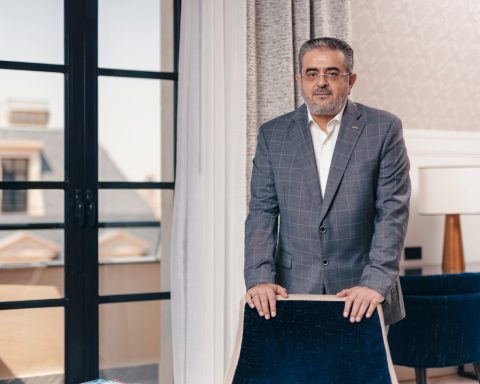
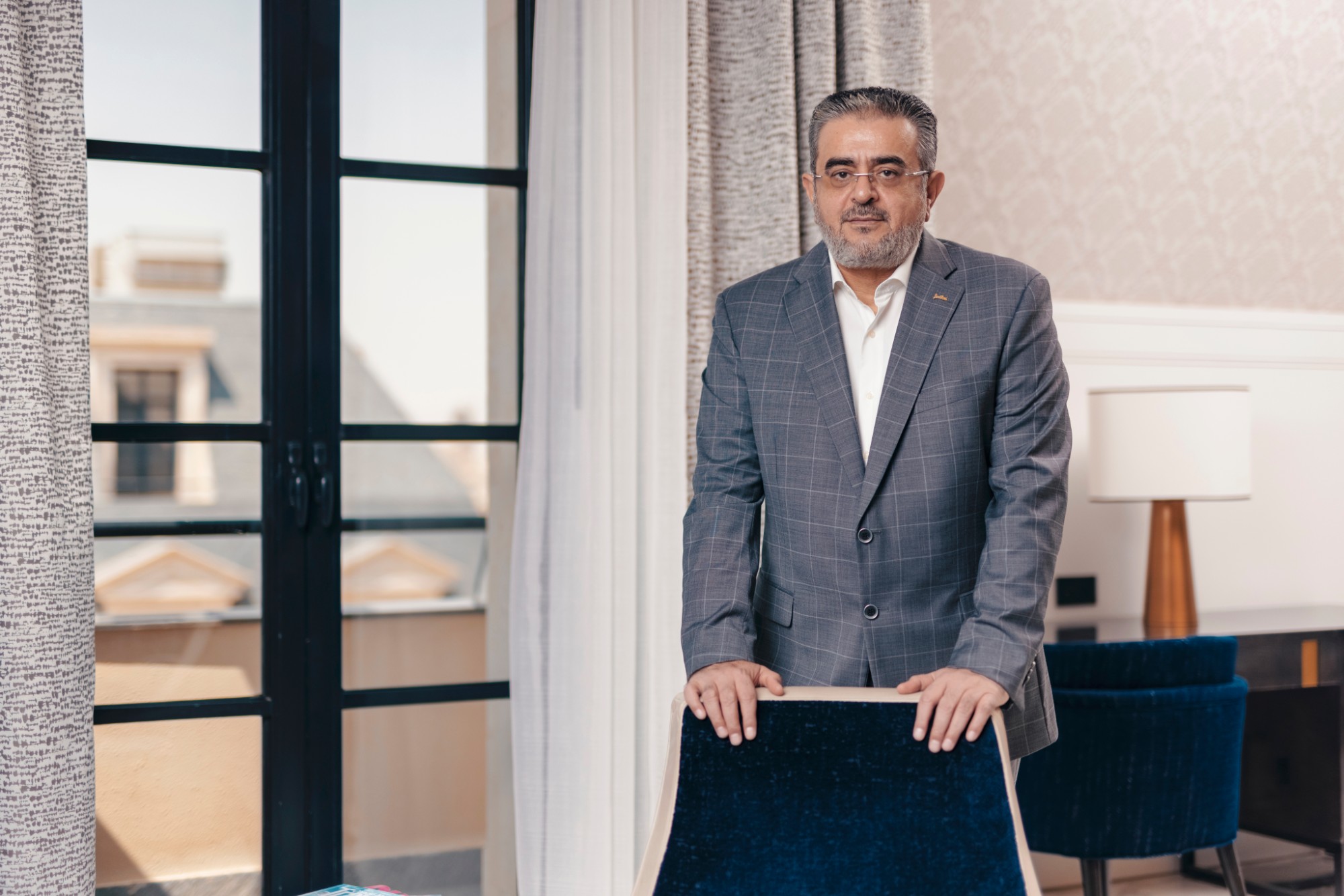
Basel Talal, Managing Director for Saudi Arabia, Kuwait and the Levant at Radisson Hotel Group, has spent 32 years with the company and more than two decades helping build its presence in the Kingdom. He oversees the group’s operations and profitability across three distinct markets. Saudi Arabia is where his career has become inseparable from one of the world’s most closely watched hospitality transformations.
Talal remembers a Saudi hotel market that could be counted very differently: Radisson had four properties, no national office and a name many customers did not yet recognize. The distance between that market and the one he operates in today shows how national ambition became operating reality. It can be seen in airports and destinations, but also in the less visible work inside a hotel: the Saudi manager trusted with an owner meeting, the first team prepared for an opening, and the guest who discovers that a journey across the Kingdom is now possible.
Talal’s career began before Vision 2030 and helps explain what the Vision activated. Private-sector experience met a national program with the leadership, capital and conviction to move at scale. He did not arrive after Saudi hospitality became a global growth story. He stayed long enough to help build the operating discipline beneath it.
Learning the Kingdom from the road
When Talal began expanding Radisson’s Saudi presence, geography was an operating challenge. Properties were separated by long distances, specialist support was scarce, and a new hotel could not wait for help to arrive from another country. “Saudi Arabia is a continent,” he says. The phrase is affectionate, but exact. Anyone building a national portfolio must understand the differences between its regions as well as the scale between them.
Talal built a mobile opening team of six to eight specialists, drawing experienced people from engineering, operations and other functions. The unit moved into each property, established standards, trained the local team and left only when the hotel could operate on its own. Close supervision and support from the area team remained available when needed.
“This is how we grew the portfolio quickly: by having a center of excellence of six, seven, eight people in different fields. I could take them with me, get the hotel open, and come back.”
The method turned distance into a development system. By 2013, Radisson had five Saudi hotels. Today, Talal says, it operates 34, excluding properties in the pipeline. Some years brought six, seven or eight openings. Each launch expanded more than the property count. It created another base of local knowledge, another group of employees ready for promotion and another proof point for owners considering the brand.
Talal entered hospitality almost by accident. While studying architecture, unforeseen circumstances interrupted his final year and pushed him to change direction. His university project was an airport with two hotels, and to understand how they should operate, he spent a month working in one without pay. That experience led to a night manager role in Aqaba, Jordan, turning a temporary job into a 32-year career.
“It was a temporary job until I got my degree. But once I got the bug for hospitality, khalas. Nothing could stop me.”
He moved from Aqaba to Muscat and then, in 2002, to Jeddah for a hotel conversion. Saudi Arabia gave him the international exposure he had wanted, but it also asked more of him. Radisson had to introduce itself through corporate clients, consulates, embassies and local communities. The company earned recognition hotel by hotel, relationship by relationship.
The moment national ambition accelerated
Vision 2030 gave Saudi tourism a national direction and an urgency the private sector could build around. Aviation, culture, heritage, entertainment, pilgrimage, infrastructure, investment and training began moving toward the same outcome: a Kingdom more open to discovery and more capable of delivering the experience it promised.
Talal measures the change first in people. “For me, it is not about buildings. It is about the shift in mentality.” He compares the Kingdom of 2014 or 2015 with the country he operates in now and describes a complete change in expectations. Saudi talent sees hospitality as a career. Owners see it as a serious asset class. International visitors see reasons to travel beyond the routes they already knew.
The buildings still matter, of course. Their deeper value comes from the confidence behind them. Saudi Arabia has shown that a tourism economy can be built around its own history, landscape, faith and culture while meeting international operating standards. The result is a market that is no longer waiting for the world to define it.
Talal’s development test is disciplined. Major commercial centers come first. Smaller cities enter the plan when a repeatable source of demand exists, such as an airport, university, hospital or industrial cluster. “A city without an airport is half paralyzed,” he says. His point is strategic: national ambition still requires every hotel to work as a business after the opening ceremony.
That logic supports concentration around Riyadh, Jeddah, the holy cities and the Eastern Province, followed by selective growth in the markets he names, including Yanbu, Najran, Buraidah, Hail and Jizan. A property succeeds when the destination, infrastructure and local economy give guests a reason to arrive and return.
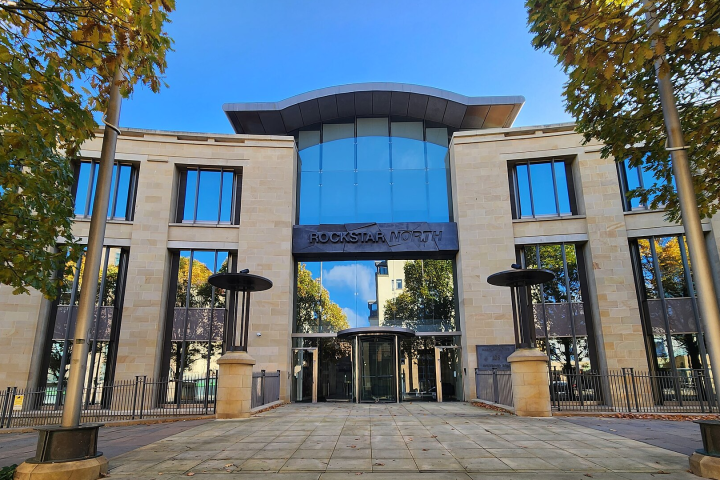
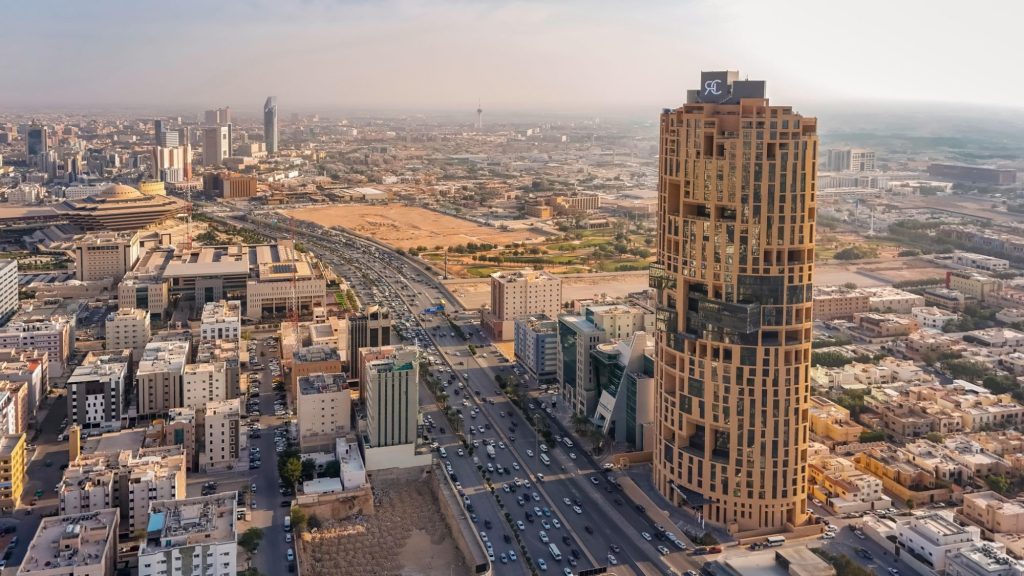
The group’s newer Riyadh properties show how the opportunity has widened. Radisson Hotel and Residence Riyadh Olaya opened in 2024. In January 2025, the 310-room Al Minhal property transitioned to become Radisson Blu Hotel & Convention Center, Riyadh Minhal. Radisson Blu Hotel Riyadh Al Sahafa followed later in 2025, and Radisson Collection Residences Riyadh opened in 2026. Together they reflect a capital city serving business travel, extended stays, premium residences and a new rhythm of urban life.
Saudi leaders in every hotel
The defining asset in Talal’s version of Saudi hospitality is the person trusted to lead it. Property growth can outrun the supply of general managers, department heads and specialists who understand the market, the owner and the guest. Imported experience can fill a vacancy. A national industry needs Saudi leaders capable of reproducing excellence across regions and brands.
“I always take attitude as the starting point. People focus so much on the skill set, background and studies. For me, what is the attitude?”
“If someone is hungry for growth and has the right attitude, they will make it. The other tools are our job to provide,” Talal says. Radisson has developed 15 general managers internally, including five Saudi GMs. He says Saudization across the group’s Kingdom operations rose from 13 percent in 2013 to 43 percent today.
That pipeline is widening. Radisson plans to hire 80 Saudis through a three-year program with HTMi Saudi Arabia that combines formal study with practical training in its hotels. Through the Ministry of Tourism’s Hospitality Ambassadors Program, the group has also committed 37 existing Saudi employees to two-month placements at Radisson hotels around the world during 2026 and 2027.
The numbers matter because the national opportunity is now measured in more than one million jobs. The more important test is authority. Saudi employees must be prepared to make decisions, manage owners, carry profit-and-loss responsibility and train the people behind them. A hospitality career becomes transformational when it provides a route to the top of the property, not simply a place on its payroll.
Talal’s clearest example is Maram Kokandi, whom he first noticed in guest relations at a Jeddah hotel. In 2017, Radisson appointed her pre-opening general manager of Park Inn by Radisson Jeddah Madinah Road. Talal says he joined her early owner and department meetings until she had the confidence and judgment to lead them alone. Kokandi became the first Saudi woman to serve as a hotel general manager in the Kingdom. She left Radisson in 2022 to join another hotel group.
Hospitality for the whole Kingdom
Saudi tourism reaches its full national value when more families can experience more of their own country and international visitors can move beyond a single stop. Talal’s sharpest prescription is therefore about access. He begins with roads, airports, restaurants, clean facilities and enough well-priced rooms in the places people want to visit.
“It has to be affordable. That is the key.”
Luxury has helped Saudi Arabia establish new destinations at the highest end of the global market. The next measure of maturity is breadth. Four-star, full-service and midmarket hotels allow a Saudi family to extend a journey, add a second region or return more often. They also give international travelers more ways to discover the Kingdom rather than treating it as a once-only experience.
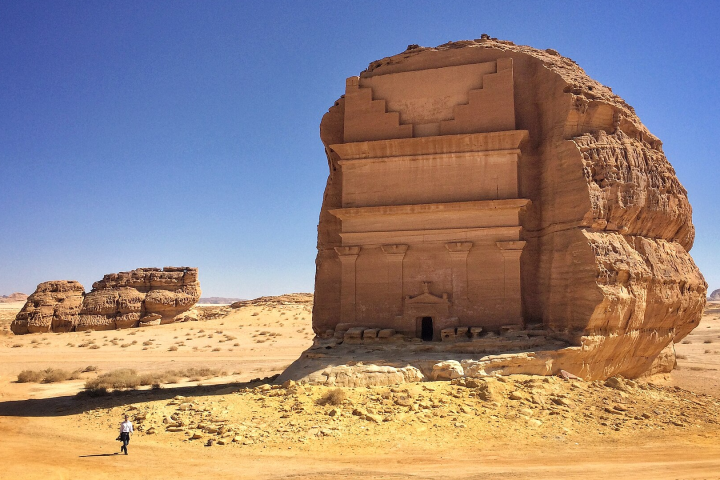
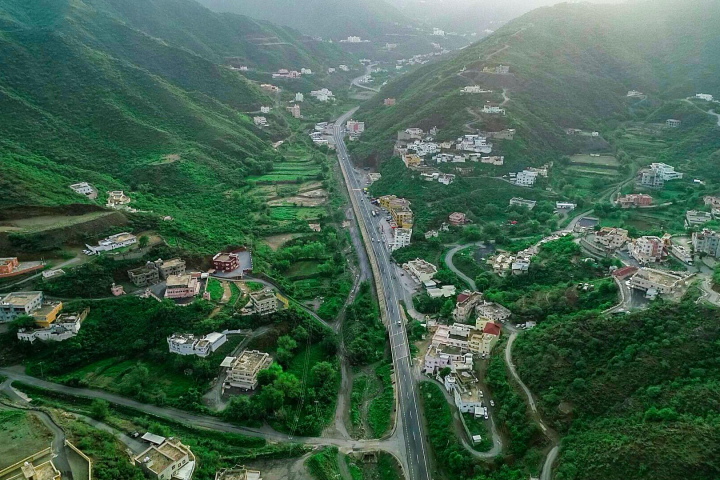
The regional opportunity is immense. AlUla, Al Ahsa, Abha and the southern regions offer cultural depth, landscapes and living traditions that no imported destination can replicate. Infrastructure will determine how widely that value is shared. The ambition is not simply to bring the world to Saudi Arabia. It is to help people encounter more of Saudi Arabia once they are here.
Talal also protects the meaning of pilgrimage. “I do not like to call it religious tourism. It is spiritual.” Hajj and Umrah carry a purpose beyond leisure. The wider tourism economy can grow alongside that sacred responsibility, presenting a Kingdom whose welcome is rooted in faith, generosity and centuries of movement across its land.
A Saudi promise the world can recognize
Growth places pressure on consistency. Talal returns repeatedly to the promise carried by the brand name. “If a guest is entering a Radisson in New York, London or Dubai, it has to be the same thing in Riyadh or Cairo.” The standard must travel, but the experience cannot feel detached from its place. Saudi hospitality brings its own language of generosity, family, privacy, food, faith and welcome. The strongest international operator translates those values into the product instead of smoothing them away.
That balance may become one of the Kingdom’s great competitive advantages. Global guests want confidence in the room and service they have purchased. They also want to know where they have arrived. Saudi Arabia can offer both: international discipline and an identity strong enough to remain unmistakable.
The next hotel and the next generation
Talal still carries an architect’s unfinished project. “My dream is that we open a green hotel in Riyadh.” He does not imagine sustainability as a label applied after construction. A serious green hotel, he says, must be designed from the beginning with an owner prepared to judge the investment over time.
Radisson launched its first Verified Net Zero hotels in 2025. Bringing that benchmark to Riyadh would fit a country that has repeatedly used ambition to accelerate standards. It would also test whether rapid growth can preserve resources, improve operating economics and create a property worthy of the city’s future.
Talal says achievement, rather than title, has kept him moving for three decades. “What keeps me driving is achievement. If I see achievement and improvement, that keeps me driving.” When he needs distance from the opening cycle, he spends about 20 days alone in Madinah. The retreat gives him more than any resort could, he says. It returns hospitality to its oldest Saudi meaning: refuge, service and the dignity of receiving another person well.
More than two decades after arriving in Jeddah to convert a single hotel, Talal is still thinking about the next opening. Each property matters because of what remains after the ribbon is cut: a stronger team, a Saudi leader ready to run it and a market prepared to expect more.
That progression defines his legacy. A man who came to open a hotel now watches a new generation open the Kingdom to the world. Saudi hospitality no longer needs to ask for attention. It is giving the world a reason to return.