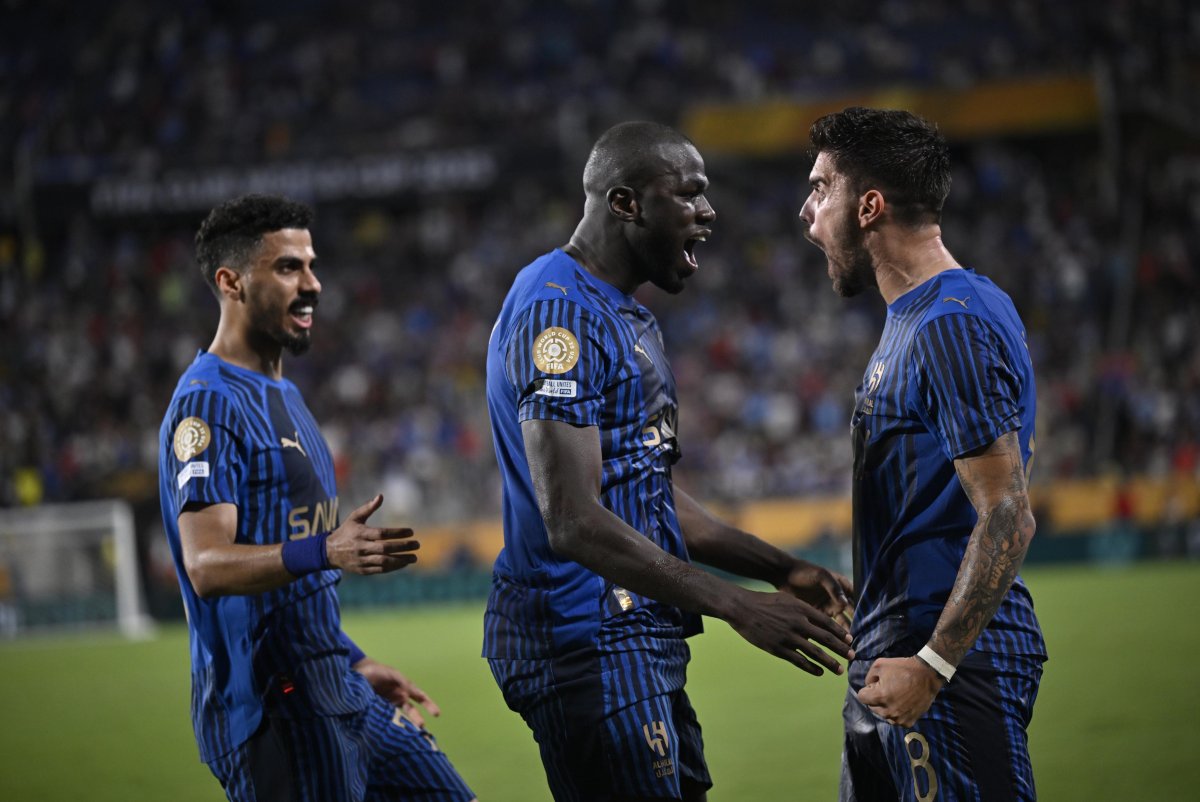
Al Hilal’s remarkable run at the 2025 FIFA Club World Cup gave that transformation an additional boost. The Riyadh-based club stunned Manchester City 4-3 after extra time, advancing to the quarter-finals in one of the most memorable results in Saudi football history.
The significance of that achievement extended well beyond the pitch. Al Hilal’s performance placed the Saudi Pro League under an even brighter international spotlight and demonstrated that investment in players, infrastructure and professional management can produce teams capable of competing with some of the biggest clubs in world football.
Al Hilal Changes the Global Perception of Saudi Football
Al Hilal’s victory over Manchester City represented an important moment in the way Saudi football is perceived internationally.
This was not simply another high-profile fixture. Al Hilal faced a European heavyweight with one of the strongest sporting systems in the world and came away with a dramatic 4-3 victory after extra time.
Marcos Leonardo scored the decisive goal in the 112th minute, sending Al Hilal into the quarter-finals and producing what Reuters described as one of the tournament’s biggest upsets.
The match also attracted enormous attention inside Saudi Arabia. FIFA reported that the game generated a 77.8 percent television audience share in the Kingdom at the time of broadcast.
For investors, numbers like these matter. They demonstrate the strength of Saudi clubs’ fan bases and their growing commercial potential.
Foreign Investment Is No Longer a Distant Idea
One of the clearest signs of change came when foreign ownership entered the Saudi Pro League in practice.
In 2025, Al Kholood became the first foreign-owned club in the Roshn Saudi League following its acquisition by the US-based Harburg Group. The Saudi Pro League described the move as a historic milestone in the Kingdom’s evolving football ownership landscape.
The deal demonstrated that Saudi clubs can attract international investors looking beyond the traditional value of football teams and toward opportunities in sponsorship, media, content, commercial partnerships, talent development and infrastructure.
But perhaps the most significant development has come through the transformation of ownership at one of Saudi Arabia’s biggest clubs.
Al Hilal Deal Signals a New Investment Model
In April 2026, Kingdom Holding Company signed a binding agreement with the Public Investment Fund to acquire a 70 percent stake in Al Hilal Club Company.
The transaction was valued at SAR 840 million for the 70 percent stake, based on an equity valuation of SAR 1.2 billion for the entire company and an implied enterprise value of approximately SAR 1.4 billion.
The deal is significant because it represents a move toward a broader private-capital model in Saudi football.
According to PIF, the transaction aligns with its strategy of maximizing returns and recycling capital within the Saudi economy. Kingdom Holding, meanwhile, plans to support Al Hilal in improving its commercial performance, expanding international partnerships and developing world-class sports infrastructure.
Al Hilal Club Company’s main operating revenues reached SAR 842 million in the financial year ending June 2025, up from SAR 659 million in 2024 and SAR 413 million in 2023. The figures highlight the club’s rapid commercial growth.
From Signing Stars to Building Sports Assets
The evolution of Saudi football is increasingly about more than attracting global stars.
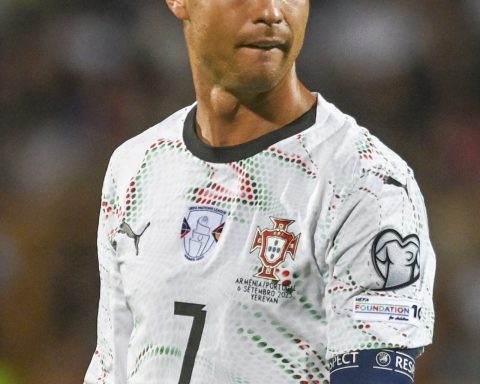
For years, the Saudi Pro League attracted international attention through headline signings involving players such as Cristiano Ronaldo, Karim Benzema, Neymar and Riyad Mahrez. Those moves played an important role in raising the league’s global profile.
The next phase, however, appears to be focused on sustainability, governance and commercial growth.
In May 2026, the Saudi Pro League launched the second phase of its Player Acquisition Center of Excellence program, introducing a new funding allocation model based on four criteria: equal distribution at 22 percent, sporting performance at 22 percent, television viewership at 28 percent and commercial performance at 28 percent.
The model reflects an effort to connect funding more closely to the value and performance generated by each club rather than simply the amount spent on players.
Ownership Reforms Strengthen Investment Appeal
In August 2026, Saudi Arabia’s Ministry of Sport began transferring the remaining 25 percent stakes in Al Hilal, Al Nassr, Al Ittihad and Al Ahli to the Public Investment Fund after completing the required regulatory procedures. The boards of the clubs’ nonprofit entities were also dissolved.
The move forms part of the second phase of the Kingdom’s Sports Clubs Investment and Privatization Project, which aims to create an ownership model capable of improving investment appeal, strengthening governance and supporting the clubs’ long-term growth and sustainability.
Ownership structure has therefore become a central part of the transformation of Saudi football rather than simply an administrative matter.
Why Is the Saudi Pro League Attracting Investors?
Several factors are making Saudi football increasingly attractive to investors.
The first is the size and strength of the domestic fan base, which gives clubs significant commercial and marketing potential. The second is the league’s growing international profile, supported by wider global broadcasting and the arrival of internationally recognized players.
Major international competitions have added another dimension by allowing Saudi clubs to test themselves in front of global audiences.
At the same time, Saudi Vision 2030 provides a broader framework for developing sports as a contributor to economic diversification and a source of new investment opportunities.
Investors Are Looking Beyond the Football Pitch
For international investors, the value of a football club is no longer limited to what happens during 90 minutes.
A modern sports club can generate revenue through broadcasting rights, sponsorships, merchandise, ticketing, digital content, entertainment, academies, talent development and sports infrastructure.
That is what makes the growing involvement of investors in Saudi football particularly significant: the opportunity is increasingly about building professionally managed sports businesses rather than simply owning football teams.
Al Hilal offers a clear example. PIF said its transformation efforts since 2023 have included improvements in governance, infrastructure, facilities and operational performance, accompanied by growth in the club’s commercial value and revenues from sponsorships, merchandise and matchday activities.
A New Framework for Foreign Investment
Opening the door to foreign capital does not mean removing regulation.
According to a recent PwC analysis of Saudi sports law, foreign partners and shareholders are permitted to participate in club and league companies, including through direct equity ownership or partnerships with local entities. Foreign ownership remains subject to limits determined by the Ministry of Sport in coordination with the relevant investment authorities, while acquisitions and disposals are subject to regulatory oversight.
The framework therefore seeks to balance international investment and expertise with regulatory oversight and the long-term stability of the sports sector.
From Al Hilal to the Saudi Pro League
If Al Hilal’s Club World Cup performance demonstrated what a Saudi club can achieve on the pitch, the latest ownership and investment developments point to what Saudi football could become off it.
The victory over Manchester City was not simply a sporting headline. It demonstrated that investment in Saudi football is beginning to generate sporting value that can resonate with a global audience.
At the same time, ownership deals, governance reforms and new funding mechanisms are creating the commercial foundations needed to turn clubs into sustainable sports assets.
As domestic and international investors become increasingly involved, Saudi football appears to be entering a new phase, one in which the biggest question may no longer be which global star will arrive next, but which investor sees the opportunity to help build the next global sports brand from Saudi Arabia.